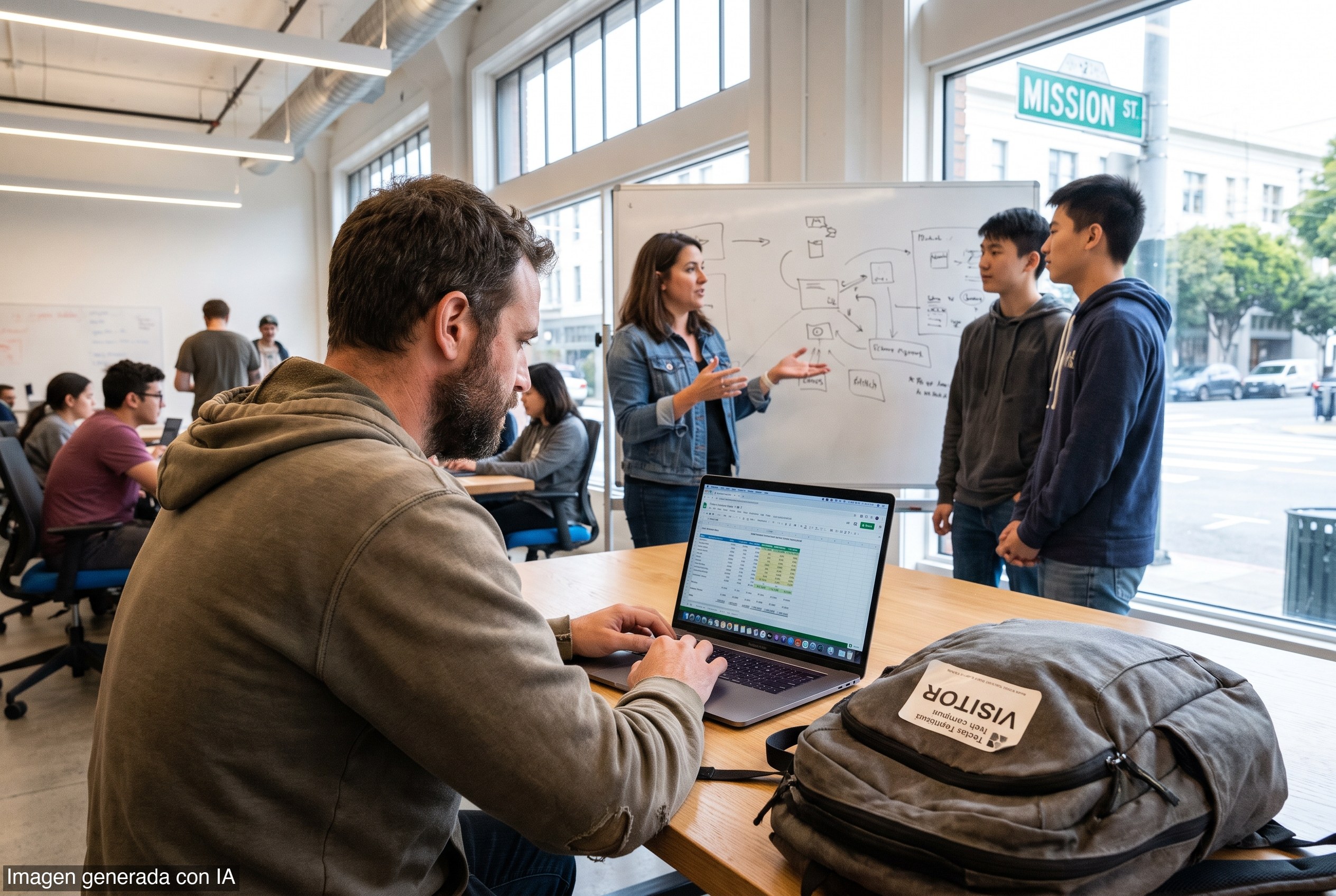
How Big Tech stock compensation can lock workers in — and help them fund a startup exit
Stock grants at Google, Apple, Amazon, Microsoft and Meta have long kept workers in place, but layoffs and the AI boom are weakening that grip. For some founders, vested equity is now the runway that makes a risky leap possible.

AI agents are useful, but the real cost is handing over your accounts
Meta, Google, and startups are pushing personal AI agents into daily life, but the tools only work if you give them access to email, contacts, and credit cards. The payoff is convenience; the risk is letting software act with too much authority.

How a founder turned a business partnership into a scaling system
A Hamptons events founder says her partner helped turn scattered relationships into a repeatable operating model. The payoff was clearer responsibilities, better follow-through, and a broader service mix without rebuilding every project from scratch.
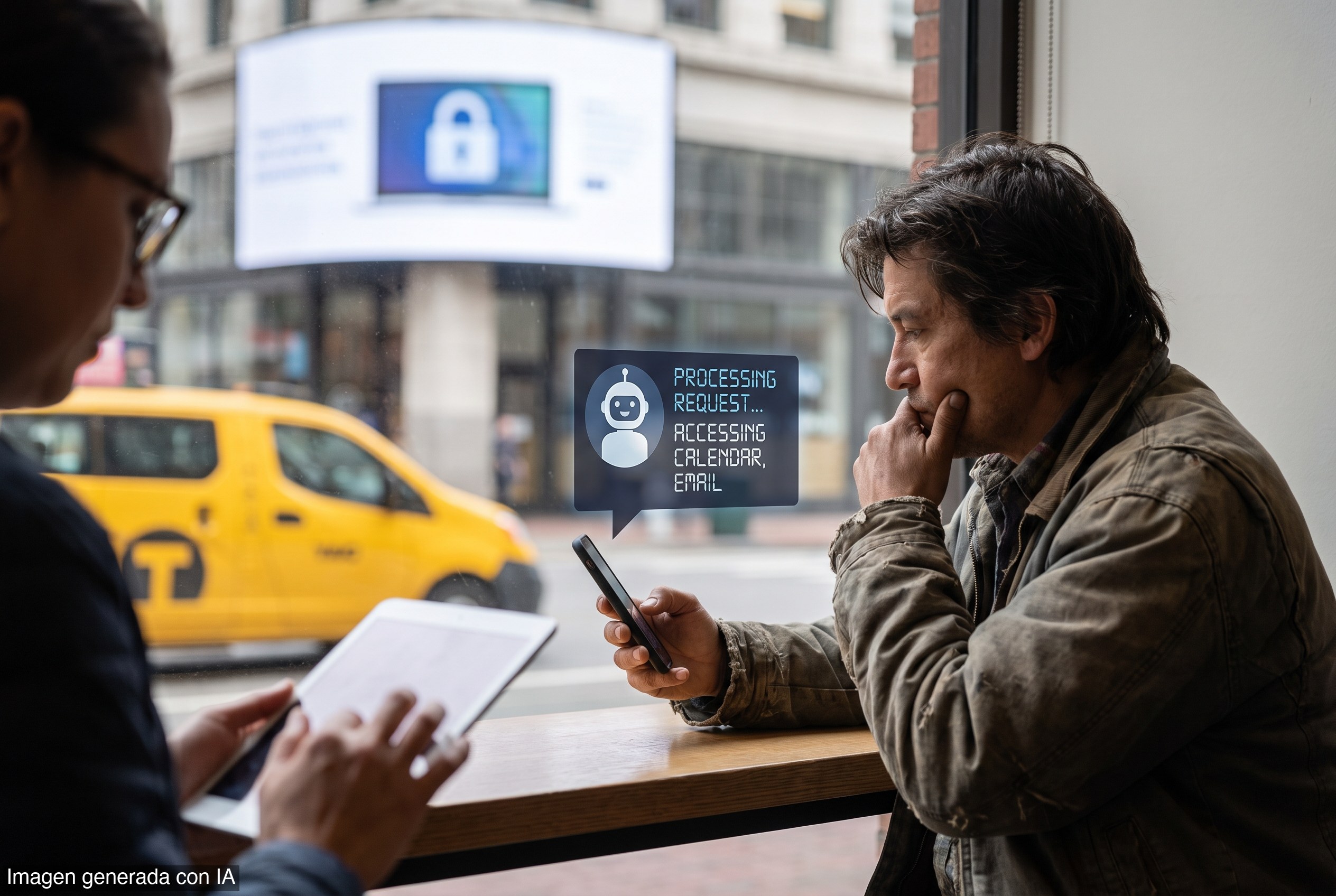
Personal AI agents are moving fast. So are the privacy and money risks.
Meta's Muse hit the top of Apple's App Store, and startups like Instinct are seeing surge interest. The pitch is convenience, but these agents can access emails, texts, calendars, bank accounts, and more.

How televangelists turn donations into a tax-exempt lifestyle
A former insider says some high-profile ministries pair faith, fundraising, and luxury spending in a way that has drawn Senate scrutiny and an IRS search warrant. The money question is what donors get back when the brand sells miracles.

Codie Sanchez’s 3 meeting rules show how founders can protect time and output
The entrepreneur says meetings should be smaller, shorter, and tied to real work. Her playbook is built around efficiency, decision-making, and protecting deep-focus hours.
How Allure's editor in chief runs a packed career with Post-its and side hustles
Jessica Cruel says her day mixes magazine decisions, founder meetings, teaching at NYU, rental properties, and book edits. Her system relies on short to-do lists, early mornings, and a commute that starts the workday before Manhattan.
Founder arrested after allegedly using VC money for a house and Caribbean wedding
Shiloh Luckey was arrested in Florida and charged with multiple fraud counts after prosecutors said she misled investors and used startup funds for personal expenses. The case is another reminder that venture capital works only when trust is backed by real financial controls.
Maye Musk’s memoir says aging can still expand your career after 50
In 'Timeless,' Maye Musk frames late-life reinvention as an asset, not a liability. Her story lands on a simple lesson for founders and workers alike: the market can still reward experience, discipline, and a stronger personal brand after 50.
Why some tech founders think cigarettes still help close deals
In a culture obsessed with optimization, a small slice of Silicon Valley says smoking can lower the guard, build rapport and turn a pitch into a relationship. The tradeoff is obvious: whatever social edge it gives founders comes with a public-health cost.
How Maye Musk kept Zip2’s founders focused when the startup fights got personal
Maye Musk says she mediated Elon and Kimbal Musk’s disagreements during Zip2’s early days, backed the company with her savings, and handled the domestic work that kept the operation moving.
How one AI founder is using agents to keep headcount small
Ivan Burazin says managing AI agents looks a lot like managing people, and that founders who know how to set clear inputs and outputs get better results. At Daytona, 16 engineers each run an average of five agents, and no one writes code anymore.
Nuance raises $50 million to build AI that sounds less awkward
The former Apple researchers behind Nuance are betting that one model, not three stitched together, can cut latency and make AI conversations feel more human. The startup is using the money to hire, refine pricing, and prepare a public research preview later this year.
From food stamps to a $47.5 million exit: the run-up that built one founder’s family wealth
Ashley Tyrner-Dolce says she moved from briefly relying on food stamps to selling FarmboxRx for $47.5 million. She used part of that exit to create a trust for her 15-year-old daughter, who owned 30% of the shares tied to the sale.
A remote founder’s Thailand move lasted 8 months after a visa mistake
Braydon Barrett moved his family from Utah to Thailand to run his online fitness coaching business remotely, then came back after a visa error and a stressful string of relocations. The lesson: if your business depends on global flexibility, the paperwork can decide the runway.
Legora is building the legal data stack to challenge LexisNexis and Westlaw
The legal AI startup is expanding its own law library to cut hallucinations, improve product quality, and make a run at the research duopoly. If it works, firms may get better tools without giving up trusted legal data.
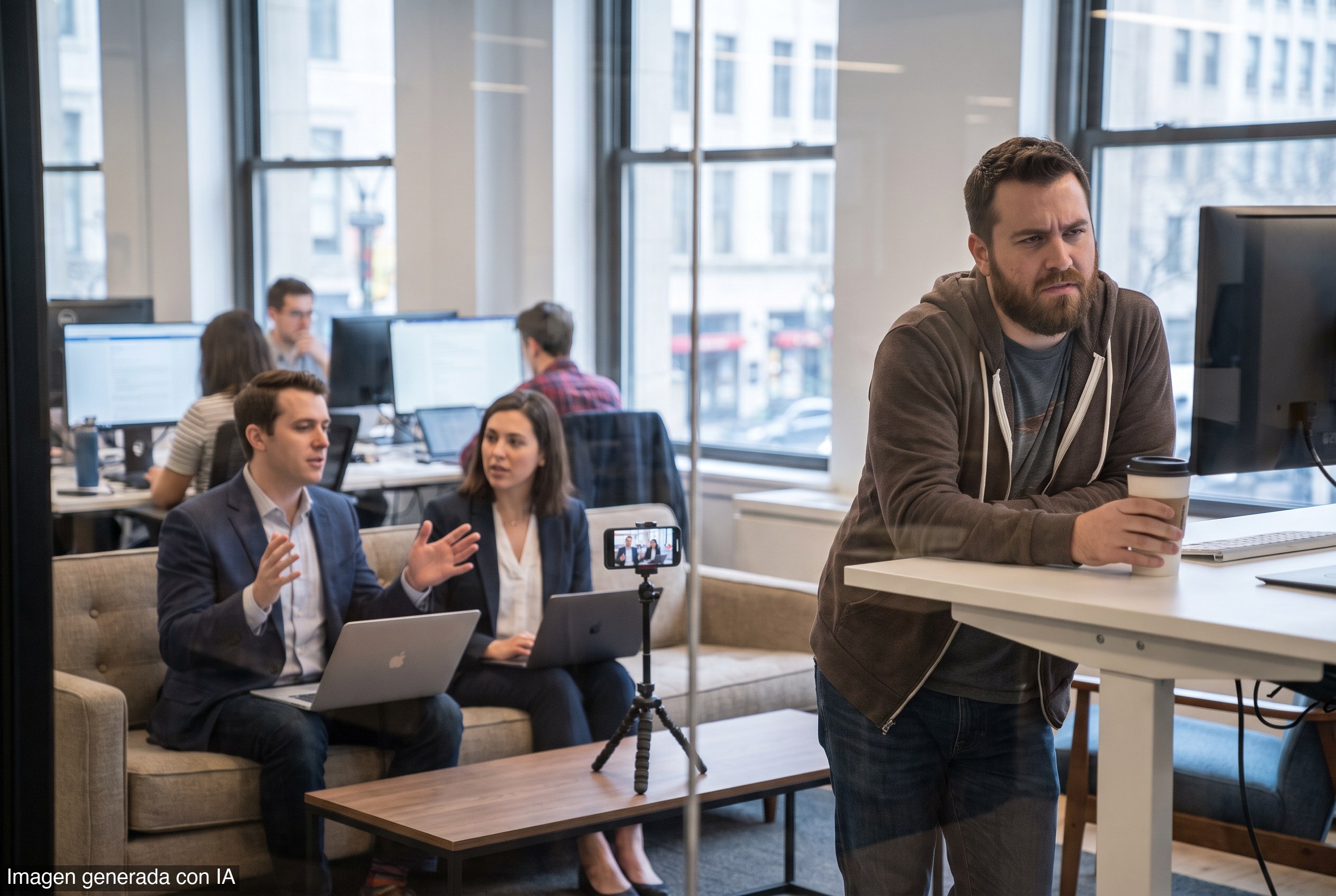
Why startup founders are calling out 'LARPing' and what it reveals about the AI boom
In startup land, 'LARP' has become shorthand for founders who perform the job more than they do it. The rise of founder-influencers, plus a hot AI market, is making the label stick.

How Yuka's CEO protects time, focus, and 80% of her inbox
Julie Chapon says a lighter calendar, two-hour lunches, and a hard 'no' to most emails help her run Yuka without getting buried by work. Her routine shows how founders can defend attention as the company scales.

How a nonprofit founder quietly hired Caroline Ellison and why the backlash is so sharp
Austin Chen said he secretly gave Caroline Ellison a job at Manifund, where she will help develop the platform and research how to direct philanthropic dollars. The move is already drawing praise from some and fury from FTX victims who say her past should still carry a cost.

Mark Spitznagel’s playbook: hedge the downside, then take bigger bets
The Universa Investments founder says avoiding disaster matters, but so does taking enough risk to move forward. His advice stretches from portfolio sizing to AI, judgment, and even why his goat farm tops yachts and planes.
Jeff Dean's new AI startup is chasing a $50 billion valuation
Discovery Loop is raising again just weeks after its last round, underscoring how quickly top AI founders can tap investor demand. The company is still early, but the capital chase is already moving in billion-dollar increments.
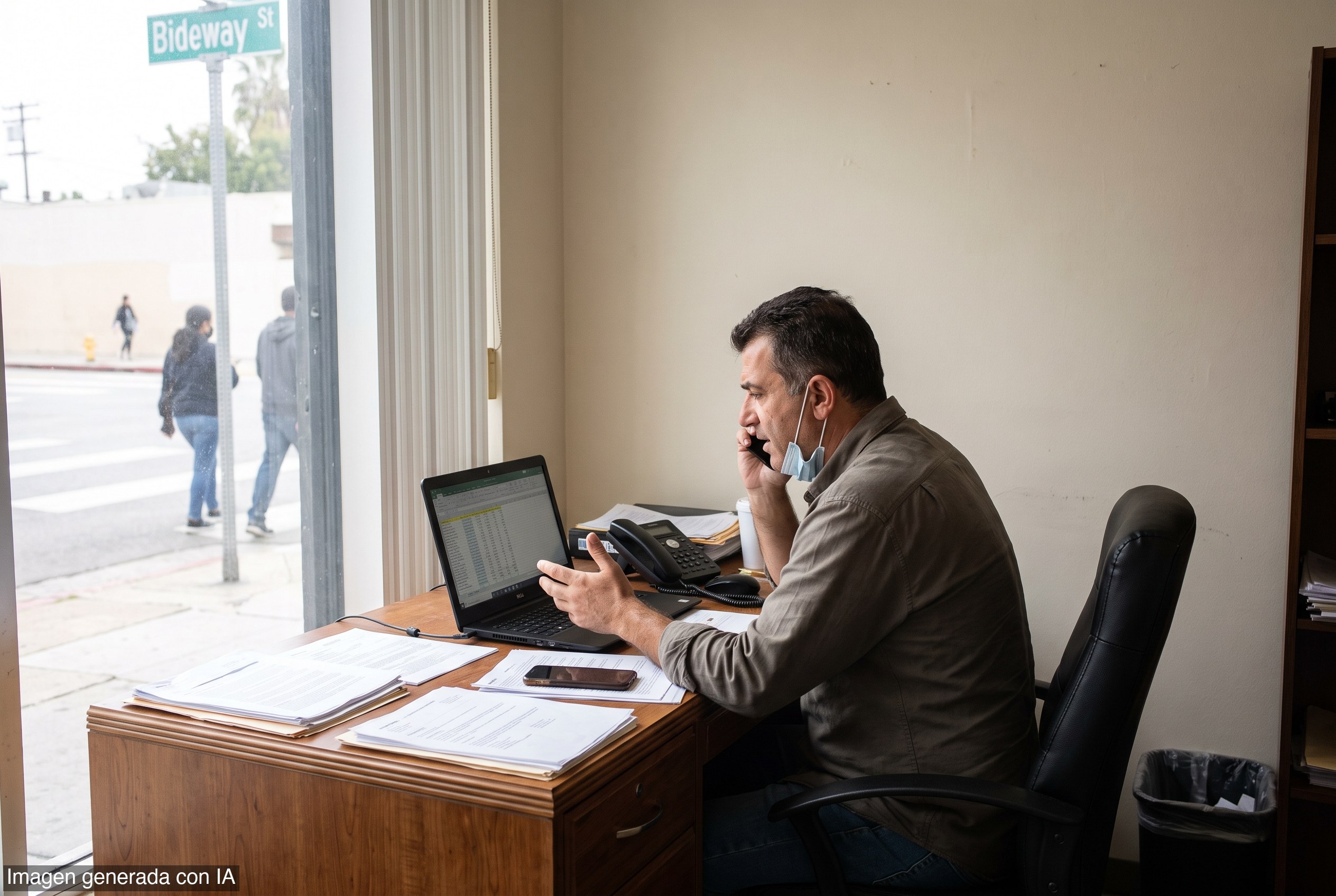
How one founder erased $500,000 in debt in under 2 years
Christos Garkinos says he went from $500,000 in debt to debt-free by September 2021 after getting sober and leaning back into selling. His story is a reminder that cash flow discipline can rebuild runway even after years of self-sabotage.

The Ripple Billionaire Funding SF's Crime Cameras Can't Convince His Own Son
Chris Larsen donated $9.4 million to San Francisco's surveillance hub — and his 19-year-old says he'd rather have the crime. Here's where the Flock backlash stands.
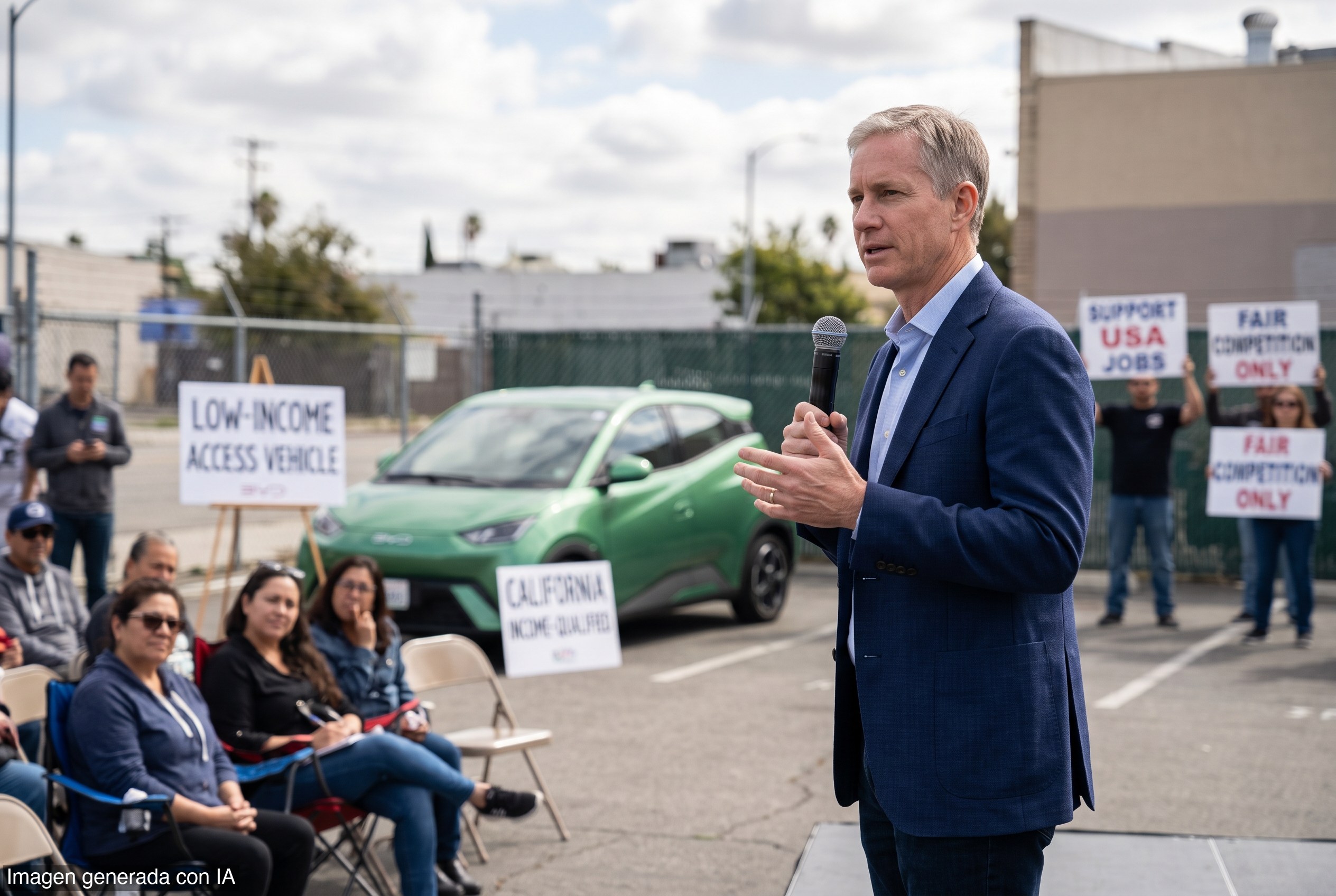
Ripple's Larsen Wants Chinese EVs in California — But Only for Low-Income Buyers
The Ripple cofounder says a $10,000 BYD Seagull should be income-qualified legal in California. The auto industry disagrees — loudly.

153 Million Driver's Licenses May Be for Sale on the Dark Web. Here's the Vendor-Risk Lesson for Founders
The FBI is investigating a claimed breach tied to an identity-verification vendor used by retailers, dispensaries, and finance firms — a reminder that outsourcing KYC doesn't outsource your liability.

American Airlines Is Betting on Premium: 40% of Seats Will Be First Class or Extra Legroom by the Early 2030s
The carrier is reversing its no-seatback-screen policy and doubling down on higher-margin cabins — a classic revenue-per-seat play every founder should recognize.
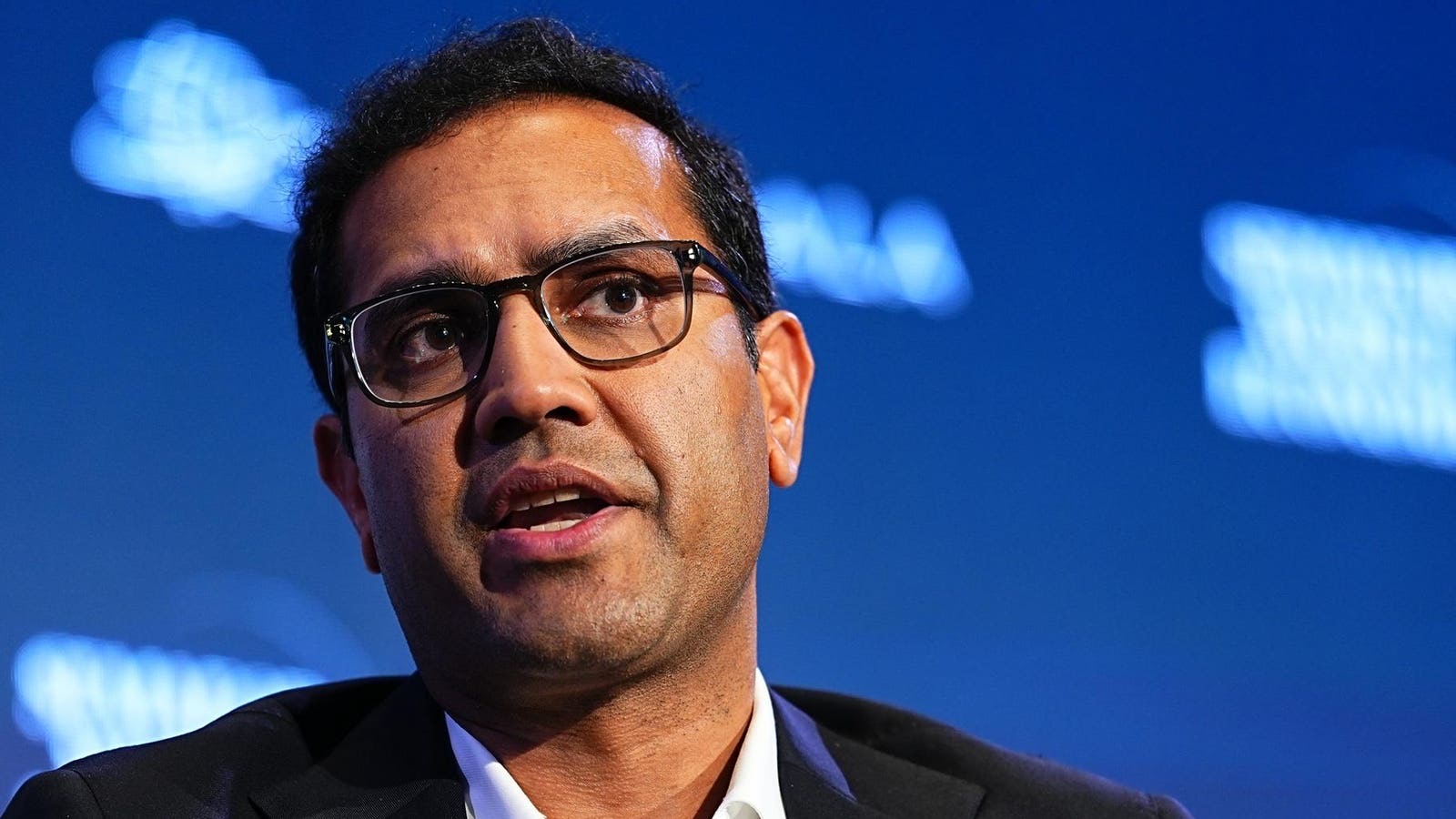
Better.com Sues Its Own Founder After Board Ousts Him for $1.5B in Losses and a 90% Stock Collapse
Vishal Garg built a mortgage unicorn backed by SoftBank and Goldman Sachs — then allegedly ran a shadow campaign to take it back after the board fired him. Here's what founders can learn from the wreckage.
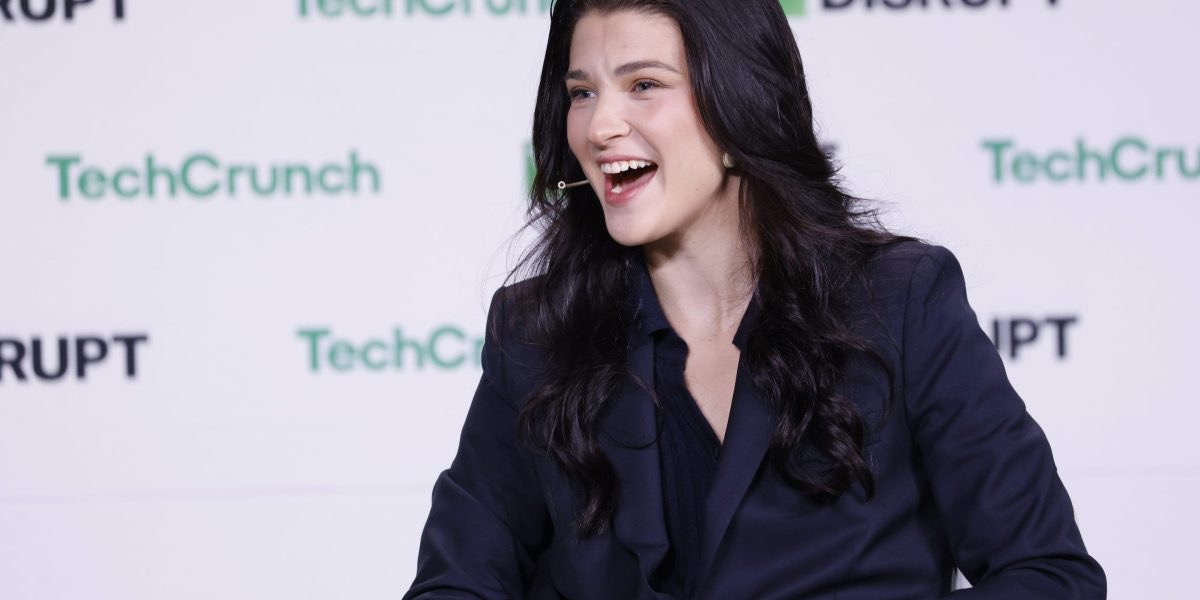
Phia's Founders Knew About Cookie-Stuffing for at Least 7 Months — Then Called It a Bug
Internal Slack messages and source code reviewed by Bloomberg show Phoebe Gates and Sophia Kianni were aware of features that falsely claimed credit for sales they didn't drive — months before the company said it found out.

Ford's $28,350 Fathom Is the Affordable Electric Truck Founders Actually Want to Drive
Built in Louisville on a brand-new platform, the Fathom targets the $30,000 price point with five seats, bidirectional power, and hands-free highway driving — no government subsidy math required.
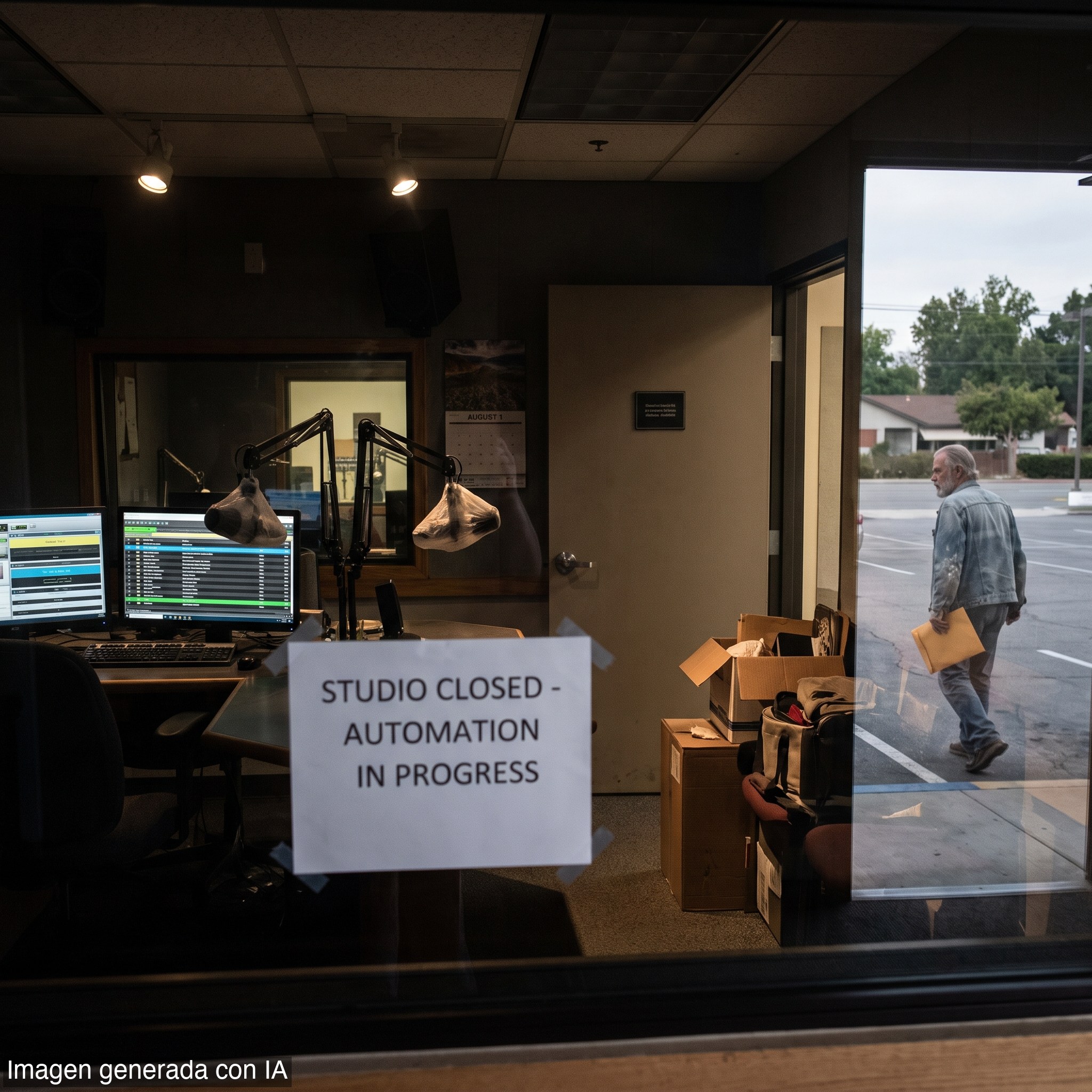
KCAL 96.7 Fires Its Entire On-Air Staff — Here's What Automation Just Cost 12+ Radio Careers
The Inland Empire's legendary classic rock station flipped to a DJ-less, fully automated format on August 1, ending careers that spanned up to 42 years. Founders, take note: this is what 'efficiency over headcount' looks like at scale.
Crypto CEO Allegedly Stole $5M, Deleted 194 Records, Then Quit — Here's What Founders Must Learn
The Bitquery lawsuit is a masterclass in what happens when a single founder holds unchecked control over company accounts. Build the guardrails before you need them.

Clear Packaging Recycles Better — Here's What Founders in CPG Need to Know
Recycling specialists agree: transparent plastic lids and containers recover faster and at higher quality than colored ones. If you're building a product brand, your packaging choice is a supply-chain decision, not just a design one.