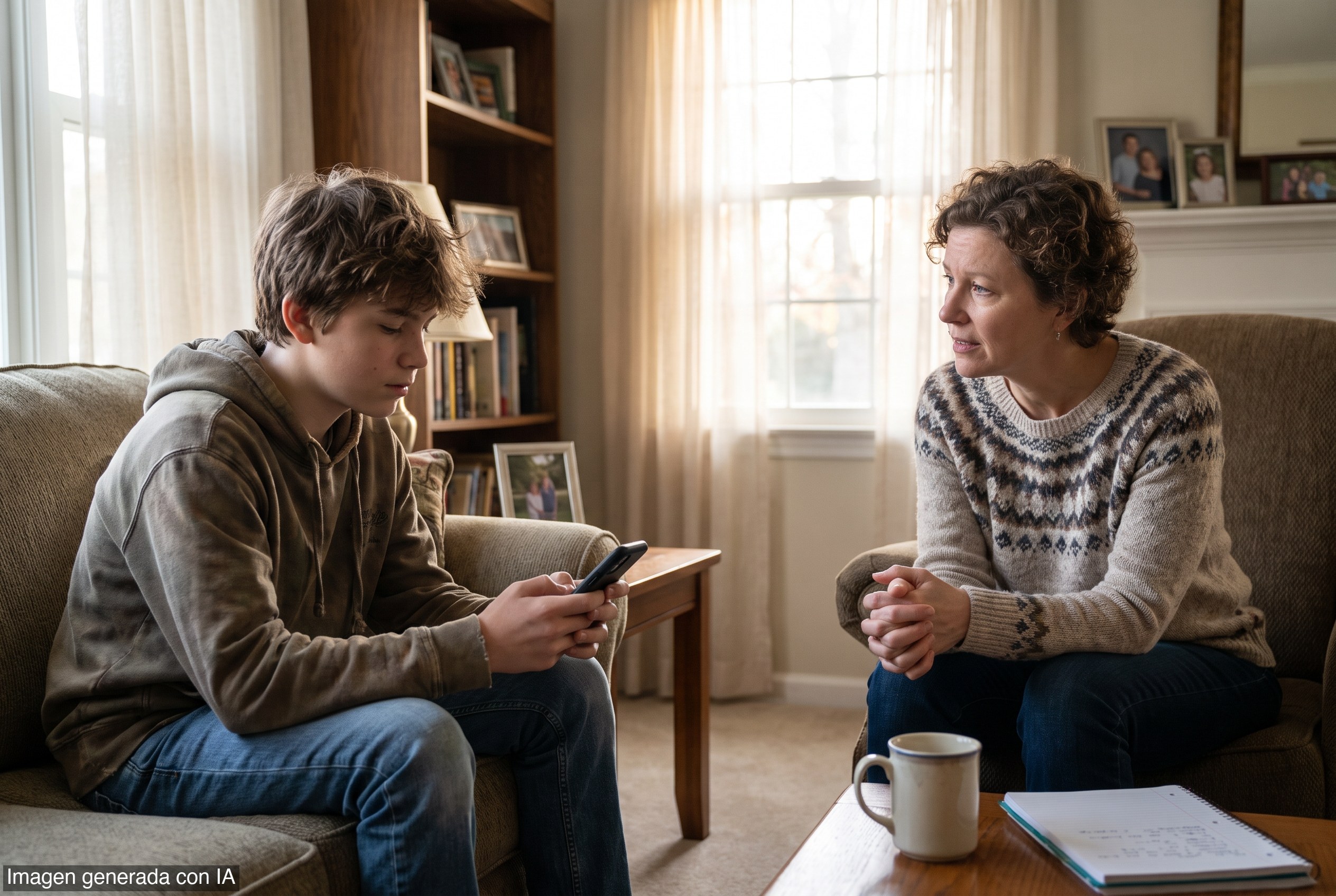
A mother writing for Business Insider says her 13-year-old son refused to share his location with her, and the argument changed how she thinks about parenting.
She says she does not consider herself overprotective. She lets her kids stay home alone for short periods starting around age 10, and she allowed them to wander the neighborhood alone starting at 11 or 12. She also says she does not heavily monitor their social lives or phone usage.
When her youngest son turned 13, he began going out with friends on his own. Sometimes he would take a friend’s school bus home and hang out for a few hours. Other times he would walk to a friend’s house and around town. She supported that freedom because it reminded her of her own teenage years.
The tension came when she asked him to share his location on his phone. She says she saw it as normal, like checking grades on a school portal or asking for updates about his plans. But her son pushed back, saying he was responsible and would keep her informed, but did not want her tracking every movement.
That pushed her to reconsider what location sharing actually does. She says she understands the appeal of knowing where a child is, especially if a parent worries about not being able to reach them. But she also doubts that tracking really protects a child in any meaningful way if something goes wrong, since the phone may not be with them when it matters.
She also says she began to see a bigger issue: modern parenting can become overbearing without parents fully noticing it. In her view, if adults do not loosen their grip, children may reach adulthood without being ready to handle things on their own.
Her conclusion is not that technology is useless. She says GPS can still help in some situations, such as when a child is being picked up in an unfamiliar area. But for her family, the better answer is a compromise built on communication rather than surveillance.
That is the real lesson for founders and parents alike: systems work best when they create accountability without killing initiative. Kids, like employees, need room to build judgment. If every move is monitored, you may get compliance, but you do not get resilience.
The math is simple. Trust scales better than control. And the sooner parents stop treating independence like a risk to be managed from above, the sooner their kids learn to manage themselves.