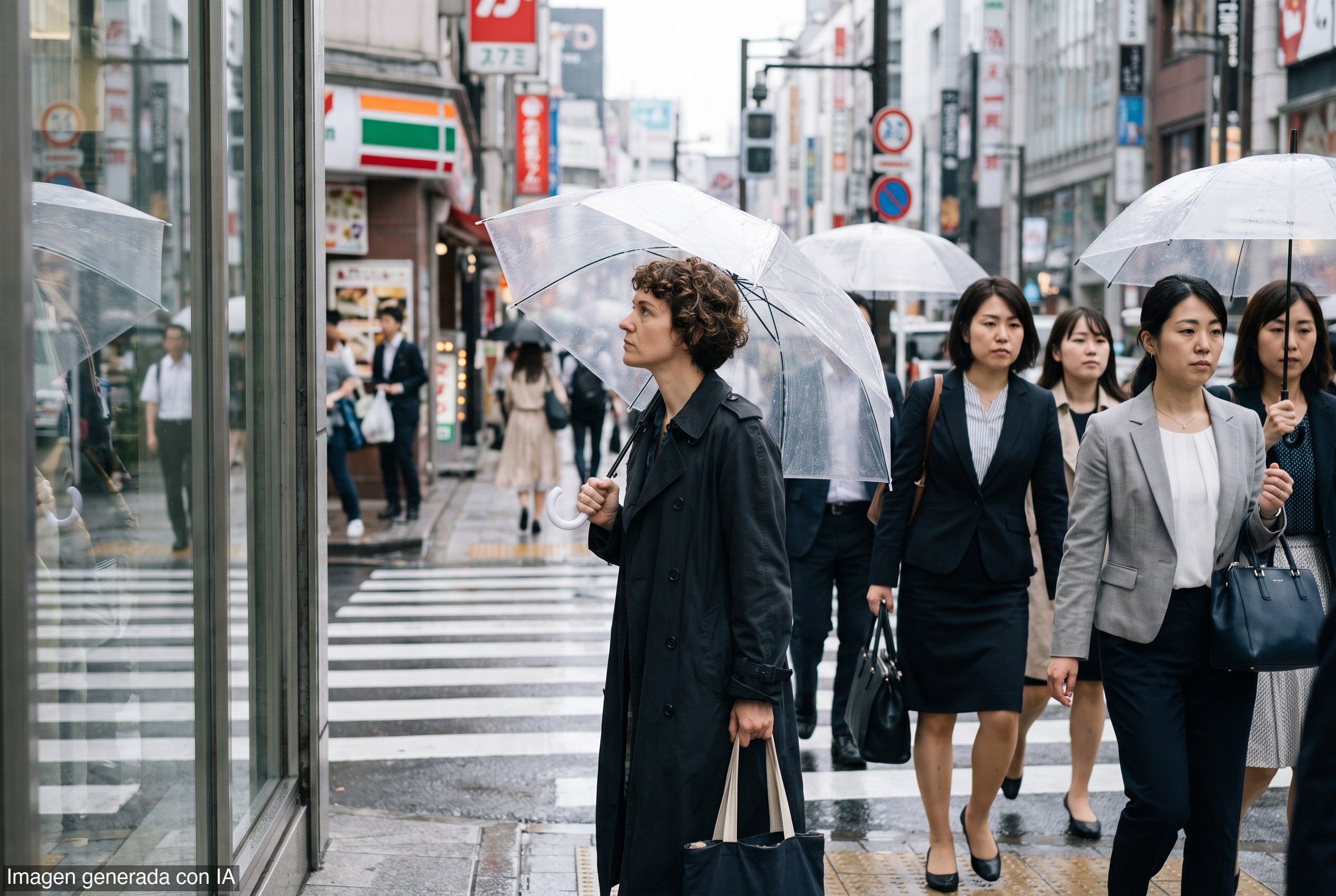
Moving to a new country can change more than your commute or your language. For Kerri King, three years in Japan changed how she thinks about her body, her clothes, and the way she presents herself in public.
Before the move, she said she was mostly content with how she looked and rarely cared what others thought. After living in Japan, she became more aware of being visibly non-Japanese and said that visibility made her hyper-aware of how she looked. She described feeling stared at and found herself scrutinizing parts of her body she had not thought about before.
One moment stayed with her. An older woman stared at her legs and scoffed as she walked past and shook her head. King said she later wondered whether the reaction was about her slightly unshaven legs or the large tattoo on her calf. She also noted that tattoos in Japan can carry a long-standing association with organized crime groups, and that many bathhouses, swimming pools, gyms, and other public facilities still restrict access for people with tattoos.
Shopping for clothes added another layer. King said she usually wears a US size 16 to 18, which in Japan puts her around a 3L or 4L, sizes she has mostly found only at select stores or through online retailers. She said mainstream clothing in Japan tends to cater to smaller proportions, leaving fewer options for bodies like hers.
That mismatch matters. Repeatedly trying on clothes that do not fit the way you expect can turn into self-loathing. Instead of seeing the problem as a design issue, she said she found herself questioning her body.
King also said Japan’s beauty culture pulled her in a different direction. She noticed the number of skincare and makeup products in stores and the stream of 'J-beauty' hauls and 'must-try' products on Instagram. She began dressing more carefully, wearing makeup more often, and collecting viral Japanese beauty products.
For founders and operators, this is a reminder that consumer behavior is shaped by environment as much as preference. New norms change what people buy, how often they buy it, and what they feel they need to buy to fit in.
That has real business implications. When social pressure rises, spending on beauty, apparel, and accessories can follow. When product lines ignore the customer in front of them, shoppers notice quickly. Founders who get this right move faster, because they sell to the body and the identity people actually have, not the one a market stereotype assumes.