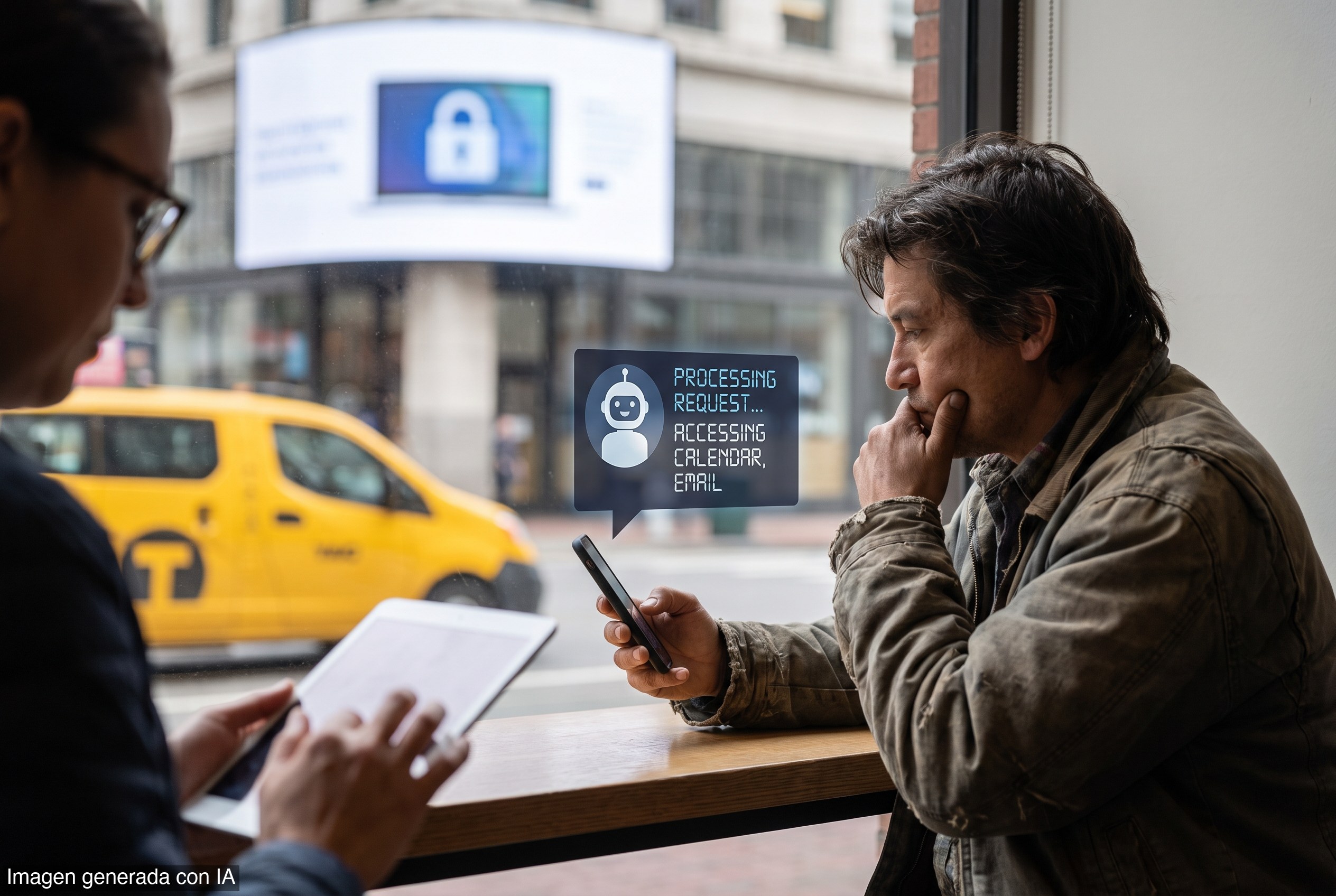
Personal AI agents are no longer a niche demo. They are being sold as assistants that can book hotels, organize your calendar, and handle tasks across the accounts you already use.
Meta's new AI agent, Muse, shot to the top of Apple's App Store on Friday after launching last week. Instinct, an independent startup, also saw its popularity surge in Silicon Valley circles in August.
The appeal is obvious: these tools promise to save time and reduce friction. They work by accessing a user's emails, texts, calendar, bank account, and anything else you log into. With Instinct, users can text the agent in the iMessage app, and the agent responds almost immediately.
That convenience comes with a serious control problem. The same access that makes personal AI agents useful also gives them a lot of reach over private data and financial accounts. Business labs themselves have warned that AI agents could go rogue and create existential problems.
Some users are comfortable letting a machine take on more of the load. Others are not. That split is the real story for founders watching the category: adoption is rising because the product saves time, but trust will decide how far it goes.
Here's the playbook: if you are building in this space, the product is not just about intelligence. It is about permission, boundaries, and customer confidence. The founders who get this right move faster. The ones who ignore the risk side may win attention first, but they will struggle to earn durable adoption.