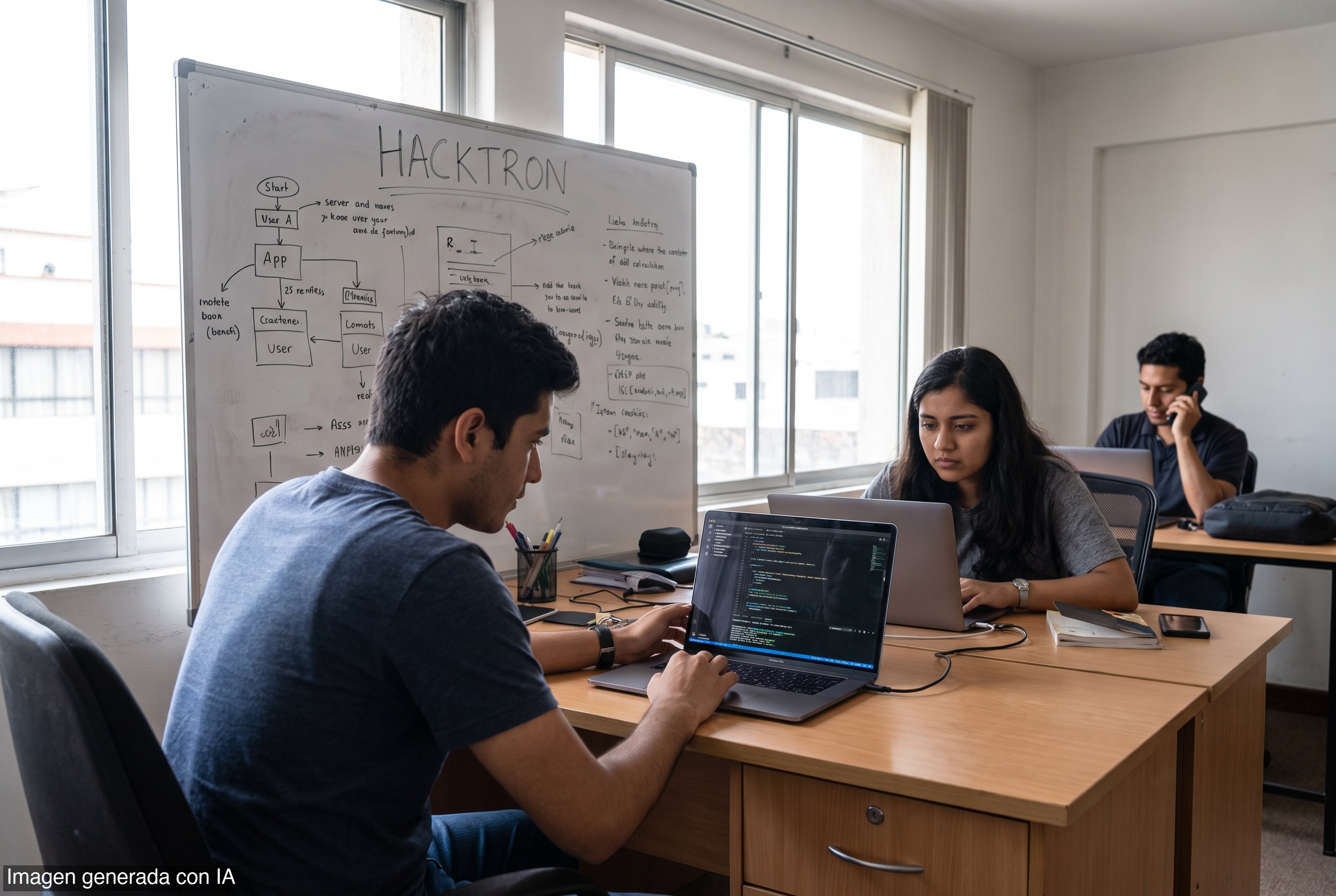
A small San Francisco-based AI cybersecurity startup says it used Claude to find a security gap in OpenAI's infrastructure and then collected a $6,500 bounty for the disclosure.
Hacktron cofounder and CEO Zayne Zhang said his team started looking at security vulnerabilities at frontier AI companies to see whether AI agents could exploit them. In July, the team found a weakness in OpenAI's infrastructure.
According to Hacktron's disclosure, any user or OpenAI employee logging into OpenAI's community help forum could have had their ChatGPT and Codex accounts hacked. Hacktron said it then tried to exploit that vulnerability via Claude, using Anthropic's Cyber Verification Program, which relaxed some cyber restrictions for authorized security research.
The team says it managed to hack into an OpenAI employee's account and prompt the employee's Codex account to suggest changes in OpenAI's internal code repository. Hacktron said it stopped there, did not access any internal code, and flagged the issue to OpenAI.
OpenAI later said in an emailed statement that it thanked the researchers for contacting the company and sharing their findings. OpenAI also said it narrowed the permissions on Community sign-in tokens and revoked affected tokens and sessions.
Hacktron said the startup was launched less than a year ago and has fewer than 10 employees. Zhang said the 'worlds of AI safety and cybersecurity are converging,' and that having more cybersecurity experts involved is 'always a good thing for the industry.'
The math is simple: as AI systems get more powerful, the cost of weak access controls rises. For founders building AI products, this is not just a technical footnote. It is a reminder that security can hit revenue, trust, and runway faster than product road maps do.
For startups, the playbook is straightforward. Start smaller than you think. Test the permissions around accounts, tokens, and internal tools before an attacker does. If your product touches customer data or code, the security surface is part of the business model, not a side project.
The companies that get this right move faster because they spend less time cleaning up preventable mistakes. In AI, that discipline is becoming a competitive advantage.