A doctor went in for his first routine colonoscopy at 45 and expected to be done by noon. Instead, tests found a few polyps, including one that measured 55 millimeters, and a biopsy later showed cancer.
The right portion of his colon was removed, and the family said the diagnosis changed how they think about food, screening, and prevention. The couple now plans to be more proactive with their children, who are 15 and 11, because a first-degree relative with colon cancer raises lifetime risk from about 4% to 5% to roughly 5% to 15%, and the source says their kids should be screened at 35.
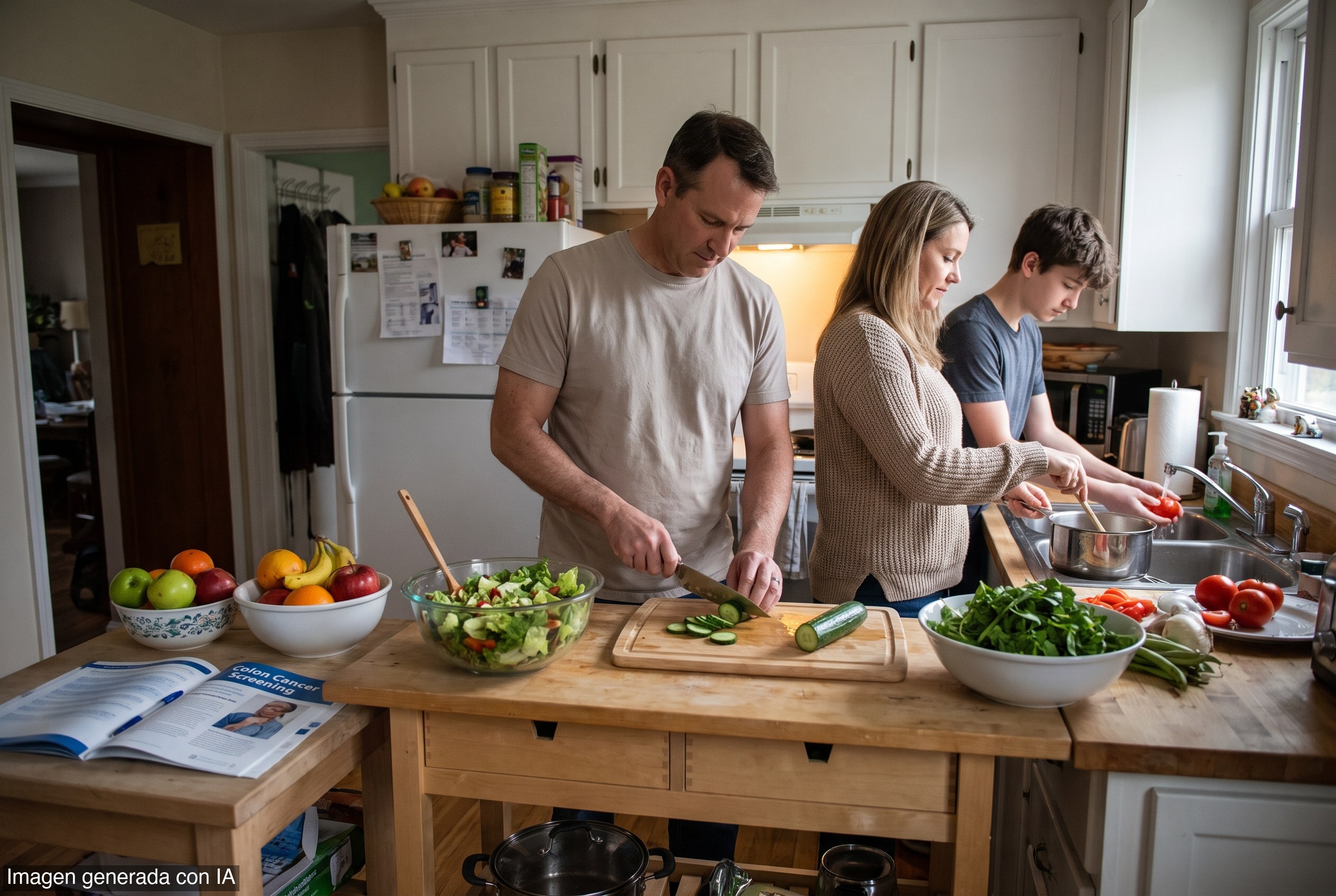
The food changes are straightforward. Processed meats will largely be eliminated from the home. Cold cuts have already been removed, except for sliced turkey from a local market that is prepared in-house without additives like sodium nitrites or nitrates. Red meat will be limited to once a week or less, with more salmon, chicken, and turkey taking the place of steak dinners.
Sugary drinks are already off the table at home, and that is not changing. The family says it will keep focusing on water for hydration, with Gatorade reserved for workouts or sporting events.
Fast food and other ultra-processed foods will not have a regular place in the house either. The family says McDonald's may still happen once or twice a year, but most nights will stay home-cooked. They also plan to talk more openly with their kids about alcohol, because alcohol intake is a risk factor for several types of cancer, including colorectal cancer.
The family is also leaning into foods they believe support colon health: calcium-rich dairy products, whole grains, fish, and fruits and vegetables. They are not trying to ban every food tied to higher risk. Instead, they want to teach moderation and build habits that can stick.
That is the real lesson for founders and operators, too. When the stakes rise, the best response is usually not a dramatic reset. It is a tighter system, clearer rules, and routines you can actually keep. In this case, the family is turning one scary diagnosis into a practical long-term playbook.
The math is simple: prevention beats panic. If a family can turn a shock into a repeatable routine around screening, food, and honest conversations, it buys something money cannot replace — time.