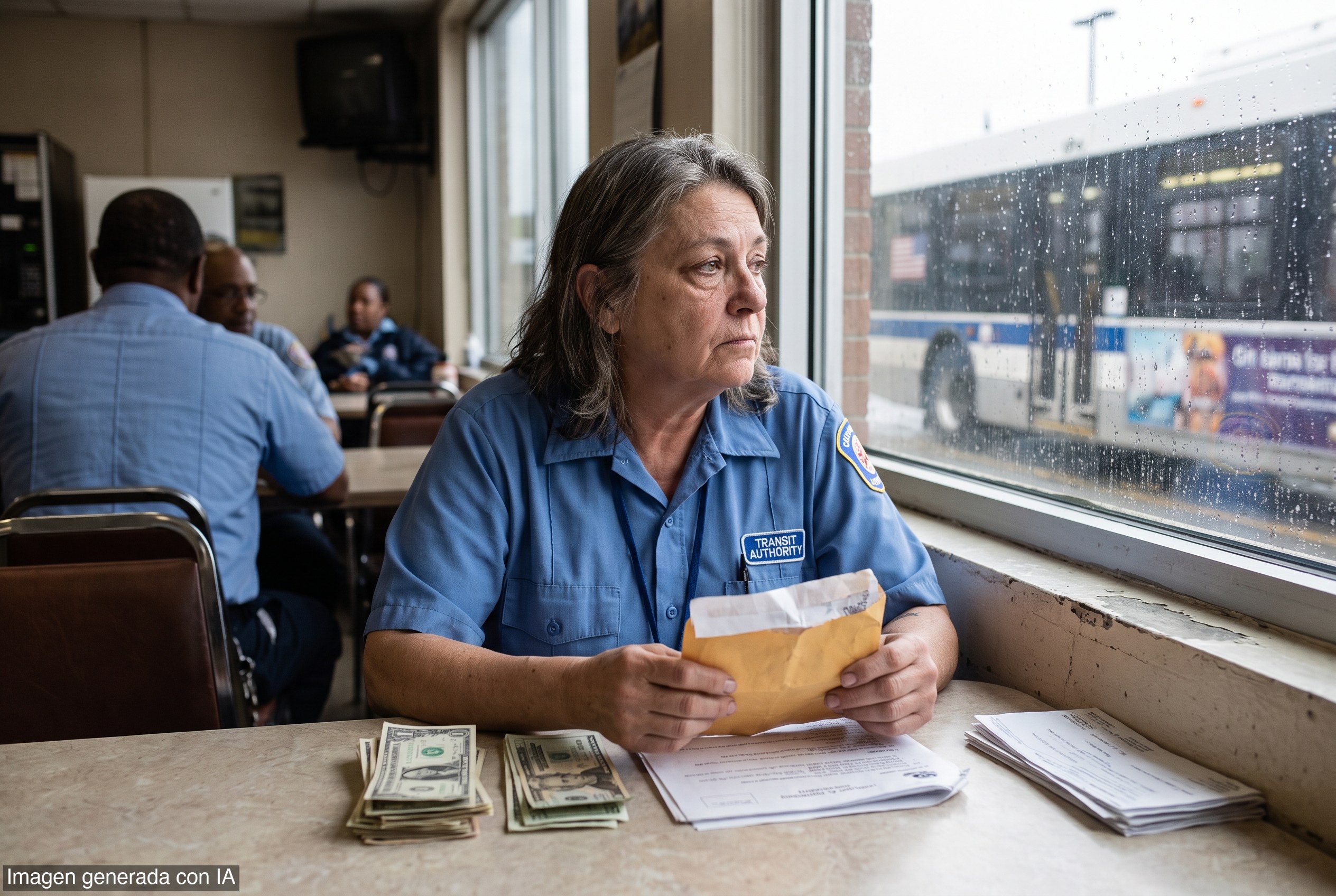
Marty Yabrow, 68, deleted his European vacation spreadsheet and started a new one. The destination: Paris, permanently.
After being laid off in a firm reorganization, Yabrow and his wife Angie, 73, ran the numbers. Despite early pushback from their financial advisor, they sold their Atlanta home and moved to Paris in January 2025. The math, they found, worked.
They are not alone. In 2025, 15,388 Americans applied for a French residency permit — a 17.3% increase from the prior year. And unlike previous generations of wealthy Americans buying pied-à-terre properties, more are making a permanent move.
The numbers behind the move
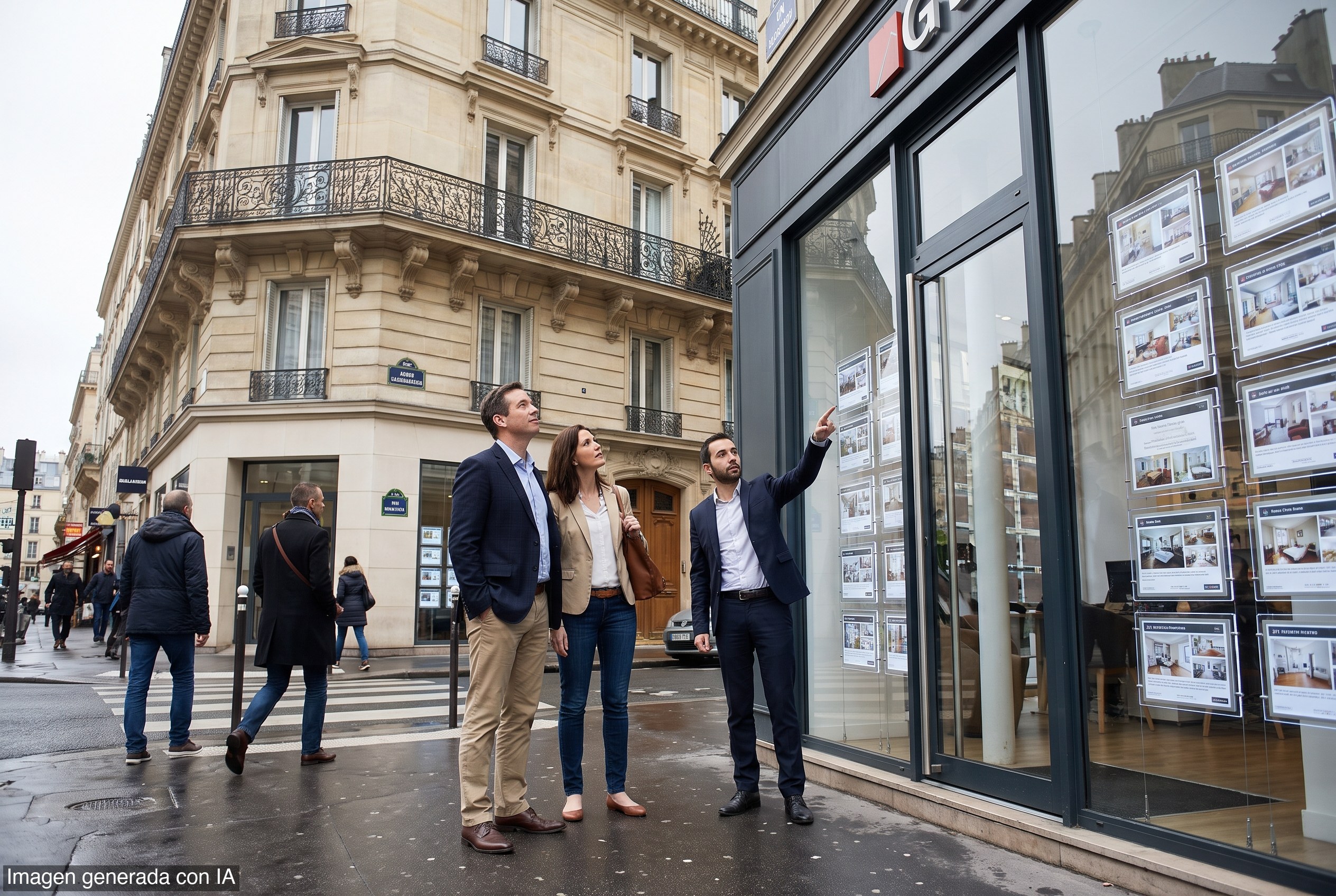
One in four foreign buyers in Paris is American, according to Maître Angélique Devaux, a notary in Paris. Their average budget of 825,000 euros — roughly $950,000 — exceeds the average value of both foreign and French purchases.
Paris property values have increased 1.1% over the past year and 31% since 2016, with a projected 2 to 4% annual increase over the next decade. Transaction costs run 8 to 9%, including taxes, disbursements, and notary fees, which compresses short-term ROI. But for founders and retirees holding dollar-denominated assets, the euro exposure is a hedge, not a liability — especially in periods of currency volatility.
Buyer's agent Adrian Leeds, who has operated an all-inclusive relocation business for 30 years, puts it plainly: 'The politics in the United States has got them crazy. They literally say that: Get me out of here.'
Politics aside, the structural case is real. Paris is cheaper than New York City and Los Angeles on cost-of-living measures. Education and healthcare are free. The city's walkability eliminates car payments. And the bilateral U.S.-France tax treaty protects against double taxation — a meaningful line item for anyone living on a U.S. salary or drawing down retirement accounts.
Where they're buying
Historic neighborhoods — Odéon, Saint-Germain-des-Prés, Le Marais — remain the first stop. But Americans are pushing further into areas like Nouvelle Athènes and Montparnasse, drawn by bilingual schools and major parks. Some are exploring the suburbs.
Guillaume de Blaÿ, managing partner at Barnes Bac-Varenne, a brokerage serving luxury buyers, says Americans are chasing 'postcard Paris' — the 'Emily in Paris' imagery. But the smarter buyers are moving past the postcard.
Michelle Trinh, still based in New York, bought a studio in Le Marais and is renovating it to rent out until she makes the permanent leap. The asset earns yield while she waits.
The Scale. read
This is a capital allocation story, not a lifestyle piece. When founders and operators look at Paris — constrained supply, historical preservation, euro diversification, zero healthcare overhead, and a tax treaty that protects U.S.-sourced income — the spreadsheet starts to make sense. Free markets work in both directions: capital flows to where it is treated well and where costs are structurally lower. For a growing cohort of American founders with portable income, Paris is passing that test. The question isn't whether you can afford it. It's whether you've run the numbers.