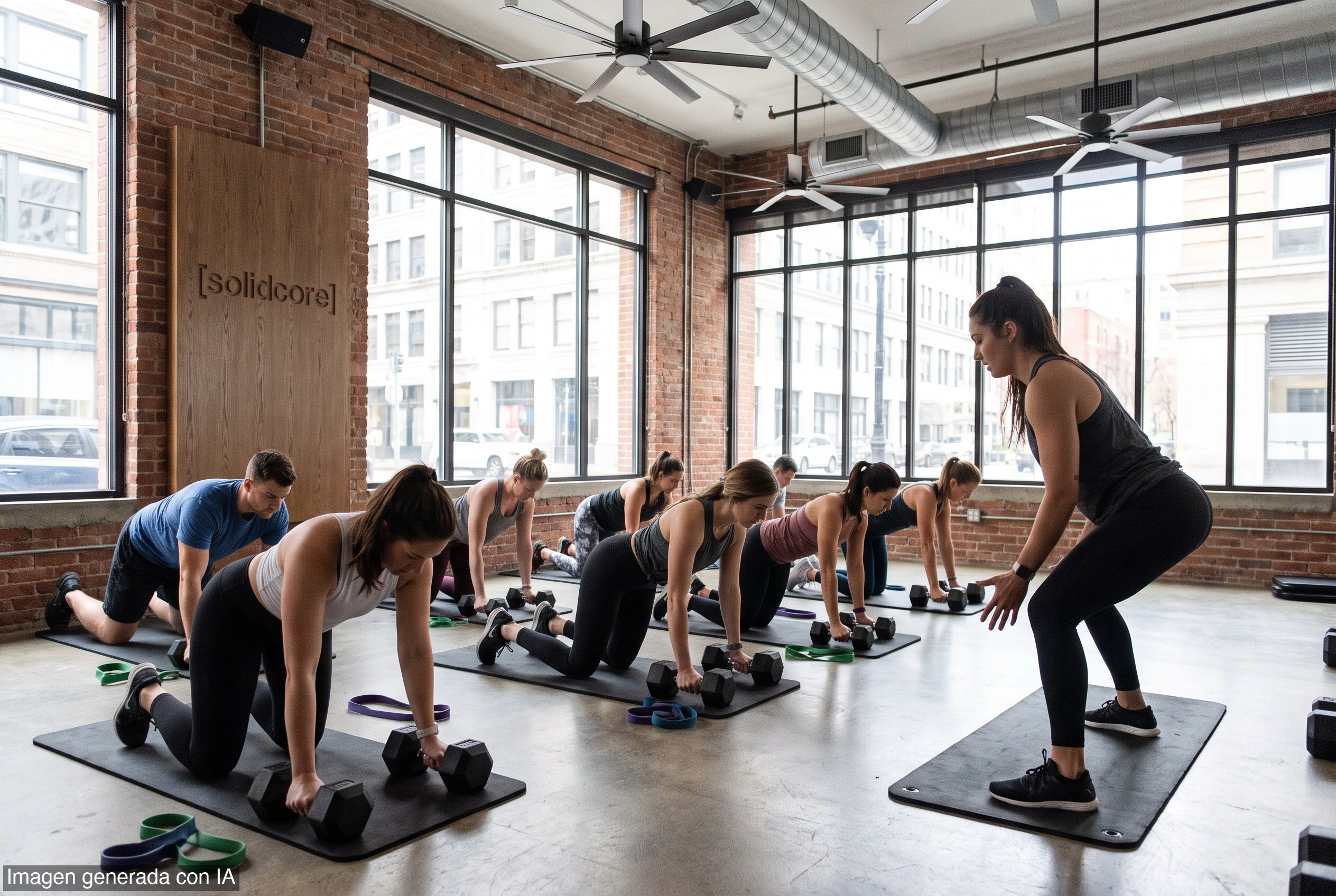
Solidcore is moving beyond its signature reformer workout for the first time in nearly 13 years.
This winter, the company will debut Ascend, a high-intensity, heated, floor-based strength training class, starting at its upcoming Manhattan West studio before rolling it out to other locations, according to details shared with Business Insider. The class is built around heavier weights and progressive strength training, with a new infrared heating system meant to tap emerging research on possible heart-health and anti-inflammatory benefits.
The expansion reflects a broader shift in boutique fitness. The old model rewarded a single specialty: one studio, one workout, one loyal tribe. Now, consumers are mixing Pilates, running, lifting, and recovery work, and they are treating exercise more like a portfolio than a one-off class.
CJ Zarb, founder of The Pilates Journal, said consumers are talking more about longevity, recovery, and wellness than calorie burn. The question, in her view, is no longer whether a class was hard, but whether it helps people move and feel better long term.
Solidcore CEO Bryan Myers said people are now thinking about a 'longevity athlete's approach' to building a routine. He said the brand is betting that cross-training will attract a new generation of loyal members, even if some Pilates purists walk away.
The numbers show why studios are chasing that broader customer. Classpass said fitness reservations were up 36% in 2025, and 94% of users are first-timers at the studios they book. That suggests more people are shopping around, trying new modalities, and filling gaps in their routines with targeted classes.
Technology is accelerating the shift. Fitness enthusiasts now have more precise metrics at their fingertips, from VO2 max to DEXA scans, and those data points make it easier to spot weaknesses in a routine and shop for solutions that improve performance, recovery, and body composition.
That has pushed several big names to widen their offers. Peloton expanded into strength and mobility classes. Orange Theory introduced a strength-only class and later partnered with Hyrox for race-day performance sessions. Even gym franchises are moving into more focused boutique-style formats.
For founders, the playbook is clear: expansion can unlock more customers and a larger share of the market, but it has to be disciplined. A brand that stretches too far risks losing the distinct experience that made it valuable in the first place.
The math is simple. Consumers are already diversifying their fitness spend. The winners will be the studios that give them more options without confusing them about what they stand for.