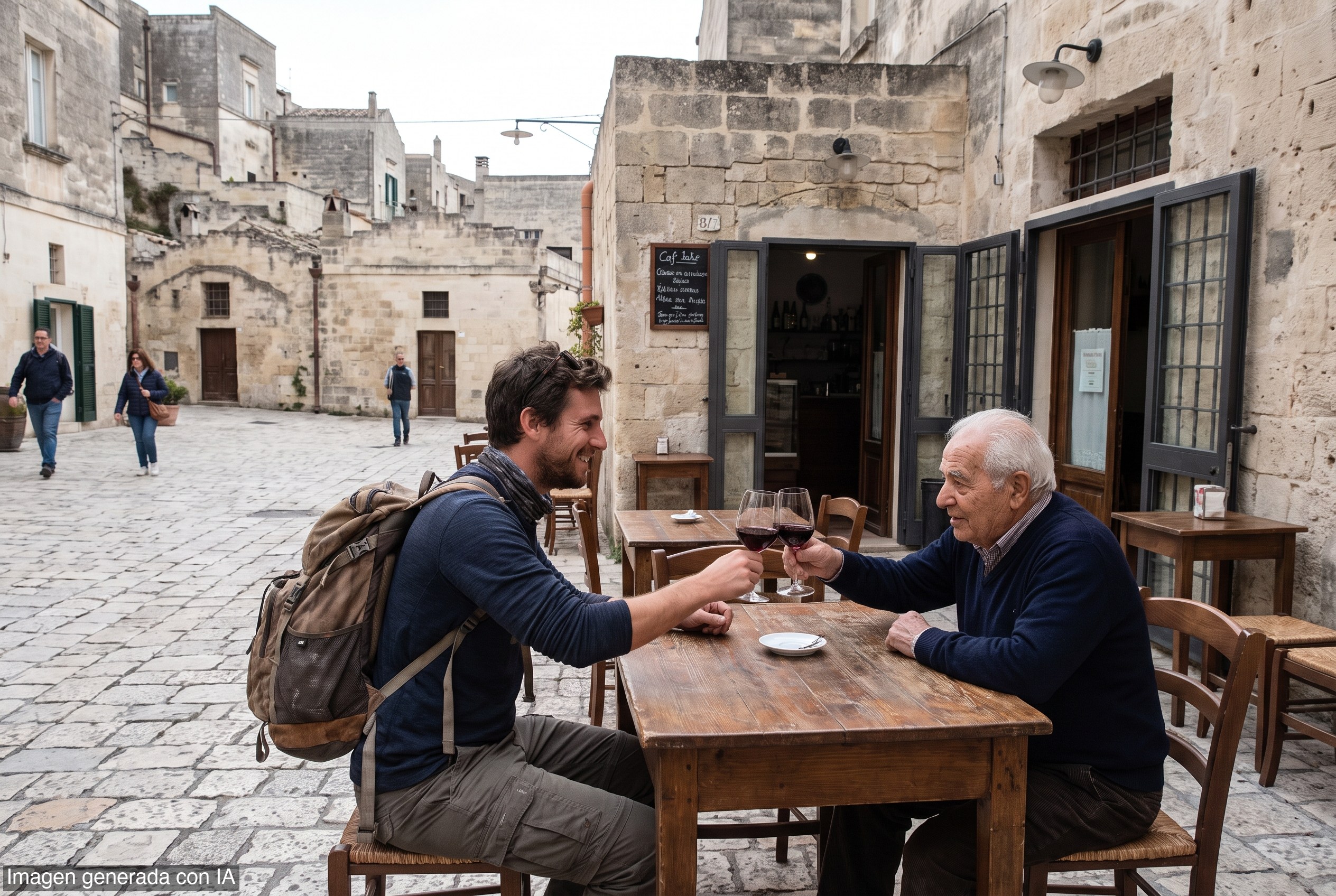
If you've done Rome and Florence, you already know the drill: overpriced pasta, shoulder-to-shoulder tourists, and a constant hand on your wallet. There's a better playbook.
Rosati, a traveler who has visited every Italian region — most of them at least twice — makes the case for skipping the marquee cities entirely and routing through four small towns that still run on local time.
Pizzo, Calabria Tropea gets the headlines, but Pizzo keeps the soul. The beaches are just as striking — rocky white-marbled sand, postcard-blue water — without the tourist density. The local anchor is the tartufo di Pizzo, a chocolate gelato dessert coated in cocoa powder, credited to Gelateria Dante. Add hand-painted ceramics at the artisan markets and 'nduja (a spicy Calabrian salami spread) at any trattoria, and you have a full day without a tour group in sight.
Torre di Palme, Marche Marche is the region Italians themselves call underrated. Torre di Palme — 'Tower of Palms' — sits perched above the Adriatic, earning it the nickname 'Balcony of the Adriatic.' Medieval cobblestone streets lined with palm trees give it an unlikely tropical edge. The dish to order: olive all'ascolana, a deep-fried, meat-stuffed olive that is a regional staple.
Barga, Tuscany Barga carries a quirk that earns a second look: Scottish flags scattered through a Tuscan hill town. The backstory is real — many Barga residents emigrated to Scotland in the early 1900s and eventually returned, blending the two cultures. Fish and chips appear on menus alongside Chianti. The Duomo di San Cristoforo delivers panoramic views of Tuscany's rolling hills, and Podere Concori is Rosati's top winery pick in the country.
Termoli, Molise Molise is so overlooked that locals joke it doesn't exist. Termoli, a beach town with under 35,000 residents, is the practical base: it's the most convenient departure point for ferries to the Tremiti Islands. The gelato ranks among the best Rosati has found anywhere in Italy. Local cuisine runs to caciocavallo cheese and fusilli pasta. And Castello di Svevo — an old castle sitting directly above the main beach — delivers the kind of only-in-Italy moment that no major city can manufacture.
---
The pattern here is straightforward. Smaller towns mean lower prices, fewer crowds, and direct access to the food and culture that made Italy worth visiting in the first place. Founders who travel for deals and relationships know the value of going where the competition isn't. The same logic applies to your next itinerary.
The best experiences in Italy right now aren't behind a velvet rope or on a waiting list. They're in towns most tourists fly right over.