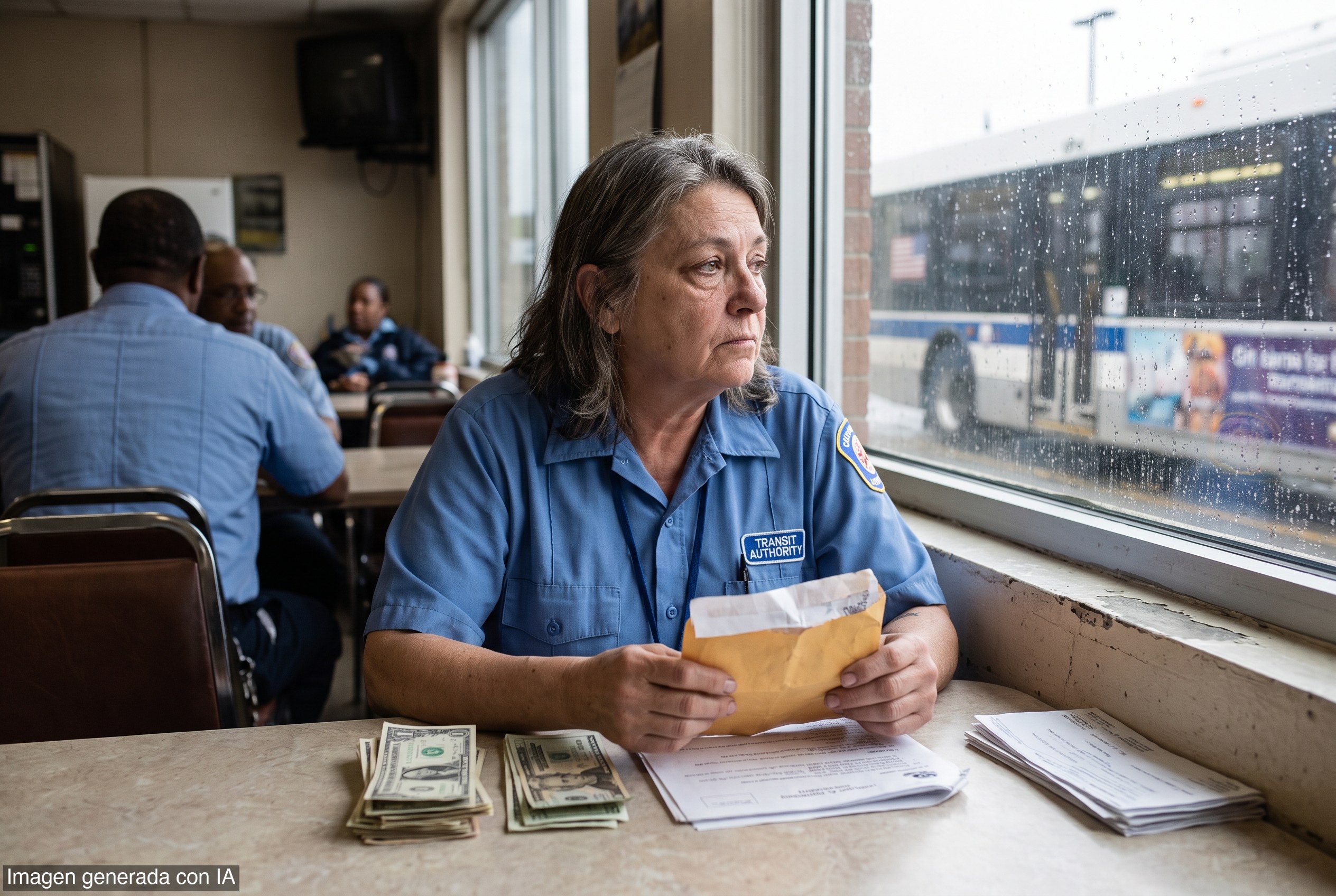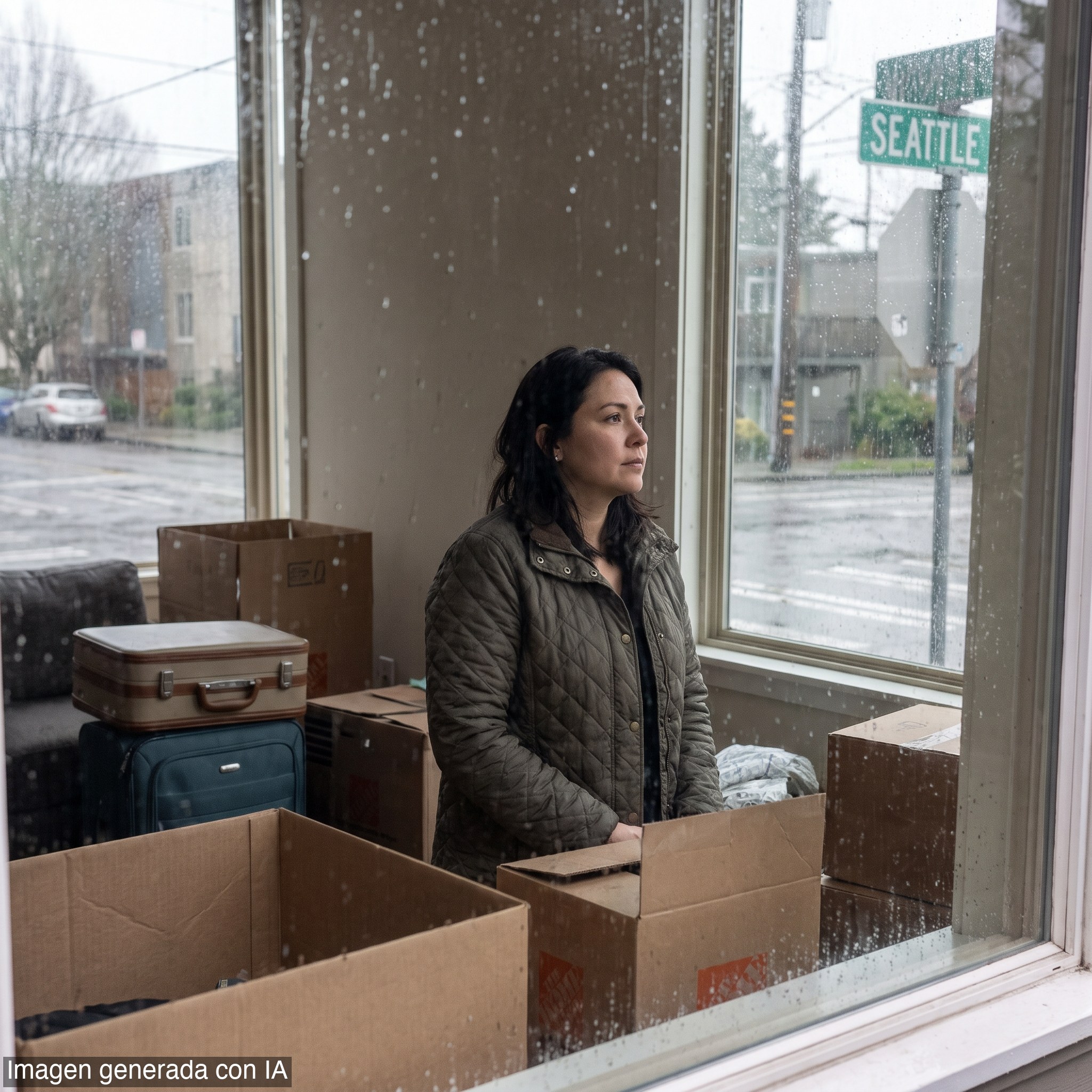
Soumi Chanda arrived in the United States in December 2013 on an F-1 visa, a 20-year-old from Kolkata who had already been working since age 17 to support her family. Thirteen years later, she had 60 days to dismantle everything she had built.
The visa math is unforgiving
Chanda's path to an H-1B was anything but linear. US Bank declined to sponsor her. A small genetic-testing startup — where she was promoted within months, according to former CEO Lisa Shaffer — eventually got her through the door. Neogen, which acquired that startup, sponsored her H-1B. She was selected in the lottery on her first attempt in 2021. 'Pure luck,' she called it. Amazon later acquired her sponsorship, and she relocated roughly 280 miles west to Seattle.
For H-1B holders, the visa is tied to the employer. When the employer disappears, so does the legal right to stay — and the clock starts immediately.
The exit cost $18,000
Chanda was laid off and signed her severance without negotiating. With no interviews in the first 30 days, she began preparing to leave the country. Her two cats were non-negotiable. Getting them out cost roughly $5,000 in paperwork and international pet-travel fees. Breaking her lease early ran another $6,000. Add her own airfare, a friend's flight from India to help her move, last-minute agent fees, and USDA and Indian customs documentation, and the total came to an estimated $18,000.
She sold a couch and a TV. She paid to dispose of the rest.
The relaunch
Back in Kolkata, Chanda is building Puchki, a pet-sitting brand she describes as inspired by the difficulty of finding reliable pet care in the city. The idea came directly from her own experience caring for her cats during the move. She credits throwing herself back into work with pulling her through the hardest weeks of the transition.
She told Business Insider she has no desire to live in the US again, citing constant uncertainty and the broader political climate. Europe, she said, is the version of 'somewhere else' that appeals to her most.
What this means for founders who hire on visas
Chanda's story is a clean case study in a risk that too many founders underestimate: the human and financial cost of visa dependency. The H-1B lottery is exactly that — a lottery. Winning it once does not guarantee stability, and a layoff does not just end a job; it ends a life built over more than a decade.
For founders building teams with international talent, the lesson is structural. Sponsorship is a commitment, not a perk. Workers who clear the lottery, survive the paperwork, and deliver results deserve a hiring environment that treats their status as a serious operational variable — not an afterthought on the severance checklist. The talent is real. The system's fragility is equally real. Build your people strategy around both.