Jaime Bancroft-Gennaro, a 50-year-old consultant and coach, did not overthink the move. When her husband received a small inheritance and a job in software that transferred to Amsterdam, she flew over alone to scout it. She loved it. In 2017, with kids aged 4 and 6, the family left Portland.
The numbers that made it work
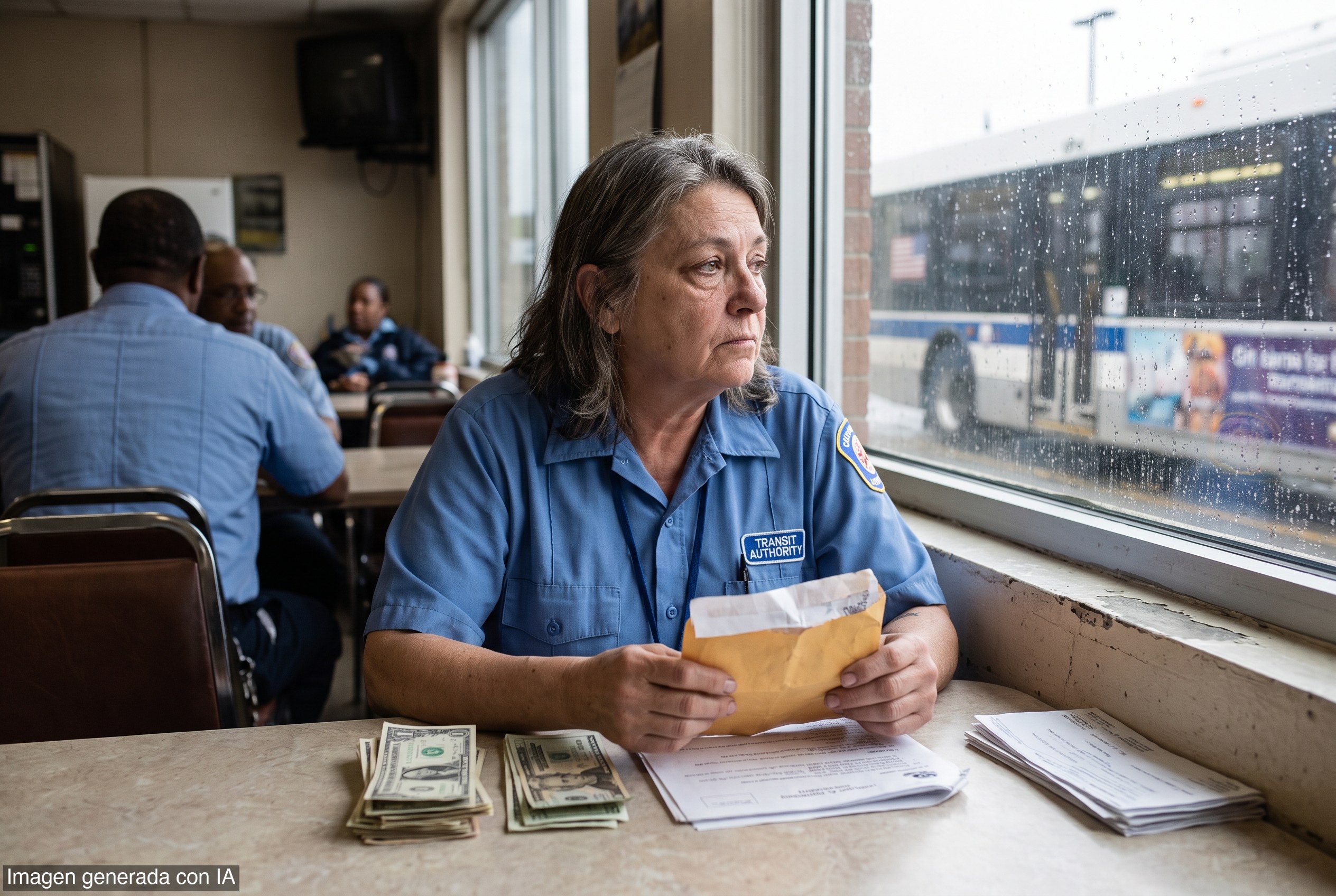
In the US, the family paid $1,900 a month for a three-bedroom rental — carpet, dumpy kitchen, electric stove, utilities not included. In the Netherlands, their mortgage on a four-bedroom with an office runs €1,500, roughly $1,745. Groceries cost €150 a week. The housing math alone is a founder-level lesson in cost arbitrage: more space, lower fixed overhead, different market.
Bancroft-Gennaro arrived on a work permit sponsored by an advertising company she joined after landing. When she lost that job during COVID-19, she stayed through her husband's residency and eventually became a citizen herself.
What she kept, what she cut
Her packing list was ruthless. The kids' stuffed animals, blankets, and toys made the cut. Her own furniture mostly did not. She shipped two retro chairs from Portland, her college VHS tapes, and her clothes. A shared container service handled the rest. 'Every time you hit a milestone in your life, or you move, you're a new person,' she said. The one regret: she did not bring her bike. She needed one the moment she arrived.
The bike culture is the product
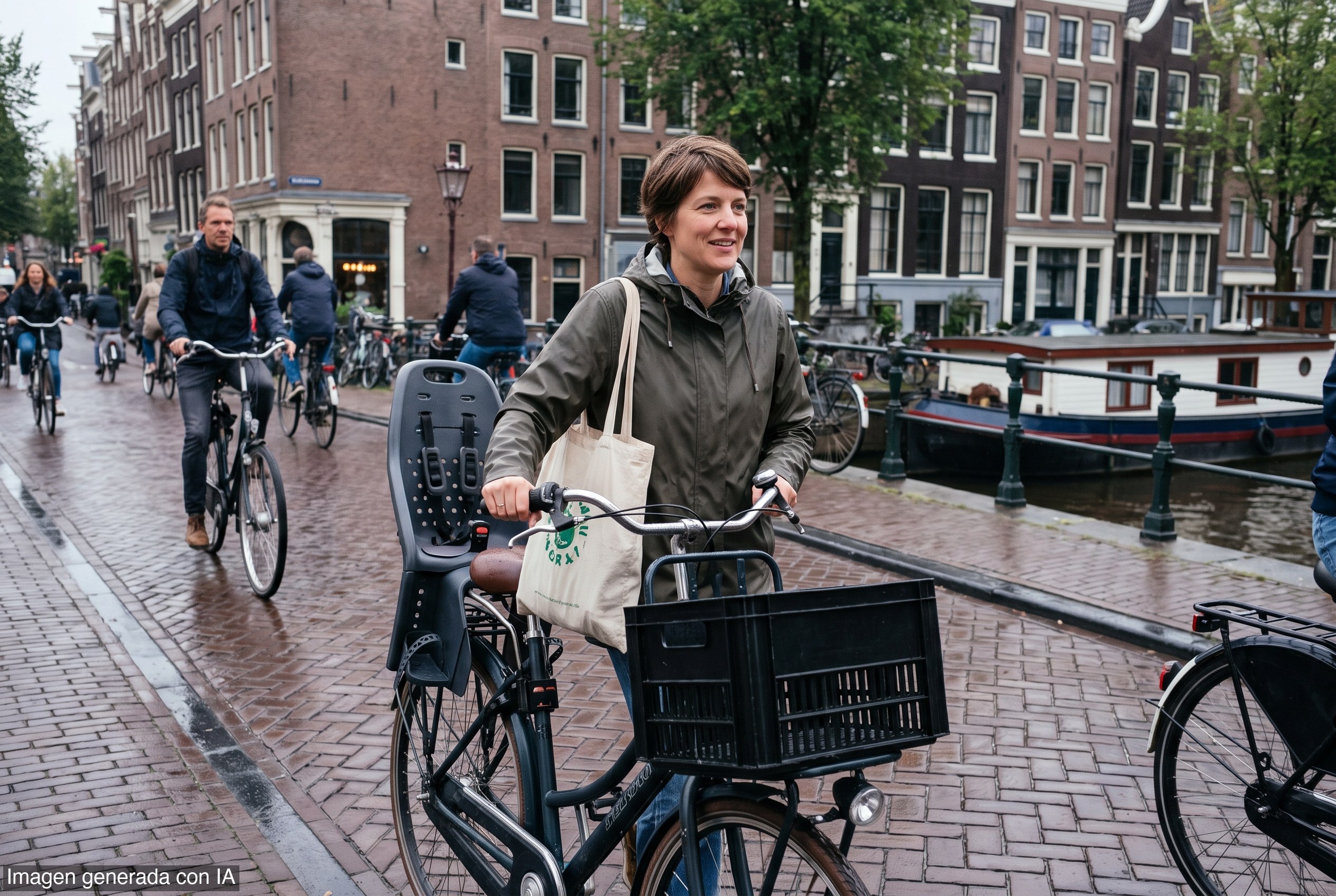
Amsterdam's cycling infrastructure — dedicated lanes, stoplights, roundabouts — is not a perk. It is the operating system. Her kids ride independently to parties and school. She works from home and no longer drives. The community layer runs on top: a neighborhood WhatsApp group where an older woman asks for help with her garbage or coffee, and neighbors show up.
What the spreadsheet does not capture
Bancroft-Gennaro misses Trader Joe's — her words, emphatic. She misses the American small talk, the cashier asking how her day is going. Dutch communication, she notes, is efficient: fewer words, less chit-chat. Her kids are now fluent in Dutch, English, and Italian. She enrolled them directly in Dutch public school, not an international school, specifically so they would feel rooted rather than transient.
---
Bancroft-Gennaro's story is a clean case study in what founders call location arbitrage — lower fixed costs, different quality-of-life inputs, same or better output. The mortgage drop, the car elimination, the infrastructure that handles school runs: these are real line items. The lesson is not that Europe is better. It is that your cost structure and your lifestyle are variables, not constants, and the founders who treat them that way buy back the one thing no spreadsheet replaces: time. The grocery nostalgia is real. So is the math.