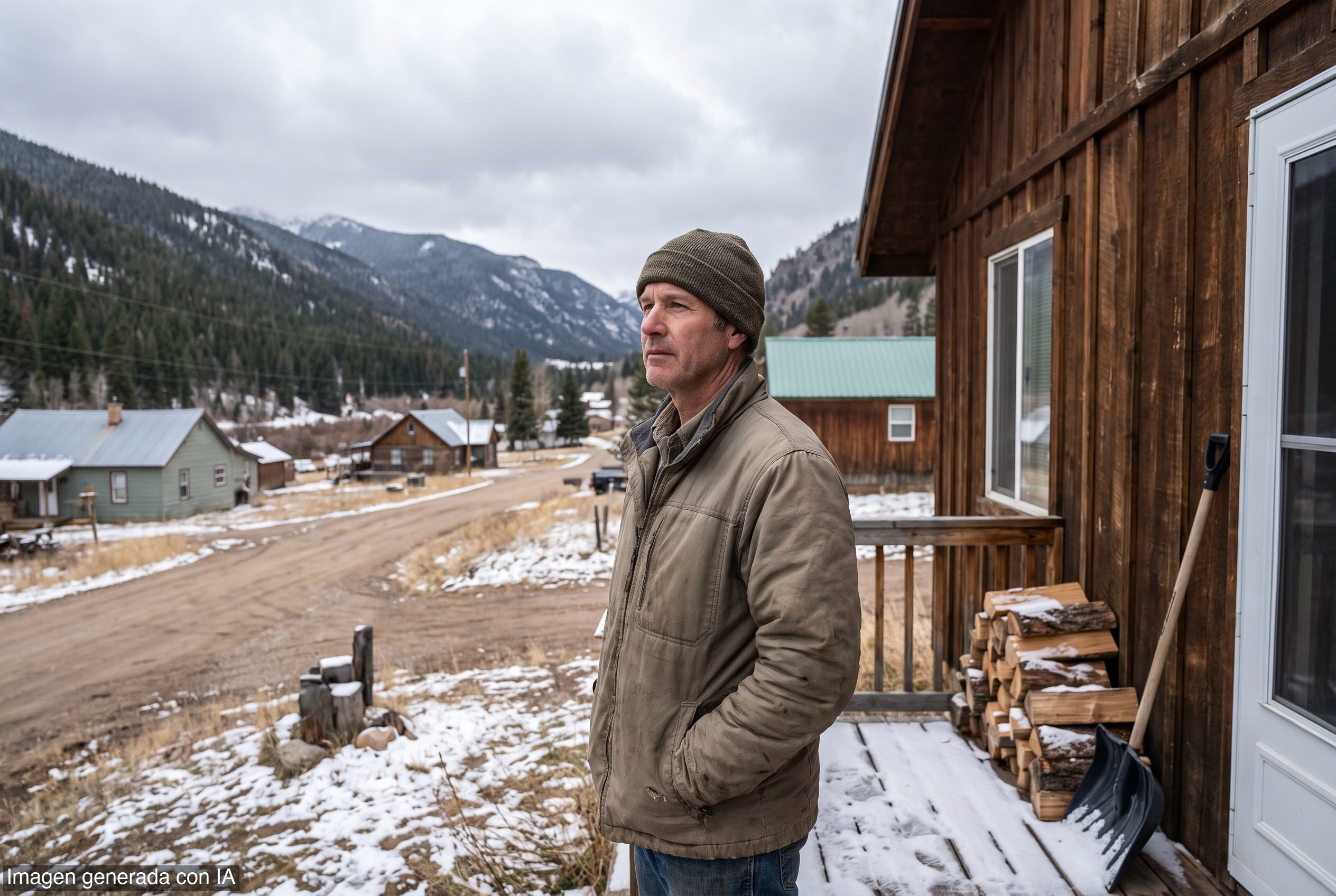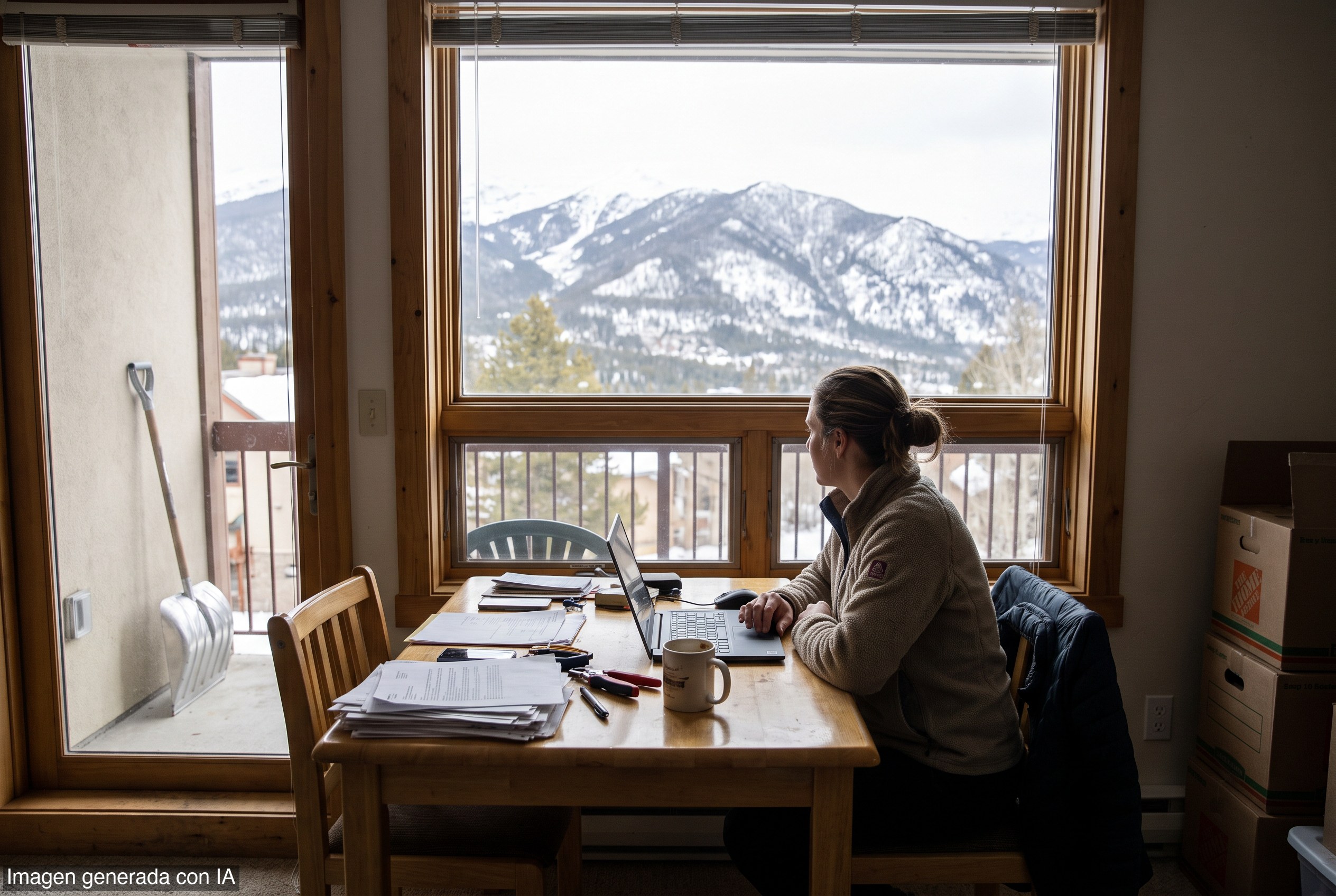
The pitch was hard to argue with: a historically low mortgage rate, a price that would have been a steal in the Rockies, and a condo in a Virginia Blue Ridge mountain resort. Kightlinger bought it sight unseen.
Then, nine days after closing, her mother died — the entire reason she had moved. There was no plan B.
The isolation math hits fast
The resort has 2,000 properties. Most are second homes or short-term rentals that sit empty most of the time. On evening walks, Kightlinger would look up at her building and see one light on. Hers.
The nearest town with any services is a 20-minute drive. The nearest grocery run is 45 miles round-trip — sometimes an hour each way. Food, goods, and services all carry what she calls 'the mountain equivalent of island pricing.' For a full-time resident on a middle-class income, that surcharge compounds fast.
Vehicle maintenance is non-negotiable when home sits 12 zigzagging miles and 2,800 feet up a mountain. She stocks her pantry at Costco to limit trips. She bought a recreational membership to the resort's social club to avoid driving far just to use gym equipment.
The community fix — and its ceiling
Kightlinger didn't wait for community to find her. She posted on the resort's homeowners' Facebook page — as her dog, Cody — asking for walking companions. More than 50 responded. The Dog Owners Group now has more than 500 members.
She pushed herself to attend wine tastings and community events. Within two months she had a tight-knit group that would lend a pressure washer, build a meal tree, and pick up groceries without being asked.
But community has a ceiling when the pool is small and homogeneous. Most neighbors, she writes, are white, married, empty-nesters who are retired or working remotely. The dating pool, she notes, consists of 'about three great guys who have more potential as pals than partners.'
Every July a monthlong music festival brings performers of different ages, nationalities, and backgrounds to the mountain. For three years she has hosted a clarinetist and a trombone professor. It's energizing — and it underscores what's missing the other eleven months.
The ledger after five years
On the asset side: Appalachian Trail access from her front door, a genuine found-family of neighbors, and views that pulled her out of bed every morning.
On the liability side: geographic isolation, premium pricing on everyday goods, a social monoculture, and a nagging sense that the life she actually wants — a cottage by the sea, in Maine — was never here.
It's taken five years, she writes, but she is ready to leave. Her next home, a coastal college town in Maine, will not be bought sight unseen.
The Scale. read: Remote work gave founders and knowledge workers the freedom to live anywhere. That freedom is real — but 'anywhere' still has a cost structure, a social infrastructure, and a culture. Kightlinger's ledger is a clean-eyed reminder that the right location compounds your life the same way the right market compounds a business. Audit both before you sign.