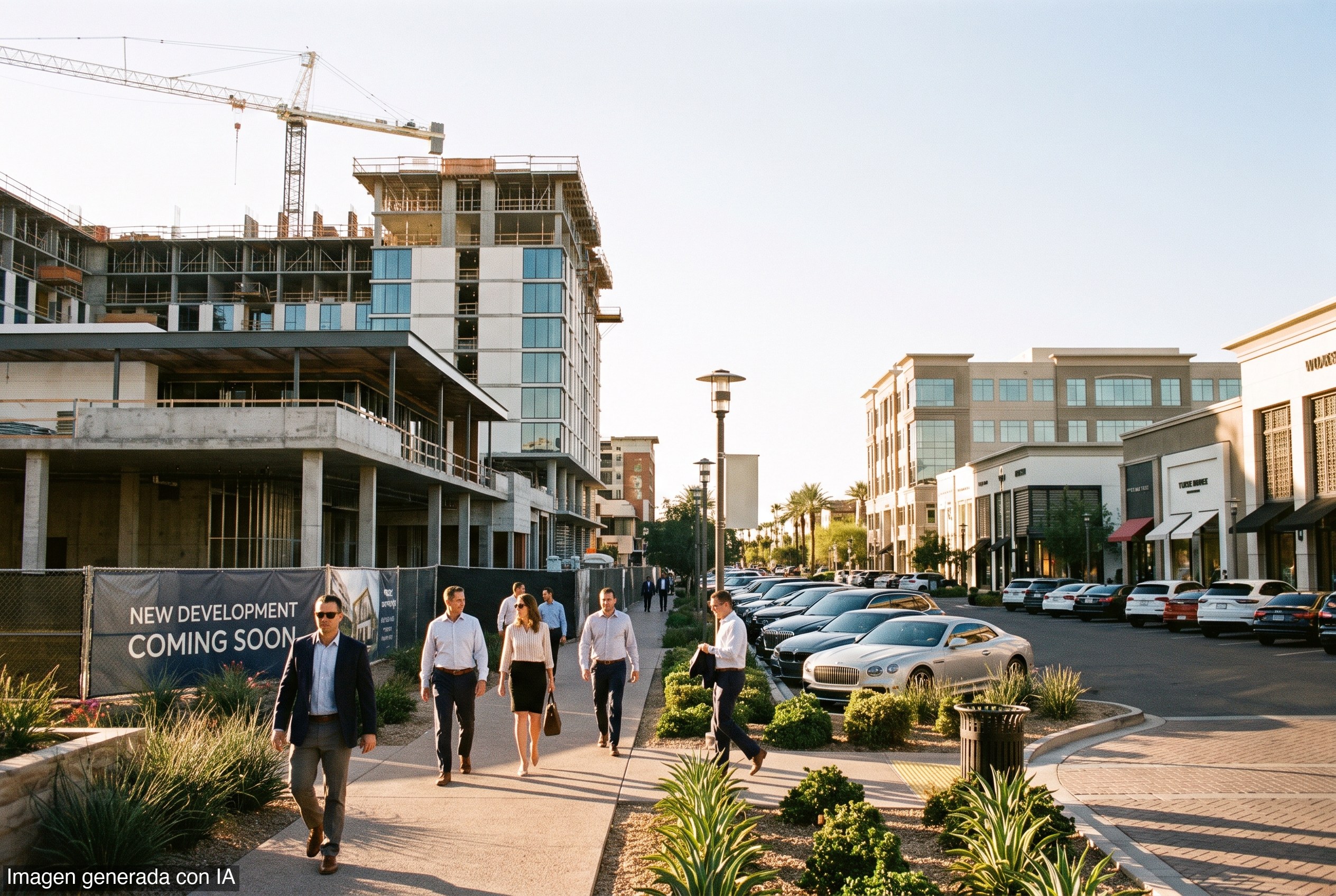
Scottsdale has become America's fastest-growing wealth hub, with a 125% increase in millionaire residents between 2014 and 2024, according to the 2025 USA Wealth Report by Henley & Partners. Paradise Valley, between Scottsdale and Phoenix, is Arizona's richest municipality by per capita income, according to the US Census Bureau.
That concentration of wealth is not just a real-estate headline. Scottsdale alone hosted more than 10 million tourists in 2025, and visitors spent $2 billion on their trips, according to a research report conducted for the City of Scottsdale. That kind of demand supports hotels, restaurants, retail, and services — the kind of ecosystem that gives a local market staying power.
The trip also shows why the area can pull in both high-end and practical buyers. The Phoenician spans 600 acres with five pools, eight restaurants, several shops, a spa, and a golf course. Hermosa Inn is smaller, with six acres of gardens, 43 stand-alone casitas, and one pool. Different products, same underlying demand: people are willing to pay for convenience, experience, and a place that feels easy to use.
Access matters too. The cab ride from Phoenix Sky Harbor International Airport to Downtown Scottsdale took 20 minutes, and the return from Paradise Valley took 15 minutes. During the trip, dinner in Scottsdale from Paradise Valley was less than 30 minutes away by car. That proximity gives the area a practical edge, even before you get to climate, hotels, or shopping.
The area is also not built around one type of customer. The reporting points to mountain hikes, luxury spas, department stores, boutiques, public sculptures, and an old town area. In other words, the market serves both leisure and lifestyle demand, which is usually a better recipe for durable growth than a single-use destination.
For founders and operators, the playbook is familiar. Where people with money cluster, service businesses follow. Where tourists keep coming, hospitality keeps investing. And where travel is easy, customers return.
That is the real lesson here: wealth hubs are not just places with expensive homes. They are networks of incentives, convenience, and spending power. When those pieces line up, margins get built into the local economy — and the market does the rest.