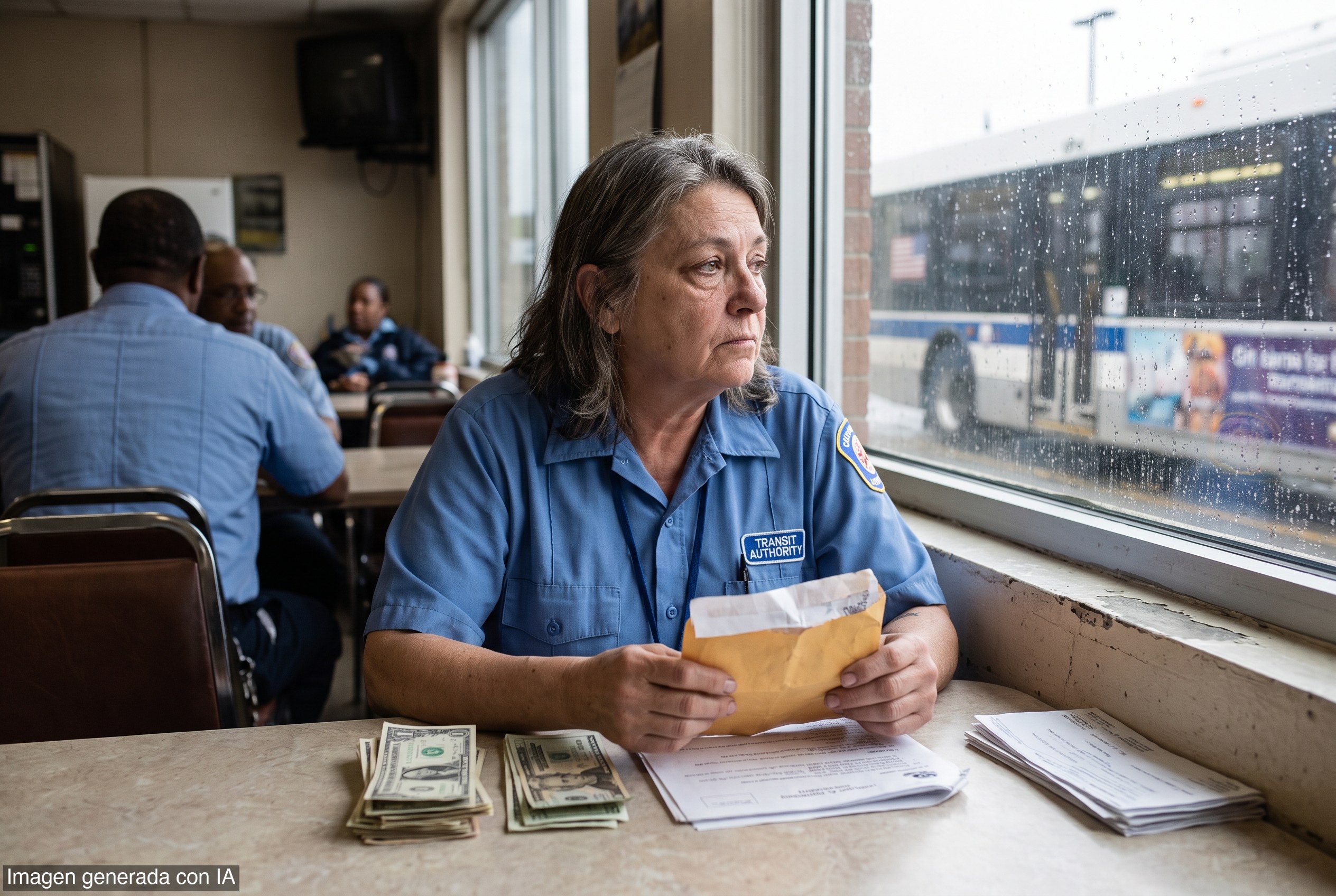
Older Americans are falling back into poverty as pandemic aid fades and retirement costs keep rising.
New Census data shows the poverty rate increased the most for Americans 65 and older after adjusting for tax credits and government programs. The share of all Americans living below that adjusted poverty measure rose from 9.1% in 2020 to 13.1% in 2025. For Americans 65 and older, it climbed from 9.4% to 15.4%.
Millions of older Americans live solely off Social Security benefits, which often do not cover daily costs, let alone Medicare premiums or caregiving expenses. Social Security kept 28.8 million Americans out of poverty in 2025, including nearly 21 million Americans 65 and older, but those benefits are looking shaky as the boomer generation ages into retirement and lifespans stretch longer.
The pressure is coming from several directions. The Census report found that 7.7 million Americans fell into poverty because of medical expenses, including around 2.5 million people 65 and older, up from around 2.36 million in 2024. Families interviewed by Business Insider said they have spent six figures on care for loved ones, while the median cost of a private nursing home room rose from $111,000 to $130,000 annually between 2022 and 2025, according to CareScout.
Housing is adding another layer of strain. More than one in three older American households puts 30% or more of its income toward housing, according to a 2025 study from Harvard University’s Joint Center for Housing Studies. Older Americans are also the fastest-growing demographic experiencing homelessness, with about 20% of all people experiencing homelessness 55 and older as of 2024.
Some older Americans are still finding ways to work longer and stretch their resources. Sharon Albrecht, 85, works for a home healthcare agency and as a part-time Uber driver in Virginia to supplement Social Security and her retirement savings. But the broader picture is clear: the safety net is absorbing more strain while the costs of aging keep rising.
The math is simple. When retirement depends on a fixed benefit and the bills keep moving up, more people end up choosing between medicine, housing and basic living costs. That is a problem for taxpayers, families and the labor market alike. Founders and employers watching this trend should read it as a warning about household fragility, not just a retiree story.