Miss USA is trying a new business model, and it is built around revenue.
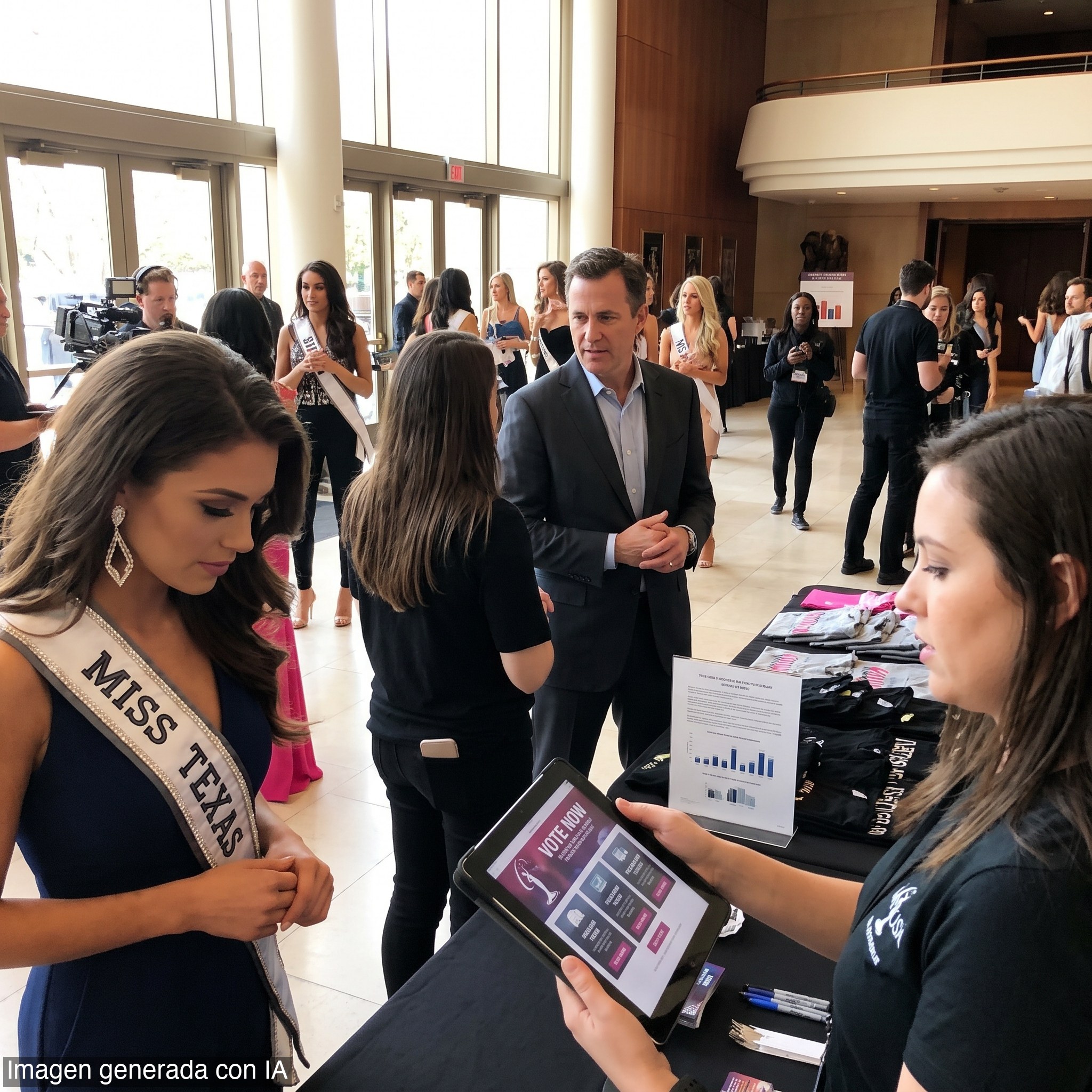
At last month’s pageant in Miami, fans could cast a free vote or buy more in bundles of '50 for $50, 250 for $250, 500 for $500.' Paid voting helped determine three top 20 spots. A fourth went to the contestant who sold the most Westgate Resorts vacation packages, tying placement to sales for a sponsor.
The winner, Justus Kelley, was crowned on August 27. The pageant also let fans vote for the top 10 as a 'seventh judge,' while the final crown was determined by a panel of six judges, including Miss USA and Miss Universe winners.
The change reflects a blunt financial reality. Paula Shugart, who oversaw Miss USA from 2001 to 2020, said the pageant once received '$3 to $5 million' in licensing fees from networks. Those days are gone. She said network television has changed and that the pageant has to find new ways to pay for itself and defray costs.
Thom Brodeur, who took over Miss USA in September 2025, told Business Insider that 'the days of free lunch for pageants and pageant fans are over' and that new revenue streams are the way the industry will survive into its next 75 years. He is also listed as vice president and chief marketing officer of Queen Beauty Network, the streaming service where the pageant moved after The CW dropped the show on August 20.
The pageant’s audience has shrunk sharply. Nearly 40 million people tuned in in the 1960s and '70s. In 2023, the final peaked at 1.1 million viewers on The CW. When Kelley won this year, the live viewer counter on Queen Beauty Network showed around 4,000 people watching.
Contestants said the competition was already expensive, with estimated costs ranging from '$3,000 to $50,000.' Kaitlyn Humphrey of Arizona said it 'breaks my heart' that many people cannot compete because of the financial barrier, and that the new layers add to that pressure.
Here’s the playbook: if a business is losing its old distribution and its old licensing income, it has to replace that cash somehow. Miss USA is doing that by turning attention into monetizable traffic. The question is whether the new model widens the moat around the pageant or simply makes entry harder for the women trying to compete.
For founders, the lesson is simple. Revenue innovation can keep a legacy brand alive, but every new stream comes with a trade-off. If the customer experience starts to feel pay-to-play, the brand may protect its runway and lose trust at the same time.