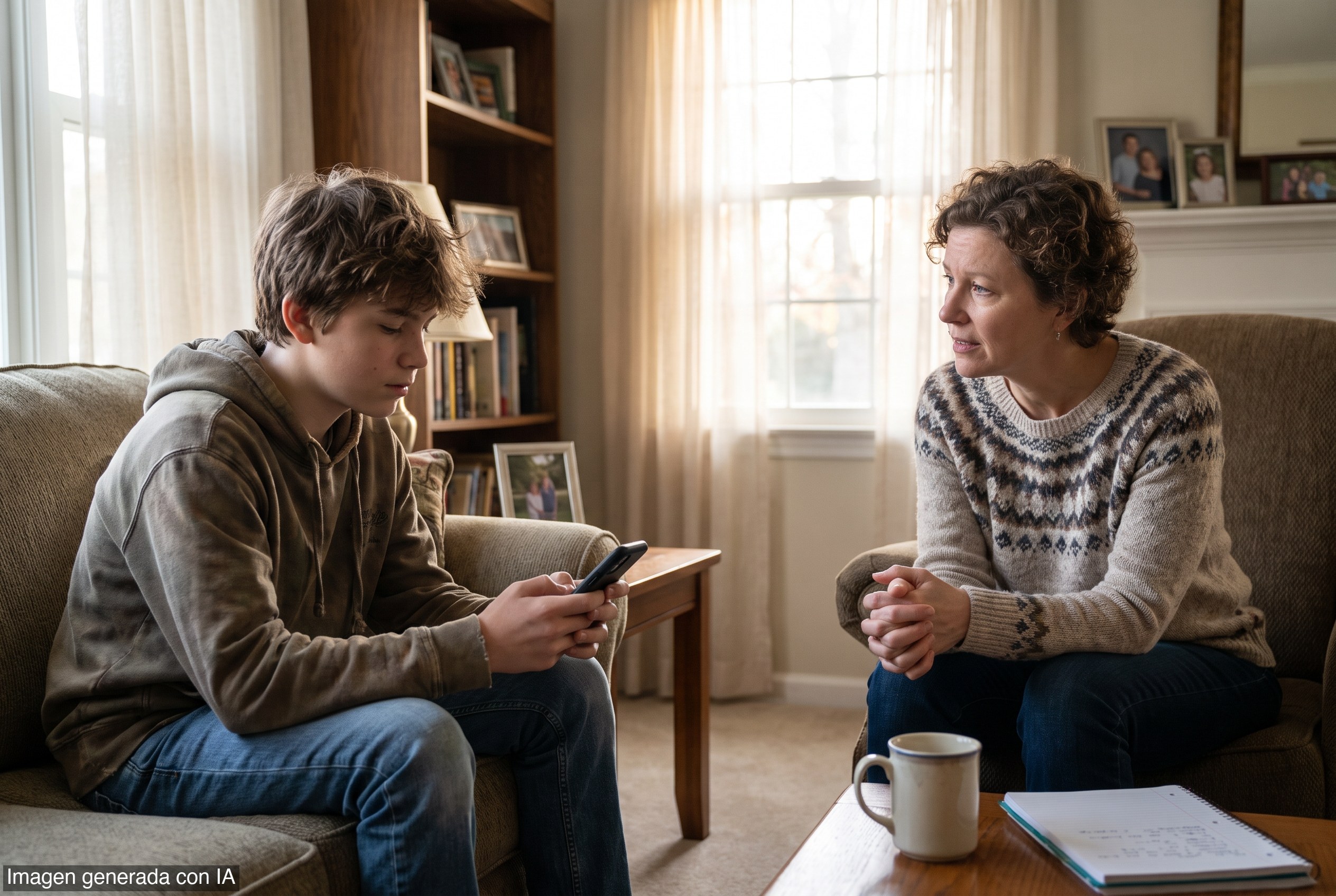
An American mother raising two children in Italy says day-to-day parenting there looks nothing like what she knew in New York City.
She said her 8-year-old daughter’s school lunches are more like a 'gourmet trattoria' than a cafeteria meal. Each day, children get a first course, usually pasta with vegetables or beans, plus a second course such as meatballs, chicken cutlets, or poached fish, and a side dish of carrots, green beans, or salad. Dessert, like chocolate cake, sometimes appears too.
The meals are prepared by local cooks, many of whom are mothers and relatives of children at the school, and a local restaurant oversees the process. That is a very different model from the typical school lunch experience she remembered in New York.
She also said Italian children are not pushed into the kind of packed schedule many American kids face. In her view, there is less pressure to stack the calendar with sports practices, music lessons, tutoring sessions, and other extracurriculars. Instead, the focus is on what the child actually wants to do.
That same pattern shows up in how families think about independence. She said children in Italy appear to have more freedom, and parents are less likely to monitor every move. At the park, she has seen children taking risks on climbing equipment while parents chat or look at their phones. She said that can build confidence and independence, even if it is not something she fully embraces.
Family structure is another major difference. She said responsibility is often shared across generations rather than falling only on parents. Grandparents, especially the nonna, often act like a second mother, while cousins, aunts, and uncles also play active roles. Her own parents moved to Italy a few years ago and now help as full-time grandparents.
She also said the communities where she lives feel more connected than the neighborhood she grew up in in New York City. In her experience, people know one another, and small communities share a sense of responsibility for looking out for children.
What stands out most for founders and parents alike is not a sentimental idea of family, but a different operating system. Italy appears to reward a slower pace, a broader support network, and less obsession with résumé-building from childhood on. That can reduce pressure on families and leave more room for real life.
For American parents used to optimizing every hour, that is the real lesson. The math is simple: if every minute is scheduled, every mistake feels expensive. In Italy, at least in her telling, the margin for childhood is wider. That gives kids more room to grow — and gives parents less reason to treat family life like a performance review.