Rising fear around an AI apocalypse is already rattling markets, and investors are being pushed to think through a worst-case scenario.
The advice from the people cited is not to make one all-or-nothing bet. Wilson said gold could be the asset class that endures in a catastrophe, while cybersecurity stocks could be the 'best defense' in the meantime. He also pointed to miners, real estate, defense, booze, and cigarettes if a broader market meltdown hits.
Longo backed a more traditional playbook: diversify across and within asset classes, keep some cash aside, and limit leverage. He said gold, US Treasurys, and Swiss francs are among the 'traditional safe-haven assets' worth a look, while software security and defense stocks may attract investor attention.
Streeter took the same risk-management view. She warned investors not to 'scramble for a single financial life raft' and instead suggested reducing exposure to the biggest US tech names, maintaining a 'sensible cash buffer,' and spreading investments across regions, sectors, and asset classes. She said gold can be a hedge in periods of severe market stress, but crypto is unlikely to offer much shelter because of its volatility when investors are 'running for cover.'
Ozkardeskaya said government bonds, gold, real estate funds, and high-quality defensive stocks would likely be the best bets if disaster strikes. For stock investors, she said rotating toward companies with strong earnings, low leverage, and sufficient free cash flow would be a 'no-brainer.'
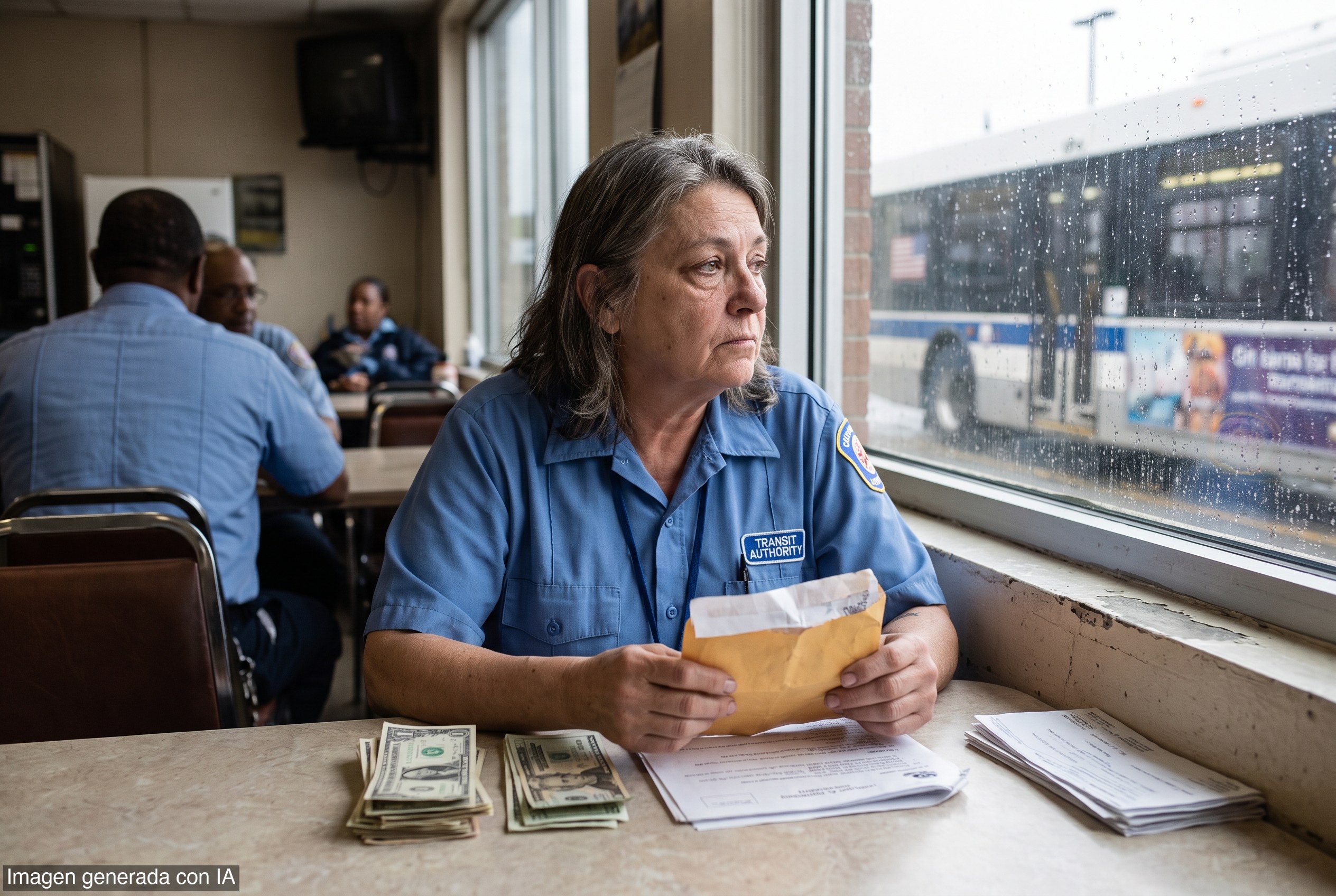
Coles was more skeptical of the doomsday framing. She called the risk of AI ending the world 'completely theoretical' and said safeguards will likely be put in place. Even so, she suggested a few practical steps: stockpile long-lasting food and household essentials such as toilet paper, keep a small sum of money safe at home in case access to cash is interrupted, and avoid stashing a large amount of cash where it could be stolen or damaged.
Pugh went further and said that in a truly catastrophic AI scenario, money may not matter much because functioning human systems would be gone. She said the priority would be relationships with family, neighbors, and communities, along with water and food.
For founders and investors, the playbook is the same one that works in any crisis: preserve optionality, avoid concentration, and keep enough liquidity to survive the shock. The math is simple. If the world remains normal, you do not want a panic trade to damage your finances. If it does not, cash, diversification, and lower leverage give you more runway to keep moving.