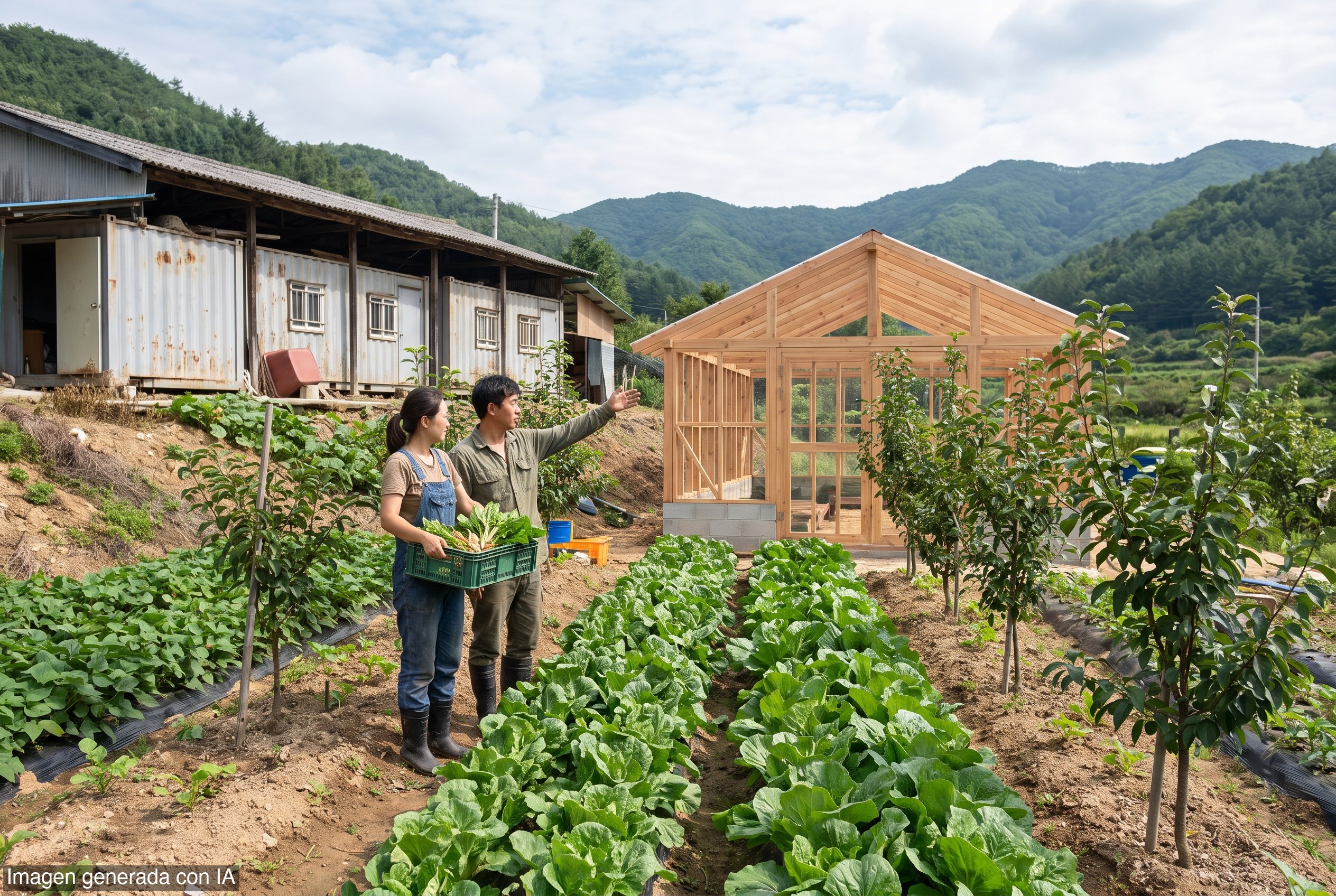
Kang 'Kay' Soo-il and Lily quit their jobs, traveled the world for about two years, and then returned to South Korea to run her family's farm in Yesan.
Their pivot is a reminder that a small business survives on margins, not nostalgia. On the farm, they found they were throwing out almost 50% of their produce because it was not attractive enough for the market. They could not afford to keep selling only half of the harvest.
So they changed the model. Instead of relying only on fresh produce, they began using deodeok in butter cookies, lattes, and scones. In 2022, they launched the business as Deodeokmong, or Dream of Deodeok, after it had been known as Ssabdari Deodeok.
The couple also secured a local government small-business support program grant for about 100 million South Korean won, or about $70,000. They used it to buy new equipment and hire a design studio for a rebrand and renovation. They said the program took nearly a year and changed everything.
That support helped open doors. Local resorts reached out to feature the products in their lobbies, and Hyundai Department Store invited them to host pop-up markets in Seoul. Older customers told him they like seeing young farmers keep traditional crops alive, while younger city buyers were drawn to the packaging.
Soo-il said he handles planting, farming, accounting, and making the products. Lily focuses on branding, marketing, and product development. They also have a five-year-old daughter and are expecting their second child soon.
For founders, the lesson is straightforward: if the core product is wasting half its output, the playbook has to change. The market does not pay for effort alone. It pays for something customers will buy, at a price that covers the business and leaves runway.
That is why this farm story matters beyond agriculture. It is about adapting fast, cutting waste, and building around demand instead of tradition. Start smaller than you think, test what customers want, and let the numbers force the pivot.