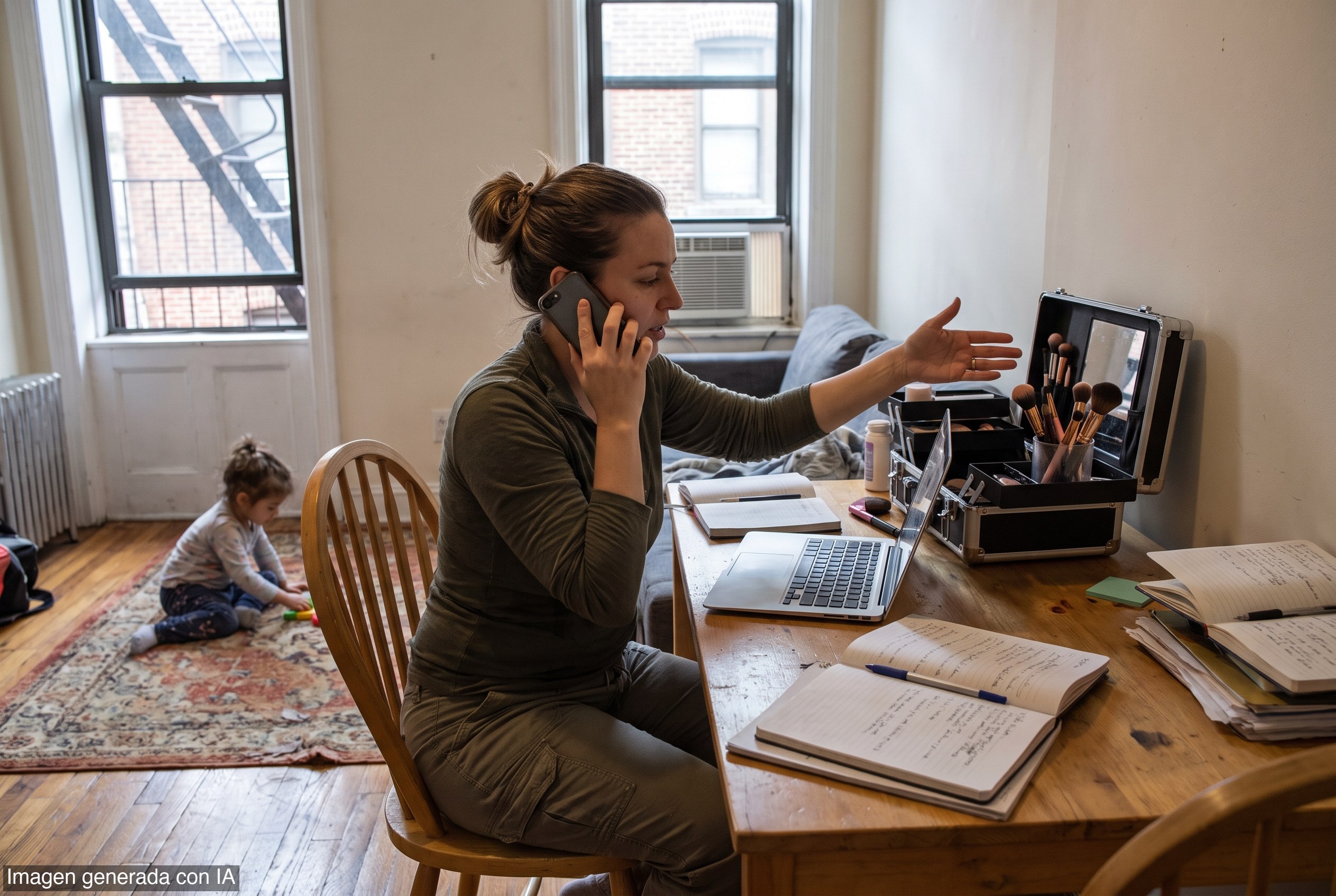
Violetta Kruglyak is 44, lives in New York City, and works two jobs: real estate broker and makeup and hair stylist. She moved to NYC in 2011, raises her 17-year-old son as a single mother, and works at luxury residential and commercial brokerage firm Nest Seekers International.
Her path into real estate came after a financial shock. In 2020, after losing her full-time job as a beauty advisor at Nordstrom, she went into credit card debt to make ends meet. She later signed up for a broker’s license course after watching the first episode of 'Owning Manhattan' and entered the industry in 2024.
The math is simple: real estate income can be slow and unpredictable. Kruglyak said it can take two months to a year between starting a deal and finally closing it and getting a commission. 'It's a lot of cold calls. It's a lot of rejection,' she said. That timing makes cash flow inconsistent, especially for people still building a pipeline.
Her beauty work helps smooth the gaps. She charges $200 for a makeup look and around $1,000 per day to help out at a photo shoot. She said her weekly calls and referrals for makeup jobs help sustain her while she focuses on growing as a broker, and some beauty clients have become real estate clients.
Income still swings hard. Kruglyak said one month can bring in up to $10,000, while another can be 'hardly $4000.' To manage that volatility, she saves as much as possible from each paycheck and plans months in advance. 'I'm growing, so I'm not as stable financially, but I already can see it's definitely better,' she said.
Housing costs remain a central pressure point. Kruglyak pays around $2,900 for a 2-bedroom apartment in Coney Island with an ocean view, has converted it into a 3-bedroom apartment, and sometimes rents out the extra room. She said that rent keeps her from moving elsewhere, even though she has considered Manhattan.
New rules have also changed the business. Kruglyak said the FARE Act, which banned the formerly common practice of tenants being on the hook for broker fees, took effect in June 2025. She said it has become easier for brokers to collect fees directly from landlords, though she has also seen more rental units, especially well-priced ones, come off the market.
Rents are moving up too. Kruglyak said that last summer she could find a studio for about $2,600, but now the same size unit in Manhattan is about $3,500.
For founders and operators, her story is a familiar one: multiple income streams, strict discipline, and no room for complacency. In a city where one bad month can wreck your runway, the people who last are the ones who keep selling, keep saving, and keep their options open. That is not glamour. That is survival through margin management.