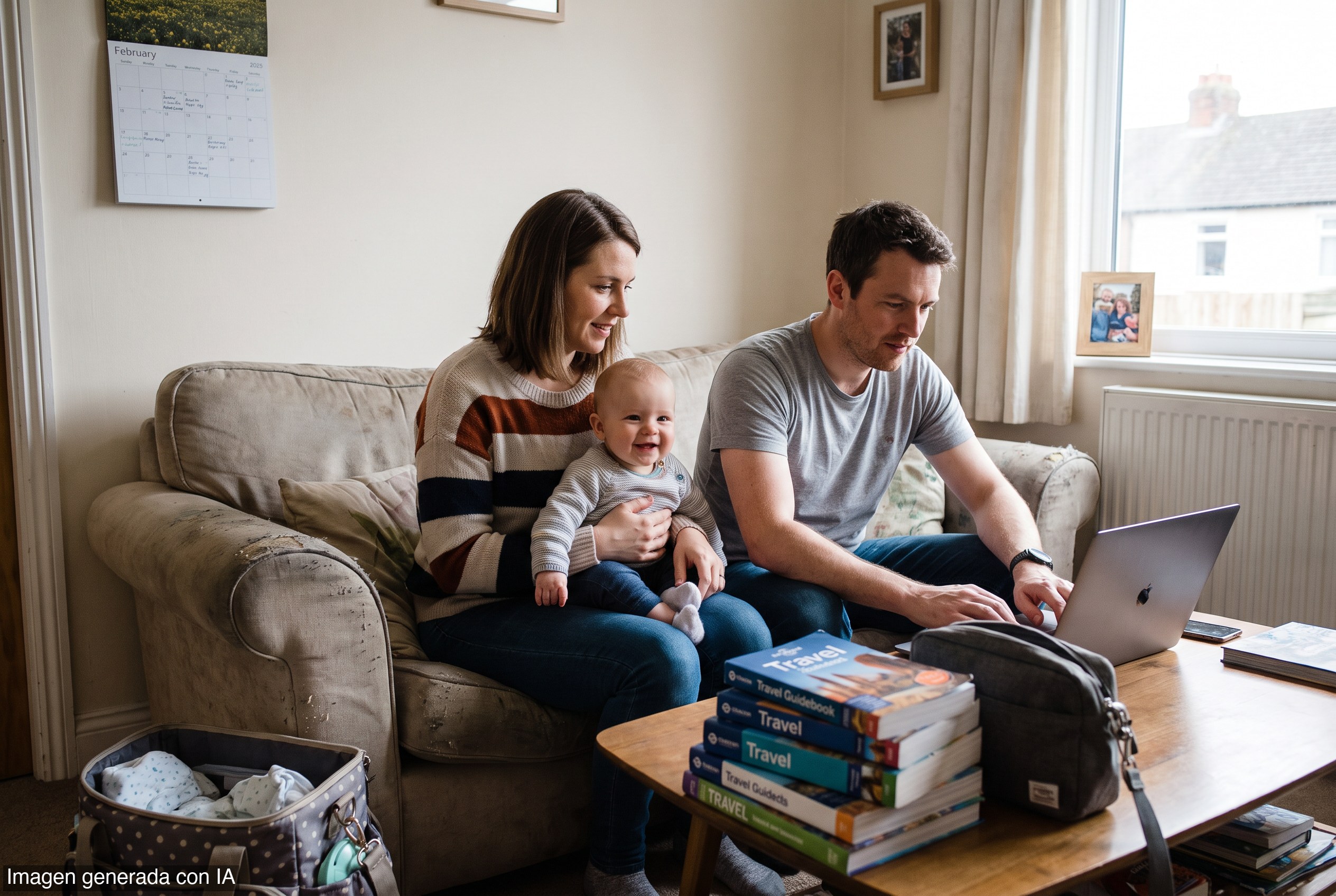
The fear every high-earning couple has before kids
Renate Flanagan and her husband had the DINK playbook dialed in. Established careers, PTO to burn, and during one 12-month stretch, a trip every other month — Acadia, Arizona, Joshua Tree, four national parks in Washington State, a 14er attempt in Colorado.
Before trying to get pregnant, Flanagan planned a 'last hurrah' road trip through Mexico: Mayan ruins, cenotes, agave beverages. Once expecting, she squeezed in two more hiking trips — the Canadian Rockies, Zion, and Bryce Canyon — before her due date.
The week before she gave birth, a mother of a toddler looked her 'dead in the eye' at dinner and said, 'Enjoy this, because you're never going out to eat again.' It was exactly what Flanagan feared.
What the data from her own life showed
She was wrong — or at least, the doom was overstated.
Her son took his first hike at three weeks old. In year one, he visited family in Atlanta, hiked in Oregon, saw fall foliage in New England, spent Christmas in Belgium, and played in sand dunes in Saudi Arabia. He logged nine flights before turning two.
The travel volume held. The overhead did not.
- Baggage: a car seat and baby hiking backpacks on every trip. - Schedule: nap windows have to be factored into every itinerary. - Daycare: $2,600 a month — roughly equal to the family's rent. - Sleep: gone for the first year; mornings now start at daybreak. - Date nights: one fancy dinner a month as a couple, down from a more fluid pre-kid rhythm.
Personal time got harder. Flanagan and her husband now protect one or two individual activity slots per week for each other.
The founder takeaway
This is a resource-allocation story, not a lifestyle eulogy. Flanagan's experience maps cleanly onto what founders learn when they scale: adding a major new commitment doesn't have to kill your core operating model, but it will surface every inefficiency in your budget and your schedule.
The $2,600 daycare line is the number that matters. For dual-income households in major metros, that cost is closer to a second rent than a rounding error. Founders planning a family should model it the same way they model a new hire: real headcount cost, real impact on runway, real trade-offs on discretionary spending.
The couples who keep their lifestyle intact after kids — Flanagan included — aren't lucky. They're deliberate. They protect the systems (shared calendars, individual recharge time, a travel fund) before the newborn arrives, not after. Start smaller than you think, build the infrastructure early, and the adventure doesn't have to stop.