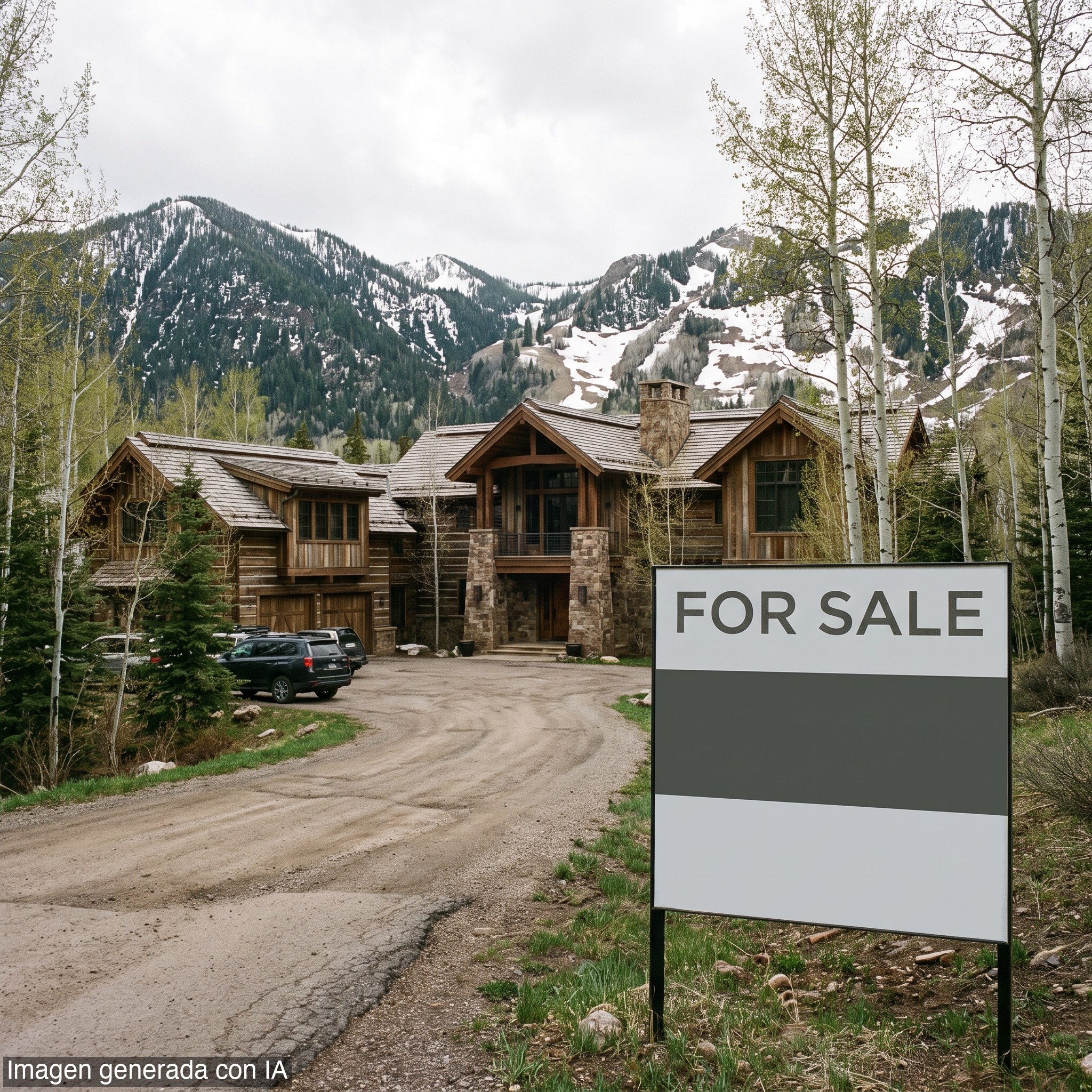
Bill Koch finally sold his Aspen, Colorado, compound, but the number fell far short of the $125 million he had wanted.
The winning bid was $33.5 million, according to The Wall Street Journal, which is a 73% drop from the property's peak asking price. Koch first put the ski-town estate on the market in 2015 for $100 million, then cut it to $80 million the following year. In 2025, he relisted it at $125 million, but it did not sell.
Koch bought the property in 2007 for $26.5 million and later added 31 acres. He sold those additional acres for $14.5 million in 2020. The remaining estate went to auction through Concierge Auctions in July and finally sold in July, after the auction route was used for the property.
The main lodge spans 16,600 square feet and comes with seven cabins, including a home gym. The broader property includes hot tubs, hiking trails and an altitude-acclimation room. The other buildings bring the total square footage to 25,277.
Koch tried other ways to monetize the estate before the sale. He previously tried renting out the main lodge for $300,000 a week. The property was also used as a dude ranch and an event venue before Koch bought it, according to Architectural Digest.
He had enough capital to play the long game. Koch sold his stake in Koch Industries to his brothers for $470 million in 1983, and Forbes puts his net worth at $2 billion.
For luxury real estate, this is the part of the playbook that matters: the market does not reward wishful pricing. Even an estate with mountain views, multiple cabins and a prime Aspen location can sit until the seller meets buyers where they are.
Founders and investors should read that the same way they read a weak revenue forecast. Asset values are not made on ambition alone. They are cleared by demand, and demand still has the final word.