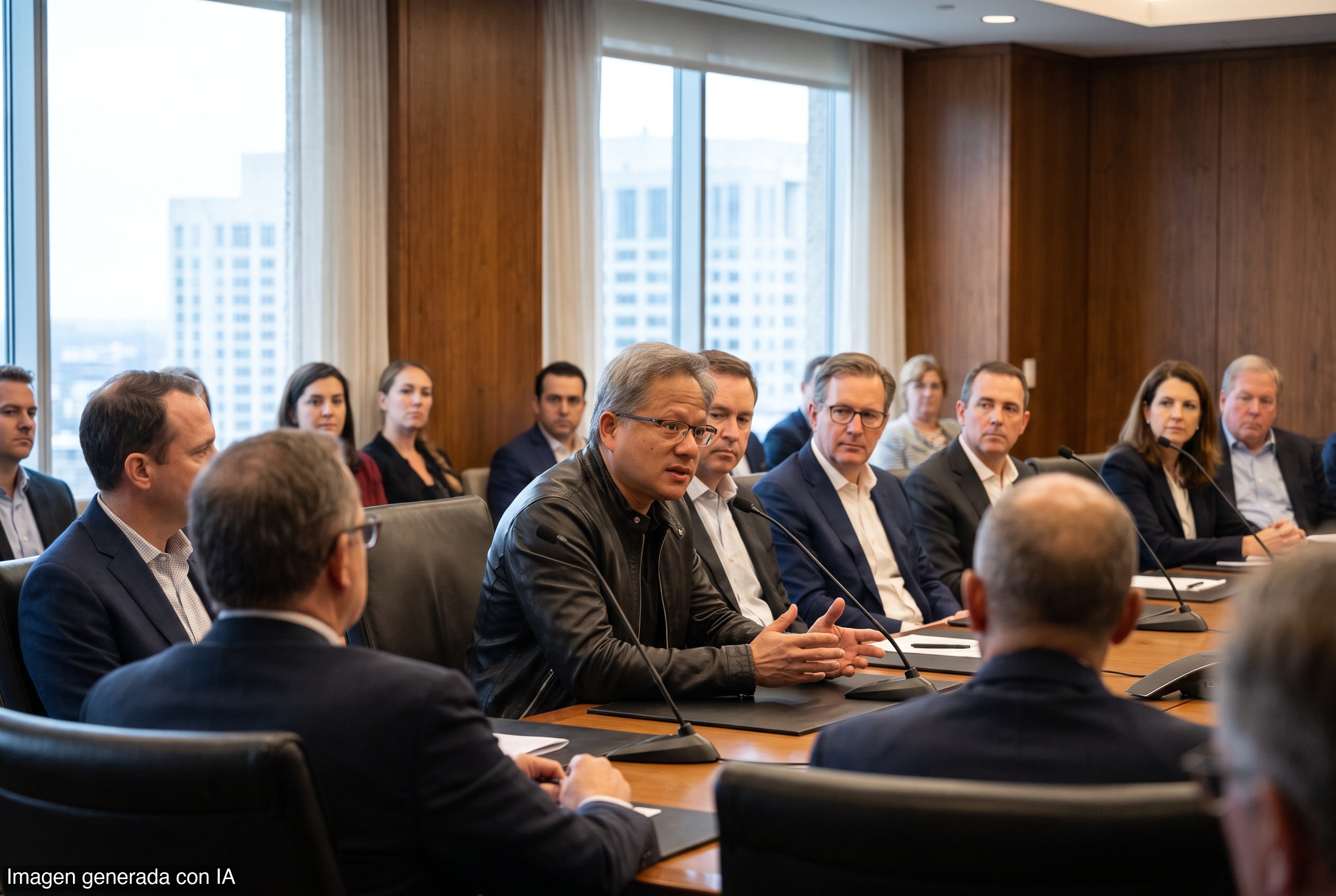
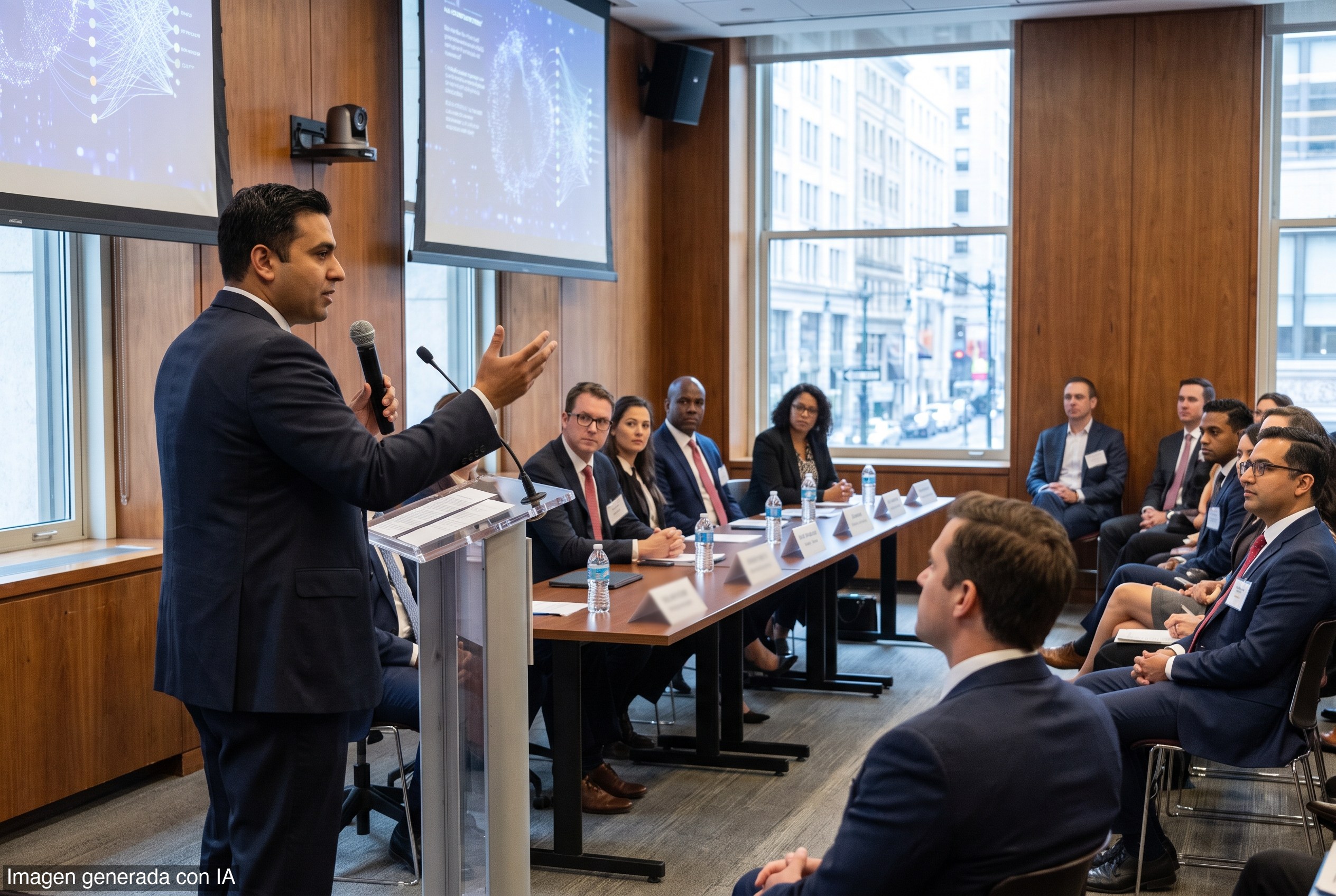
Anthropic's head of public policy, Sarah Heck, said AI companies cannot be expected to handle oversight and safety on their own.
Speaking Wednesday at Politico's Decoded Summit in Washington, Heck said she does not think artificial intelligence firms can manage those concerns by following an 'honor code.' 'We want to work with government to figure out what makes sense,' she said. 'We can't be checking our own homework, and that's very clear.'
Heck said Anthropic is talking to the White House on a 'daily basis' and has been working with Congress 'all year.' She said lawmakers are moving quickly, with 'a proliferation' of AI-related bills in the past two weeks.
The comments land amid a broader industry fight over how fast AI should advance. Anthropic CEO Dario Amodei recently called on the sector to deliberately slow the pace of model development, while saying that should not sacrifice 'commercial advantage or the United States' lead in AI.' Industry executives including OpenAI CEO Sam Altman, SpaceX CEO Elon Musk, and Google DeepMind Chair Demis Hassabis quickly backed that proposal.
Other major tech figures have pushed back. Nvidia CEO Jensen Huang said the industry does not need new laws or regulations. Meta CEO Mark Zuckerberg said Meta delayed the release of Muse, its personal AI agent, for 'several months to focus on safety and security.'
Heck also said the safety debate is not new inside Anthropic. She said those concerns were central to why CEO Dario Amodei and six other cofounders left OpenAI, and she added, 'Safety has been the core of who we are from the very beginning.'
The math is simple: when companies admit they cannot police themselves, the question shifts to who will. For founders, that means more rules, more scrutiny, and less room to treat safety as a side project.
It also shows how quickly AI has moved from a product race to a governance fight. The companies that can build trust without slowing their own execution may keep the edge. The ones that ignore the regulatory wave could find the administrative state setting the pace instead of the market.