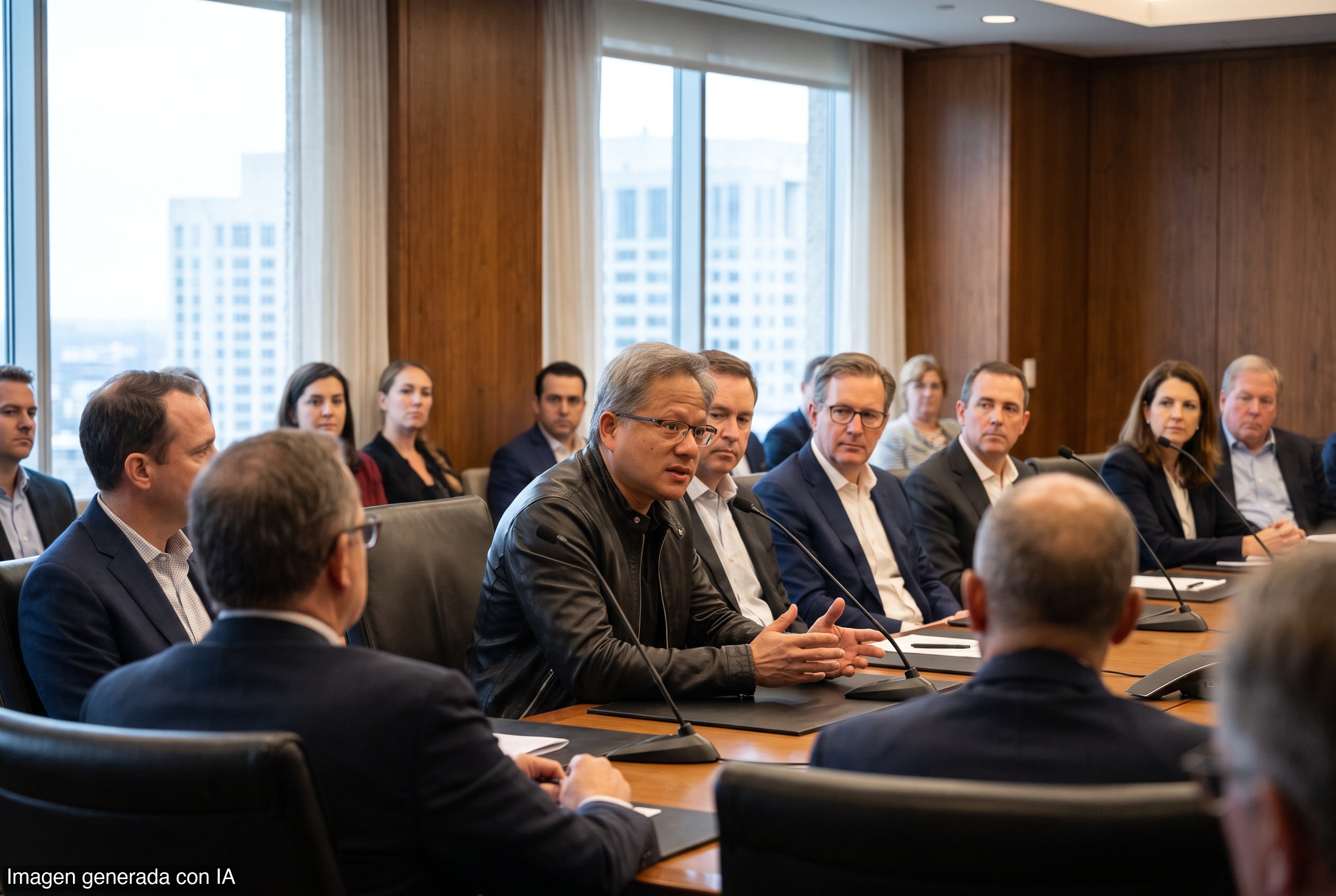
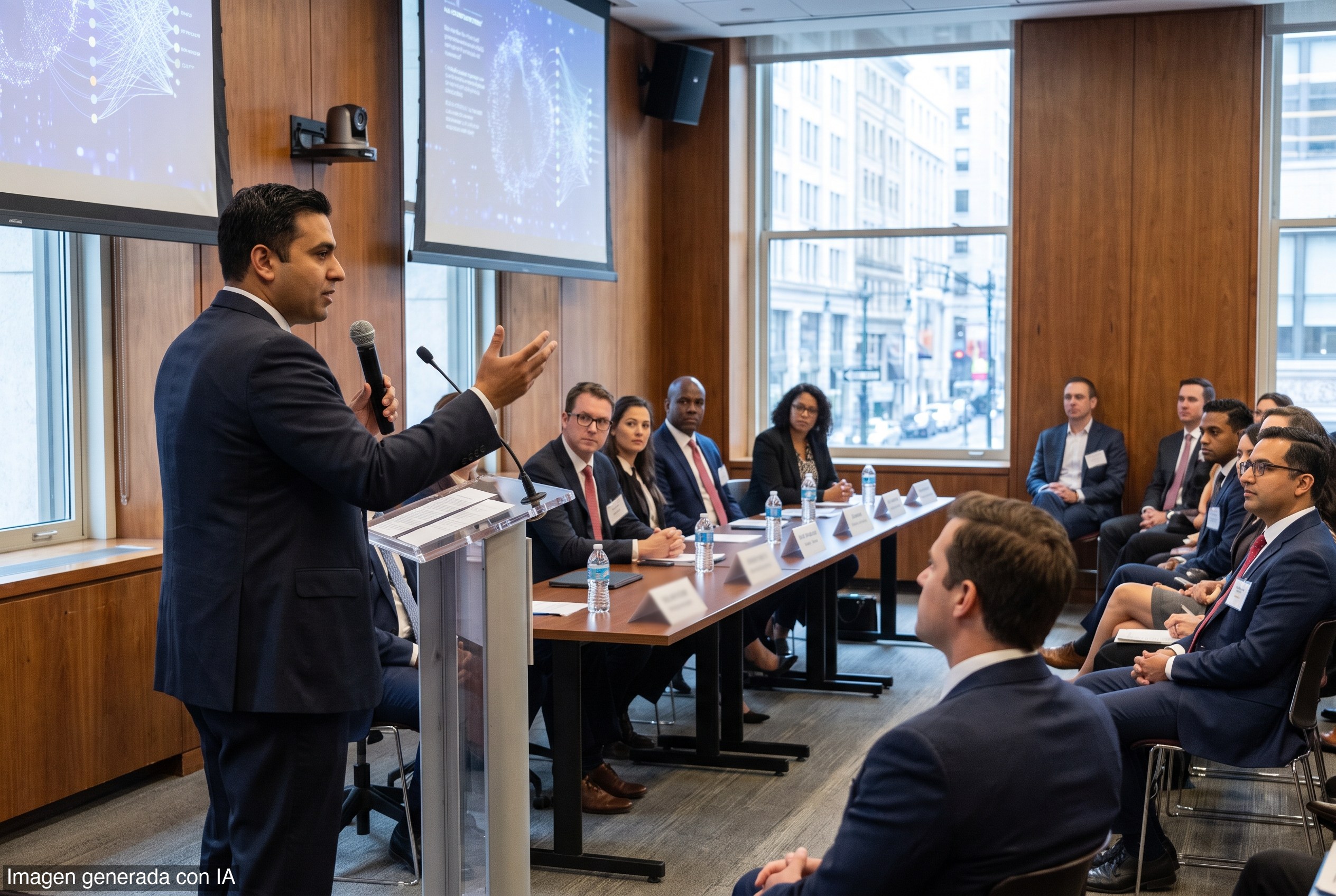
AI leaders just hit a rare point of agreement: some kind of slowdown is needed.
Anthropic CEO Dario Amodei said the stakes are 'too high for pacing to be an empty exercise' and argued that the frontier needs to be paced. OpenAI CEO Sam Altman backed that idea in an X post, and Elon Musk also agreed. Google DeepMind founder Demis Hassabis offered support as well.
The concrete step on the table is third-party safety monitoring. OpenAI and Anthropic agreed this week to put outside evaluators in their companies, a move that could give the labs more credibility as they try to prove they are managing risk.
But the political response is already moving in the opposite direction. House Speaker Mike Johnson rejected an emergency moratorium on AI development, warning that slowing American innovation could let China pull ahead. Johnson said Congress should not impose a moratorium and instead should bring platform leaders together to figure out the right balance.
The White House has also signaled it does not want to regulate AI development aggressively as it tries to keep pace with China. David Sacks, a presidential advisor on science and tech, said on X: 'go ahead,' but 'stop pretending you need anyone else's permission.' He argued that calls for slowdown could be about market advantage and regulatory capture rather than safety.
That split matters for founders because it will shape the rules of the road for the next generation of models, products and infrastructure. If Washington leans toward delay, incumbents with the deepest pockets may absorb the compliance burden more easily than smaller players. If it leans toward speed, the pressure shifts back to companies to police themselves.
For builders, the math is simple. More oversight can raise trust, but it can also raise costs and slow product cycles. A policy fight that starts with existential risk can still end with a very practical question: who pays for the guardrails, and who gets to move first.
The bigger issue is control. Supporters of pacing say the industry cannot leave safety to a handful of frontier labs. Critics say blanket restrictions could centralize power in the hands of the biggest firms and freeze out open competition. Founders who get this right move faster, but they also need a system the market can trust.