Costi Hinn says he grew up in a world of wealth: a nearly 10,000-square-foot home, an indoor hot tub, a pool, a steam room, a sport court, vacations to Hawaii and Europe, and luxury cars and watches. By high school, he says, he drove a Mercedes. Around age 20, he says, he had an H2 Hummer with custom rims and a $10,000 Breitling watch.
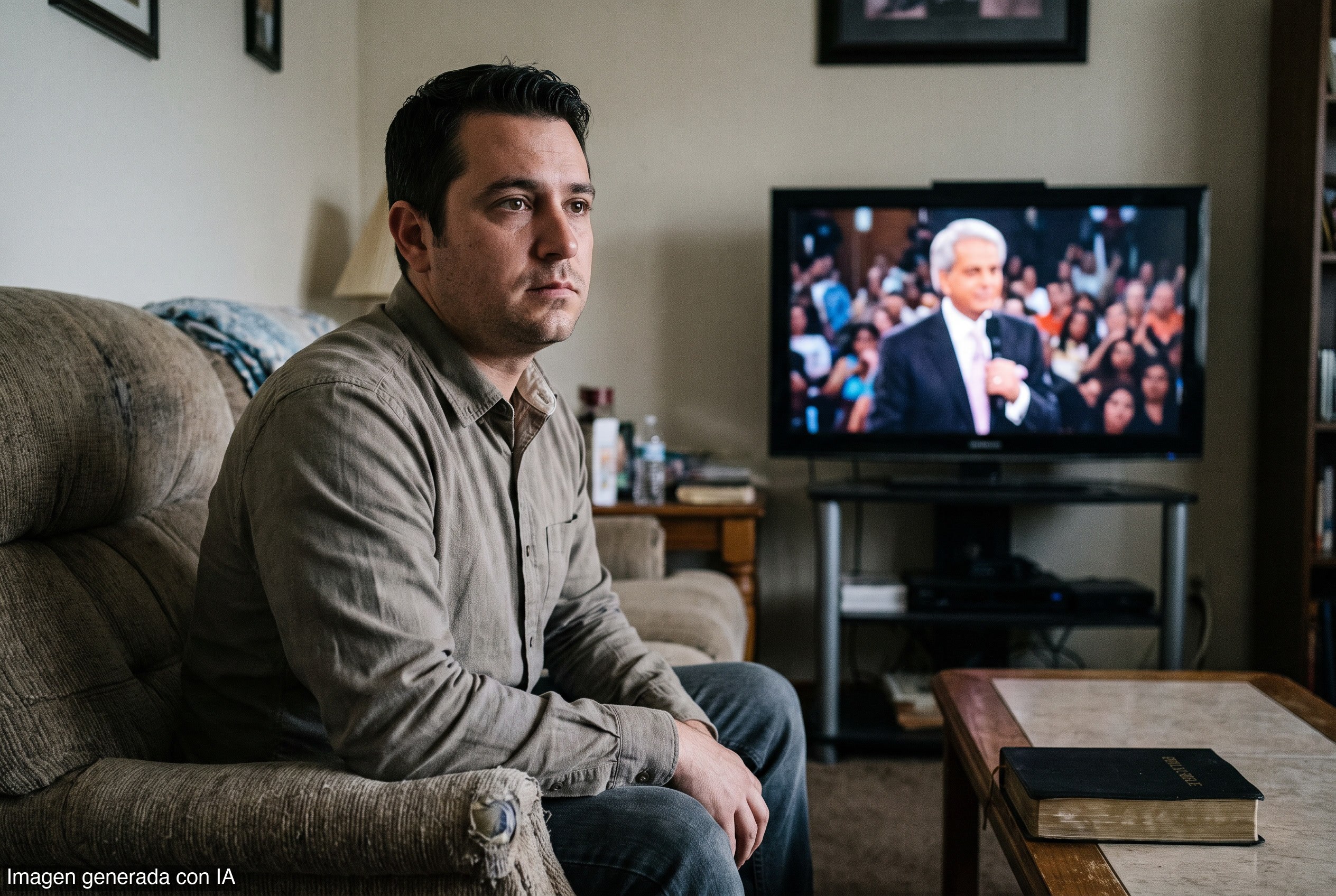
He is the nephew of Benny Hinn, the televangelist known for preaching in white suits and leading healing crusades before packed arenas. Costi Hinn says he once believed that wealth reflected God's favor and that faith, donations, and obedience would lead to healing and prosperity. He also says the message turned into pressure on sick people. If someone had cancer, an ailment, or infertility, he said, 'we would question your faith.'
After high school around 2003, Costi Hinn says he worked as his uncle's personal assistant and also served as a 'catcher' during healing crusades, helping lower people to the ground when they fell after prayer. He says that work changed his view. 'I started questioning when I was younger in my teenage years, why certain things didn't happen as they were said to have happened,' he said. 'What really got me was working for him and seeing everything behind the scenes and realizing nobody's really getting healed.'
Benny Hinn Ministries disputes Costi Hinn's account. The board says his limited logistical role did not give him meaningful insight into healing services, fundraising, or policies. The ministry also said his depiction of Benny Hinn and the organization was false and questioned his motives.
The ministry has long faced scrutiny. HBO and CBC investigations questioned its healing claims and financial practices. The IRS opened a tax inquiry in 2004. Later, the office of Sen. Chuck Grassley reviewed the ministry as part of a broader look at televangelists' finances and governance. That review was not criminal, and Senate staff said Hinn cooperated and made 'significant reforms.' In 2017, federal agents searched the ministry's Texas offices, though authorities did not publicly disclose the focus or outcome. Benny Hinn has not been charged with a crime.
Today, Costi Hinn runs For the Gospel, an online Christian resource ministry. He says it operates on an annual budget of about $700,000 to $800,000 and files a Form 990. Churches, including Benny Hinn Ministries, generally are not required to file one. That gap matters. When organizations can take in huge sums while disclosing less than many nonprofits, donors are forced to trust the brand instead of the books.
The bigger lesson is simple. Free enterprise rewards transparency because customers and donors can compare claims with results. A ministry that asks for money while offering little public accountability is not just selling faith. It is selling trust without much market discipline. Founders who get this right move faster. Institutions that don't eventually pay for it.