Osahon Aburime opened the Lyft app on Mother’s Day last year to make some money.
That day, the North Carolina driver says he made about $80 for a dinner with his wife and a gift for his mom. On the way to pick up a passenger, he got into a car accident.
'All of a sudden, I just saw this car in front of me, so I stepped on my brakes,' he said. 'We just ran into each other.'
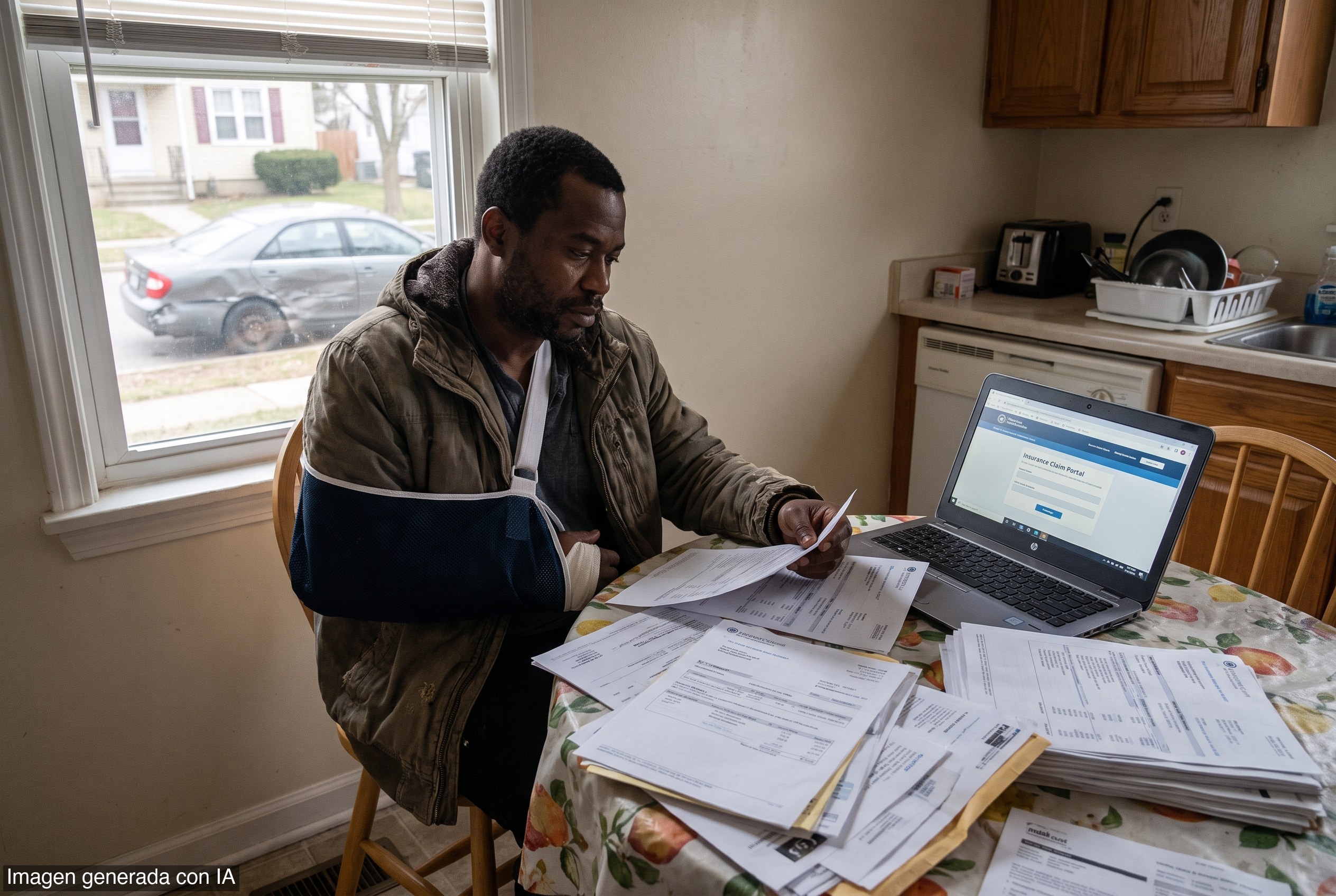
Sixteen months later, Aburime says he uses a cane to walk and has tried unsuccessfully to return to ride-hailing work. Before the crash, he said, he typically made around $1,700 a month on Lyft. That income helped support his family, along with his wife’s job at an eye clinic.
Since the accident, he said he has not been able to earn money. He fell behind on payments for his minivan, which his lender repossessed earlier this year, according to a notice seen by Business Insider.
He has also been fighting for a payout from Mobilitas, the company that provides ride-hailing insurance to Lyft. A day after the crash, Mobilitas denied his claim, according to the insurance documents he provided.
The denial included incorrect details about the accident, including the wrong time, according to a letter from North Carolina’s insurance department. It also suggested that Aburime was not on his way to pick up a passenger when the accident happened, something he denies.
Mobilitas has since corrected some of the details but has continued to deny the claim. The company did not respond to a request for comment.
Aburime said the North Carolina Department of Insurance told him to look for a lawyer, but he says he cannot afford one. The fight over coverage has also taken time away from recovering and looking for other work.
Lyft said in a statement that 'Safety is fundamental to Lyft and it is our goal to make every ride safe, comfortable and reliable.' The company added that it maintains auto liability insurance that meets local and state regulations.
The math is simple: when a driver is treated like a contractor, the risk of an accident can become a personal balance-sheet problem. The worker loses income first, then faces the paperwork, the delays, and the legal bill.
For founders, the playbook is obvious. If a platform depends on gig workers to generate revenue, then coverage that actually pays out is not a perk. It is part of the deal.