You can break a lot of design rules. These eight, according to working interior designers, are not the ones to test.
Let curtains hit the floor. Lauren White, owner and principal designer at Ellen W. Interior Concepts, puts it plainly: 'Curtains that are too short are like wearing high-water pants.' Floor-length curtains make a room look larger and more polished. The only real exceptions are windows above a sink or bathtub.
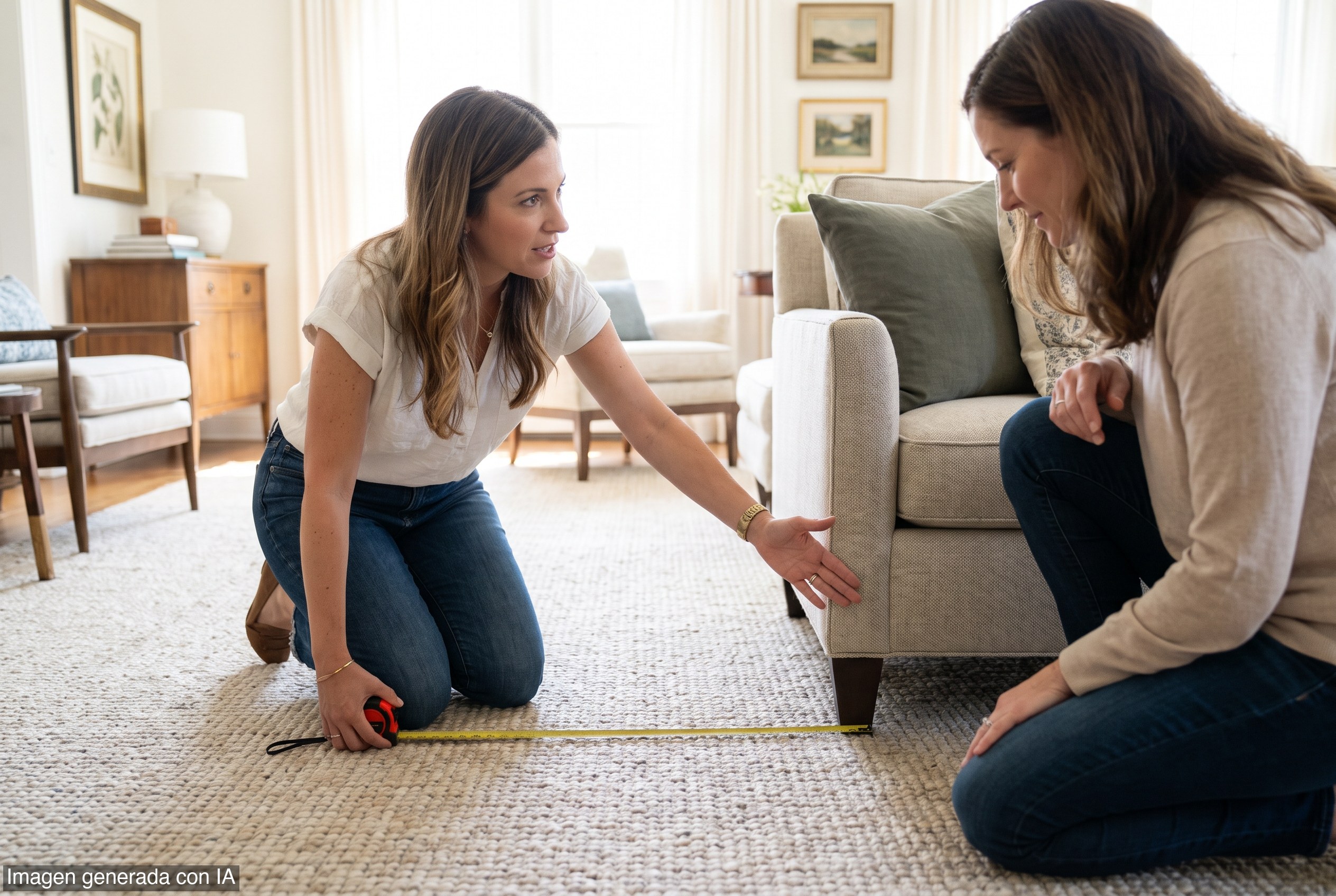
Size your rug correctly — or skip it. A rug that is too small actively hurts a space instead of helping it. White's minimum standard: the rug should sit under the front legs of every furniture piece in the grouping. If budget forces you to go smaller than that, she says you are better off buying no rug at all.
Measure before you buy. White recommends cutting out the footprint of any furniture piece in blue painter's tape on your floor before you purchase. It costs nothing and saves you from an expensive mistake.
Buy for function, not just looks. Gena Kirk, vice president of design at KB Home, says pieces that look great but create clutter undermine the whole room. Prioritize storage. A beautiful space that cannot be lived in is not a successful design.
Layer your lighting. A single source of recessed light flattens a room's ambiance. Kirk recommends combining pendant lighting, chandeliers, or wall sconces to soften the overall effect and create a welcoming environment.
Play it safe on permanent fixtures. Kirk tells clients to stay conservative on countertops, cabinets, and built-ins — items that are expensive and disruptive to replace. Chase trends through backsplashes, cabinet hardware, and small furniture pieces instead.
Hang art at eye level. Sara Ray, owner of Sara Ray Interior Design in Nashville, says art is 'commonly hung too high.' The sweet spot is 57 to 60 inches above the floor. It holds true, she says, in almost every situation.
Mix your sources. Buying everything from one retailer makes a room feel like a showroom floor. Ray recommends pulling from multiple sources and different eras — mixing vintage and new pieces so the space feels 'collected' rather than assembled.
---
The throughline here is simple: good design is mostly about avoiding expensive, fixable mistakes. Measure first. Size your rug right. Layer your light. These are not aesthetic opinions — they are operational decisions that protect your investment in your space.
For founders who work from home or build out offices, the same logic applies to any environment where clients or teams spend time. A well-designed space signals competence and intentionality. The cost of getting it wrong is not just aesthetic — it is the impression you never get back.