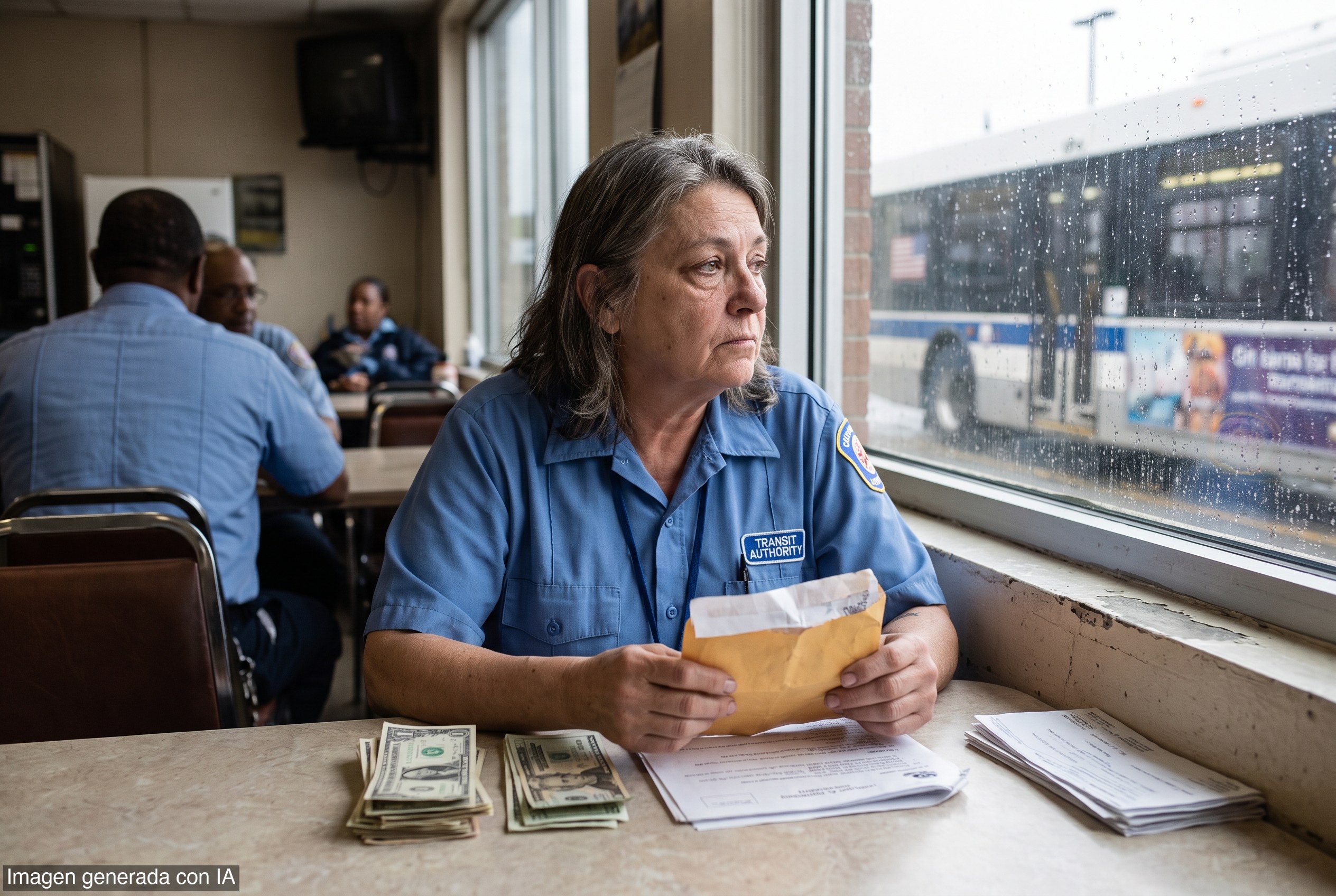
The side hustle is no longer a survival move for the working poor or a vanity project for high earners. It has gone squarely middle class — and the numbers back it up.
The share of Americans holding a side hustle climbed from 19% in 2017 to 27% in 2025, according to a Bankrate survey. That is not a rounding error. That is roughly one in four workers running a parallel income stream alongside their primary job.
Who is actually doing this
Before the pandemic, low-, middle-, and high-income earners held multiple jobs in roughly equal proportion, according to an analysis from the Richmond Federal Reserve. That parity is gone. Middle-income earners are now significantly more likely to hold multiple jobs than lower-income workers, and sit just below their higher-earning peers.
College-educated workers tell the same story. In the 1990s, they made up around 35% of multiple jobholders. By 2024, they made up over half, per the Richmond Fed analysis.
Women are accelerating the trend. Bureau of Labor Statistics data shows the number of women holding multiple jobs has increased in recent years, with the gender gap in multiple jobholding widening — particularly among women aged 20 to 24.
Why it matters for your business
If you are a founder, this shift has two direct implications.
First, your talent pool is moonlighting. The skilled, college-educated employee you hired full-time is likely running something on the side. That is not necessarily a problem — but it is a reality to manage. Retention conversations need to account for it.
Second, your customer base is changing. A growing cohort of middle-income, educated workers now has discretionary income from a second stream. They are also more financially anxious than their credentials suggest. Products and services that reduce friction, save time, or protect income will resonate with this group.
The Richmond Fed data and BLS figures also likely undercount the full picture. Official multiple-jobholder rates measure workers who hold at least one traditional wage job — gig work and freelance income fall outside that count.
The editorial read
This is what a labor market looks like when workers stop trusting institutions to protect them. White-collar layoffs attributed to AI, a job-switching market that workers describe as riskier than ever, and women shedding jobs in recent months — all of it points to individuals building their own safety nets rather than waiting for an employer or a government program to provide one.
That is, frankly, the right instinct. Self-reliance and multiple income streams are not signs of a broken economy — they are signs of an adaptable workforce doing what free people do when conditions shift. Founders who build tools, platforms, or services for this new class of parallel earners are sitting on a large and growing market.