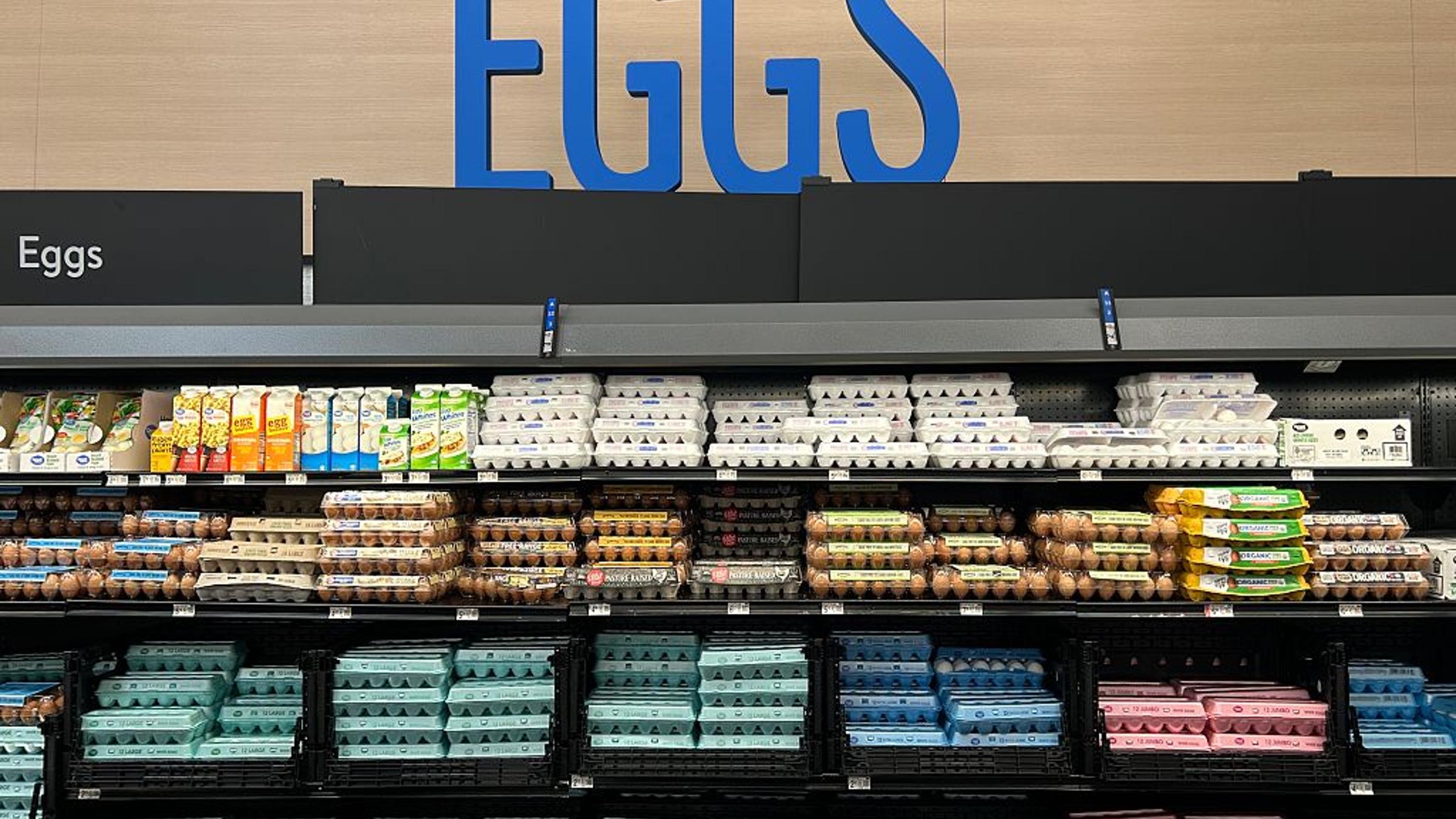
The U.S. Food and Drug Administration upgraded a salmonella-linked egg recall to Class I — its highest possible risk classification — on Wednesday. That designation means the agency has determined there is 'a reasonable probability that the use of or exposure to a violative product will cause serious adverse health consequences or death.'
Nearly 1.6 million dozen eggs are affected.
What triggered the upgrade
Midwest Poultry Services initiated the original recall on July 22, covering approximately 19 million eggs produced at farms in Texas between June 6 and July 3. Samples collected at those farms tested positive for salmonella, and genetic sequencing confirmed some matched the outbreak strain. The FDA upgraded the risk classification three weeks later.
The CDC has linked the eggs to at least 98 infections across 17 states. Twenty-six people have been hospitalized. No deaths have been reported.
Check your fridge now
The recalled eggs carry sell-by or best-by dates between July 20, 2026, and Aug. 17, 2026. They were distributed to Arkansas, Louisiana, Mississippi, New Mexico, Oklahoma, and Texas, and sold under these brand names: Country Morning, Cal-Maine Sunups, Brookshire's, Simple Truth, and Kroger.
Look for the codes P-1950 or 0840962 with a Julian date between 157 and 184. If you find them, throw them out or return them for a refund. The FDA also advises washing hands, utensils, and surfaces with hot, soapy water before and after handling raw eggs.
One important caveat: the FDA said in a July 24 update that Midwest Poultry Services 'does not account for all the illnesses in this outbreak.' Additional investigation is ongoing.
A broader food-safety picture
This recall does not stand alone. A separate salmonella outbreak linked to jalapeños has now infected 345 people across 27 states, with 36 hospitalizations. Several ill individuals reported eating recently at Chipotle or Qdoba. Both chains have pulled potentially contaminated jalapeño products. Taylor Farms issued a related recall on Aug. 9 for jalapeño-containing products distributed to retailers including Kroger, Target, and Whole Foods across more than half the country.
Meanwhile, a backyard poultry salmonella outbreak has reached 814 cases in 44 states as of July 27.
The bottom line for founders
Food-safety failures are supply-chain failures — and they move fast. The Midwest Poultry recall sat at a lower risk tier for three weeks before regulators escalated it. That lag is a reminder that the first public signal is rarely the full picture. If your business touches food distribution, catering, or employee wellness programs, build a verification step into your vendor protocols now, not after a Class I notice lands in your inbox. The cost of a proactive check is a fraction of the liability — and the reputational damage — that comes from being downstream of a recall you could have caught.