Tesla has started rolling out its latest driver-assistance software, and the most visible change is the dashboard. On November 21, the company opened limited access to FSD (Supervised) v15 to select customers. It is the first major consumer update in more than a year.
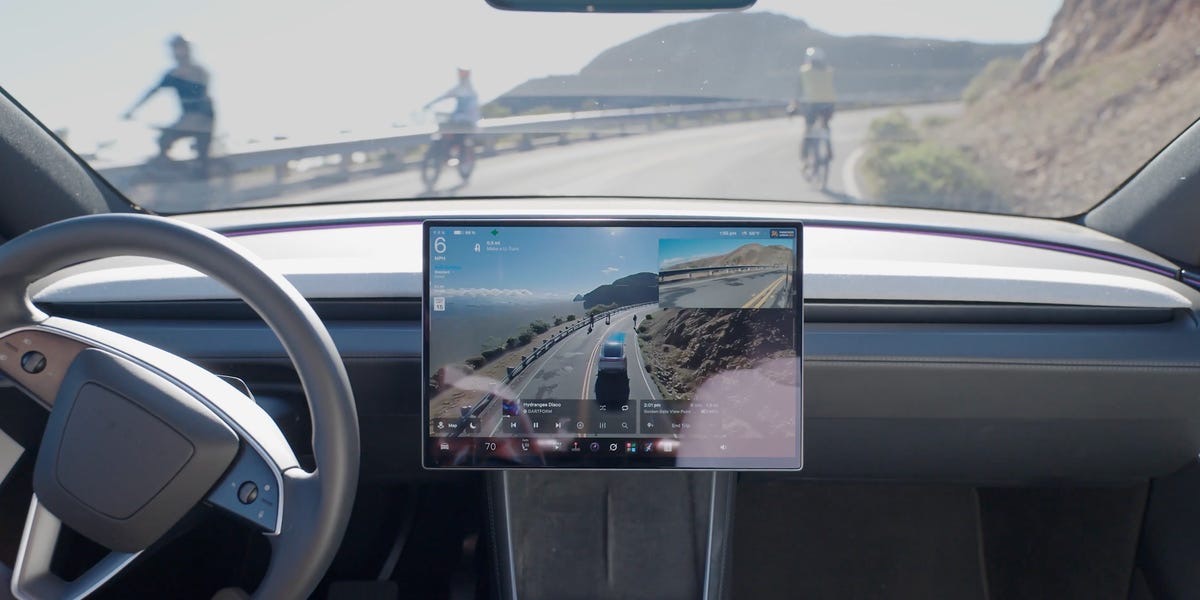
The headline feature is what Tesla calls Reality View. Instead of the old simplified car on a white road with gray blocks for nearby vehicles, the screen now shows surrounding traffic, crosswalks, buildings and floating arrows marking the route ahead. Elon Musk compared it to a video game, posting on X that it is 'like GTA' and that it is 'real-time AI video generation (no gaming engine!) using just half of one AI4 TRIP accelerator.' He explained that the car's cameras feed the same vision system that drives the vehicle, and that Tesla branches that visual information into a separate model that generates the view on screen.
Ashok Elluswamy, Tesla's VP of AI software, put a more practical spin on it. According to Elluswamy, the display 'communicates the intent of the car.' For a user, that matters. A driver who can see what the system plans to do is better positioned to trust it or to step in.
The rest of the update is more technical. Tesla says navigation for the start and end of trips now learns from fleet route preferences, with later releases expanding that to the entire route. Drivers should also see better detection of signs, animals, debris and potholes, along with smoother speed handling in school zones and bad weather. FSD can now slow for speed cameras, and a new Bike Rack Mode lets owners use FSD with bike racks or similar hitch accessories.
The number that deserves the most scrutiny is the claim of 25x better handling of safety-critical cases. Tesla has not explained that metric or released supporting data. For a founder, that is the line to underline. A claim this big, without a baseline or methodology, is a marketing assertion until the evidence arrives.
There is also a boundary the company itself keeps. FSD remains a supervised driver-assistance system. Drivers must keep their eyes on the road and be ready to take over if the system makes a mistake. A prettier interface does not change that responsibility.
Why does this matter beyond the car? Because the bet here is that a product's interface can build confidence faster than its performance data can. Tesla is showing customers the machine's reasoning in real time, which is a smart move for adoption. The cost is that the story now rests on the visuals, and the taxpayer-funded and regulatory scrutiny that often follows autonomous technology will focus on the evidence, not the graphics.
Here's the playbook takeaway: when you ship a feature that customers must trust, make its logic visible, and publish the numbers behind your claims. If you cannot show the baseline, expect the skeptics to do the math for you.