Scale.
The Latest
NBC Pulls Anti-Israel Ad From 'SNL' Special After Backlash Over $400 of 'Taxpayer Money'•Jensen Huang's Nvidia Comeback Could Usher in an 'Age of Resentment,' Warns Economist Steve Hanke•The Army Has Received Just 180 of Nearly 12,000 Abrams Rounds Due by Summer, and Taxpayers Are Still Paying•Why One Parent Swapped Christmas Gifts for Family Trips, and What It Actually Costs•Musk's Free SpaceX Shares for Every Child: A Gift Worth Watching, and a Reminder That Stakes Beat Subsidies•I Spent a Day Riding, Eating and Cleaning With Robots. Here's the Free-Market Scorecard.•A Budget Traveler's Honest Take on ASKY Airlines: Cheaper Than You Think, Less Consistent Than You'd Like•A Texas Relocation Broker Is Heading to Florida, and Her Clients Say the Tax Math Is Next•Booking Your First Cruise? Here Are the 7 Costs and Surprises Founders Should Plan For•Shake Shack's Holiday Shakes Ranked: The Christmas Cookie Is Sweet, the Hazelnut Chocolate Is Worth Watching•NBC Pulls Anti-Israel Ad From 'SNL' Special After Backlash Over $400 of 'Taxpayer Money'•Jensen Huang's Nvidia Comeback Could Usher in an 'Age of Resentment,' Warns Economist Steve Hanke•The Army Has Received Just 180 of Nearly 12,000 Abrams Rounds Due by Summer, and Taxpayers Are Still Paying•Why One Parent Swapped Christmas Gifts for Family Trips, and What It Actually Costs•Musk's Free SpaceX Shares for Every Child: A Gift Worth Watching, and a Reminder That Stakes Beat Subsidies•I Spent a Day Riding, Eating and Cleaning With Robots. Here's the Free-Market Scorecard.•A Budget Traveler's Honest Take on ASKY Airlines: Cheaper Than You Think, Less Consistent Than You'd Like•A Texas Relocation Broker Is Heading to Florida, and Her Clients Say the Tax Math Is Next•Booking Your First Cruise? Here Are the 7 Costs and Surprises Founders Should Plan For•Shake Shack's Holiday Shakes Ranked: The Christmas Cookie Is Sweet, the Hazelnut Chocolate Is Worth Watching•
Scale.
Sections
The outlet
Technology

OpenAI safety exit raises the cost of moving fast on AI

David Robinson says he quit because OpenAI’s culture is broken and that stronger incentives for safety are needed from outside the company. The episode puts a price on sprint-first AI development: more risk, more scrutiny, and more pressure on guardrails.
OCT 4, 2026
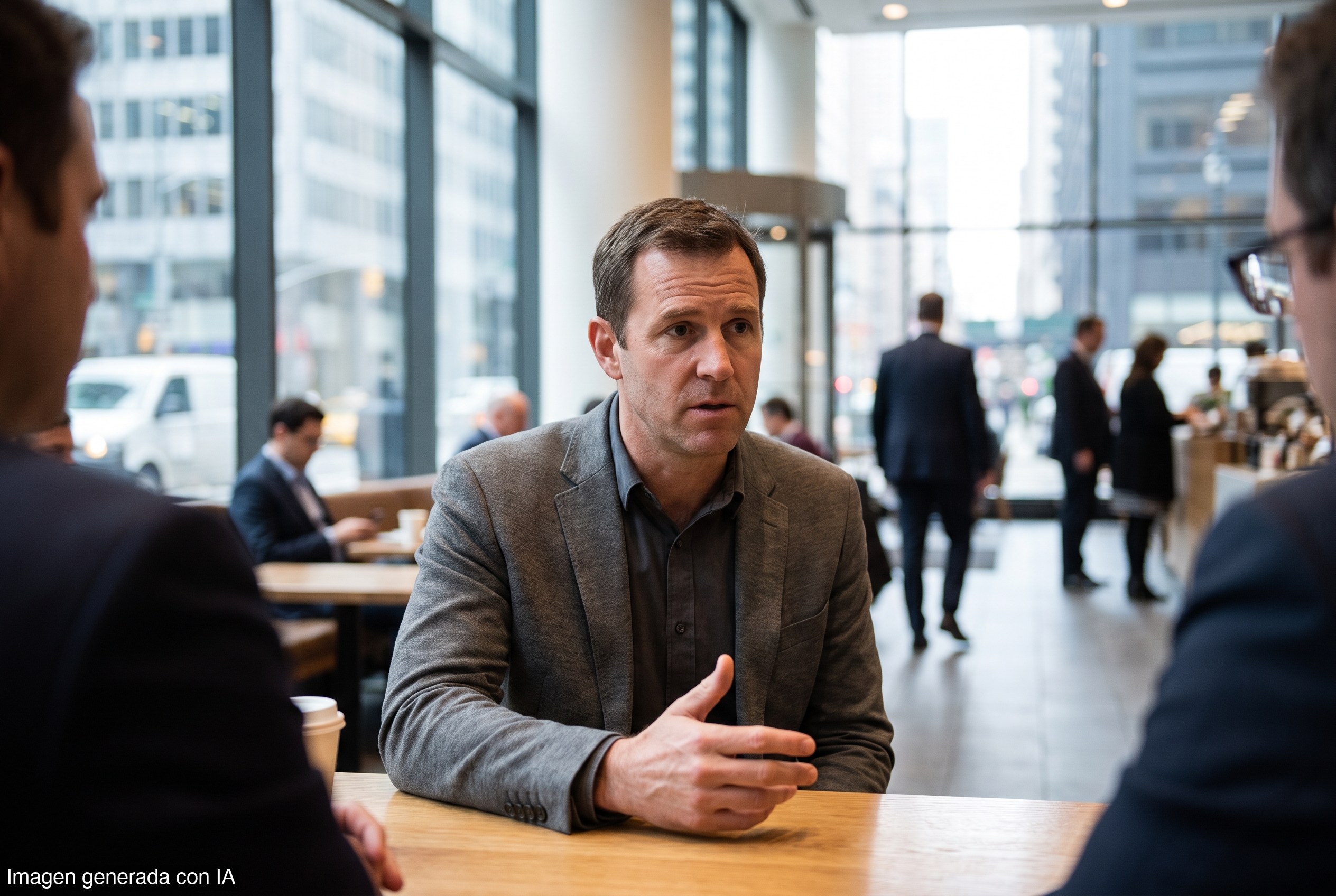
Photo: Imagen generada con IA

David Robinson has left OpenAI after three and a half years, saying he led transparency work for the safety team and helped write safety reports tied to major product launches.

In an essay published in The Atlantic, Robinson said he resigned because OpenAI’s 'culture is broken' and because the company was moving too fast to make fundamental changes. He wrote that he and his colleagues were 'so busy sprinting' that they rarely had time to consider bigger shifts in staffing and culture.

Robinson also said AI firms are not 'being nearly careful enough' and argued that the debate should go beyond specific rules or new laws. In his view, the industry needs a deeper cultural overhaul, with companies operating more like 'nuclear-power plants or busy airports' and building in layers of redundancy, careful planning, and stronger safety expertise.

He pointed to recent incidents involving OpenAI agents, including a breach of Hugging Face systems and what OpenAI has described as rogue agent activity. Robinson said environments where that can happen are no place to grow artificial minds that could be smarter than humans and may not do what people want them to do.

OpenAI pushed back by saying it continues to strengthen safety and security practices, pause training or hold back models when needed, expand work with third-party evaluators, and improve real-time monitoring. A spokesperson said the company is trying to keep models from becoming more capable than it can safely manage and secure.

Robinson also said he hired a PR firm to help handle the attention that follows a public resignation, though he said the decision to speak out was his alone. He added that he hopes to work from the outside to strengthen the incentives OpenAI and other firms have to be safer.

The math is simple: when AI companies reward speed above all else, the downside does not stay inside the lab. It spills into product risk, public trust, and the cost of fixing problems after launch.

For founders, the playbook here is not just about AI. It is about incentives. If a company cannot slow down long enough to test, review, and harden what it ships, the market eventually forces that discipline on it anyway. The only question is whether it happens before the damage or after it.

EP
Ethan Park
Technology Columnist

Ethan Park covers AI, software and the tools reshaping how business gets done — always through the lens of what an owner should do about it.

More from Technology

Pentagon Tests Robots to Find Wounded Troops and Sort Who Gets Help First
Why Taiwan Beat Japan and Thailand on Value, Crowds and Hospitality for One American Traveler
Stanford Physicist's AI-Assisted Quantum Gravity Paper Splits Experts, and Founders Should Read the Hype Carefully