Here's the playbook for anyone hiring, mentoring or raising the next generation of workers: let people try the work before they commit to it.
The story comes from a father whose hometown formed a new sister-city relationship with Rueil-Malmaison, a suburb of Paris. During a visit to the Centre de Formation d'Apprentis, a technical school, he was struck by a program that translates to English as 'interior painting' but is better captured by its French title, 'finition.' The work covers nearly everything needed to make a space livable: painting, drywall finishing, flooring, decorative finishes and interior design.
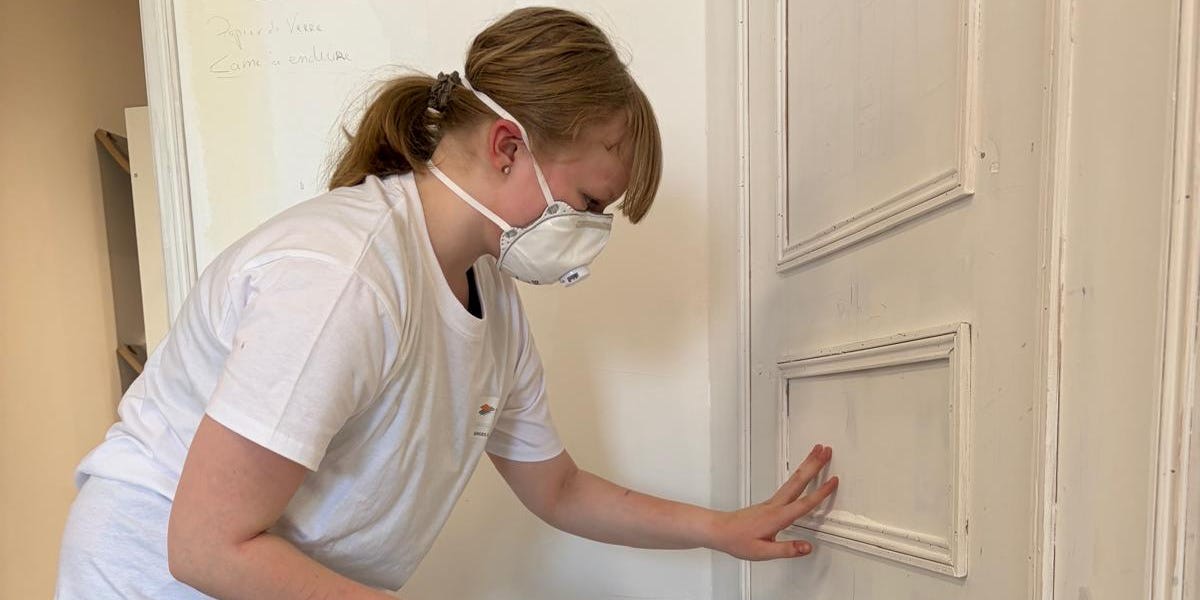
His 15-year-old daughter spent two weeks on what the school calls a 'short-term apprenticeship.' She worked alongside experienced tradespeople in a foreign language she had only studied in high school. According to her father, she created faux-stone walls, helped lay flooring, decorated and installed candelabras, and mounted a small angel statuette above a window. She got a first look at professional standards.
The result was clear. After two weeks transforming a small, unfinished room into a medieval-style chamber, she concluded that finishing work was not for her. Her father calls that the most valuable thing she learned.
That is the point founders should take. The math is simple: a real job, even a short one, is cheap information. Learning at 15 that a path does not fit costs a few weeks. Learning it after years of schooling and thousands of dollars in tuition costs a great deal more. Young people, he argues, discover work by working, not by picking a career on paper first. A college course or a career-interest inventory could never have answered her question. She had to do the work.
The program itself was broader than its label. The instructor, he said, spends hours on the history and context of the craft, teaches attention to detail, encourages students to learn from mistakes, and insists on pride in quality. Technical skill and the humanities were treated as parts of one education.
He is careful not to present a two-week trip abroad as a model. Few families can do that. His lesson is the opposite: young people need meaningful, low-stakes contact with real work close to home. Those experiences do not have to be international or long. They have to be substantive enough to show the actual work and the people who do it.
For founders, that is a hiring and talent insight worth acting on. Internships, job shadows and short paid trials are how you learn whether someone fits a role, and how a candidate learns the same thing about you. Build a short, real-work entry point into your hiring funnel. Your future team members will decide faster, and your churn in the first year will drop because the mismatch shows up on day five, not month nine.
The daughter now knows one thing she will not do for a living. She also knows what it feels like to walk into a workplace, learn from professionals, correct her mistakes and deliver work to someone else's standard. That is worth more than a guess.


