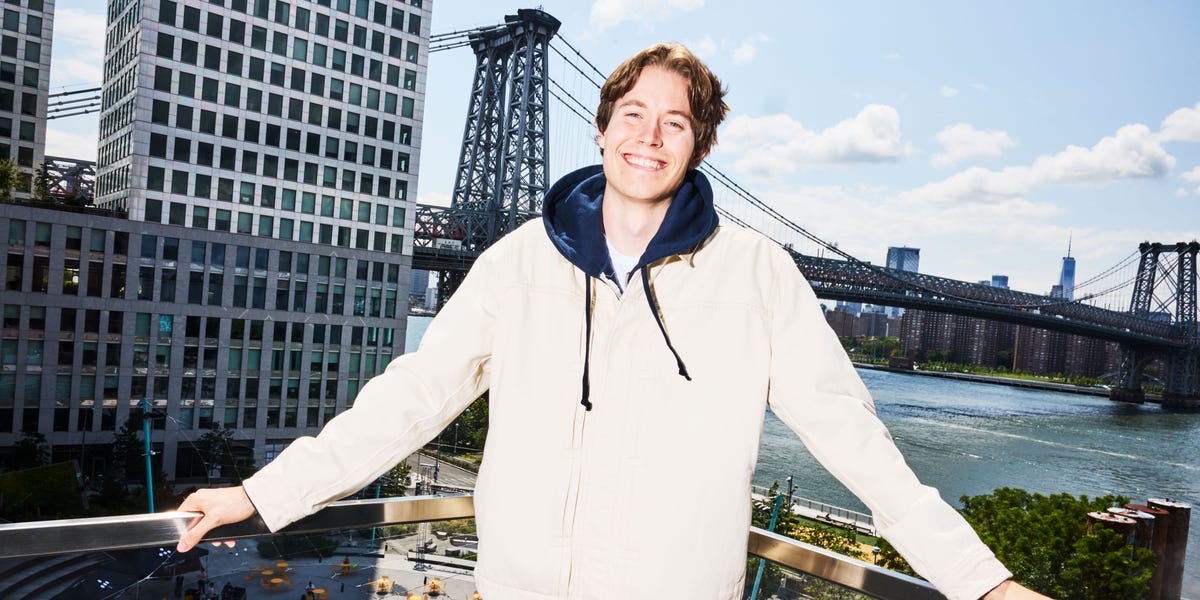
If you are deciding where to put your next office or where to recruit engineers, Williamsburg is worth a close look. Business Insider reports that the Brooklyn neighborhood has become a fast-growing hub for the tech sector, and the numbers explain why.
Between 2020 and 2024, nearly 9% of Williamsburg's employed residents worked in computer and mathematical occupations, more than twice the citywide share of about 4%. The neighborhood's median household income was roughly $149,000 over the same period, compared with $80,500 citywide. That is a talent pool with serious purchasing power, and it lives within walking distance of the office.
The shift did not happen by accident. Real estate developers, especially along the East River waterfront, lured startups with post-pandemic office deals and city tax benefits. Business Insider notes that the neighborhood had long been gentrifying, which meant the bars, galleries, and cafés that tech workers now crave were already in place.
The cast of characters is changing too. Hunter Dickinson, head of growth at the e-commerce startup Whop, which is backed by Peter Thiel and Sequoia Capital, described the neighborhood as having 'San Fran transplant' energy. Daniel Chesley, a principal at the venture capital firm Workbench, said he can spot tech workers by their thrifted clothes and Patagonia backpacks, and that their conversations on Bedford Avenue turn to 'AI, Anthropic, compute credits, Nvidia.'
Not everyone welcomes the change. Paul Butler, an engineer at Modal Labs who moved to Williamsburg after rents dropped in 2020, said he worries the neighborhood is becoming Silicon Valley all over again. 'I am one,' he said. 'I just wish that we would take the weekend off and not talk about work at coffee shops.'
Here's the playbook for founders: the talent is following the real estate, and the real estate is following the capital. If you locate near a cluster of creative and technical workers with high incomes, you shorten your hiring cycle and reduce the friction of in-person collaboration. Just budget for the rent that comes with that proximity.
The editorial reading is clear. When developers get tax breaks and cities court startups with incentives, taxpayers and existing residents pay part of the price, while the companies and their employees capture the upside. A free-market approach would let the neighborhood's own economy and the private market decide where companies go, without public subsidies picking winners. Williamsburg's transformation is a reminder that enterprise thrives when it is left to find its own footing, and that a neighborhood's character is best protected by the choices of the people who live and build in it.


