Walmart's flywheel seems to be gathering steam. The retail giant posted another quarter of strong sales growth, with total revenue of $188.8 billion, up 5.2% over last year and ahead of analyst expectations.
In the US division, comparable sales rose 2.9%, led by grocery and by increased visits from higher-income shoppers. That detail matters. When wealthier customers are the ones filling more carts, it tells you where the consumer momentum is coming from and where it isn't.
The company also said new laws about pharmaceutical pricing took about a percentage point off its comparable sales performance. For a business the size of Walmart, a single point is an enormous number. It is a reminder that regulation does not simply live on paper. It shows up directly in the revenue line, and it lands on every company selling the affected products.
E-commerce kept accelerating. US online sales grew 23% for the quarter, and more than four out of every five online orders were fulfilled from stores, including some third-party marketplace items. Delivery is also getting faster, with a larger share of orders arriving in less than three hours. For founders, the lesson is operational: the companies winning online are the ones that turned physical locations into distribution centers rather than treating them as a separate channel.
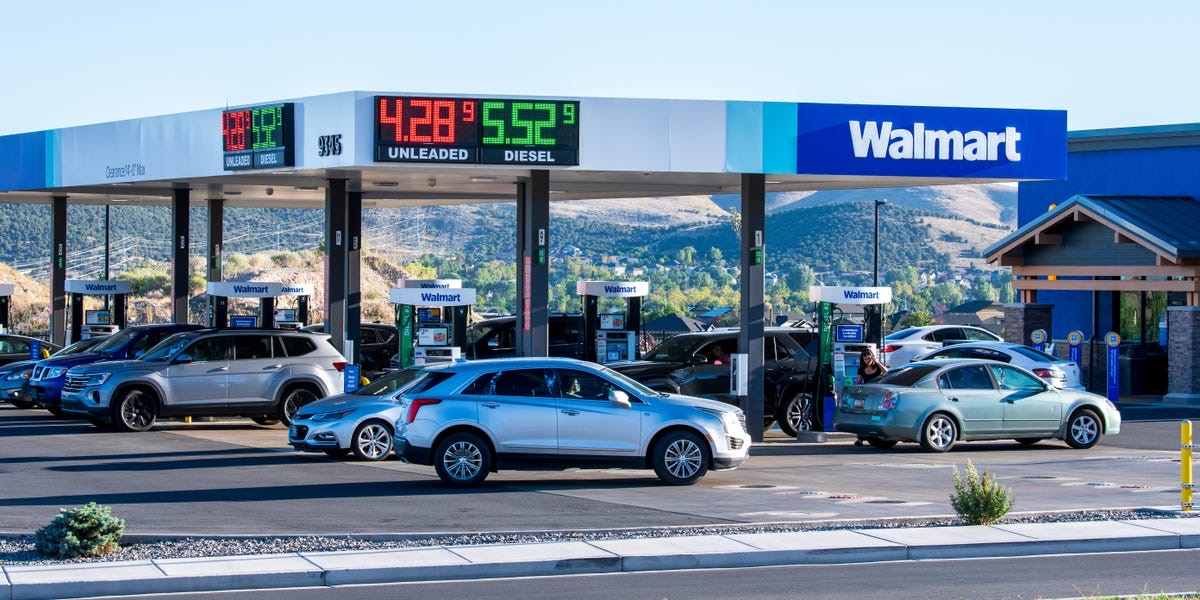
The warehouse chain tells a different story. At Sam's Club, fuel accounted for nearly half of the quarter's 9.7% sales growth. High gas prices stretched household budgets, and the growth that followed was in large part a price effect rather than a broad rise in demand. Headline growth numbers like this deserve a closer look before anyone treats them as proof of a healthy consumer.
The editorial reading is straightforward. Walmart's results show what disciplined execution looks like at scale: store-fulfilled e-commerce, grocery as a traffic driver, and a willingness to absorb new rules and keep moving. Yet the same numbers show families paying more at the pump and at the pharmacy counter. Every dollar spent on higher fuel and higher-priced medicine is a dollar not spent on savings, investment or a new business. Free-market founders should read this quarter as a reminder that the costs imposed by policy and energy prices land on ordinary household budgets, and that the most durable advantage belongs to the company that can deliver value despite them.


