A move that looks smart on paper can still miss the mark in real life. That is the lesson from Tristin Hoffman, who left Oregon for Philadelphia in fall 2025 and moved back less than a year later.
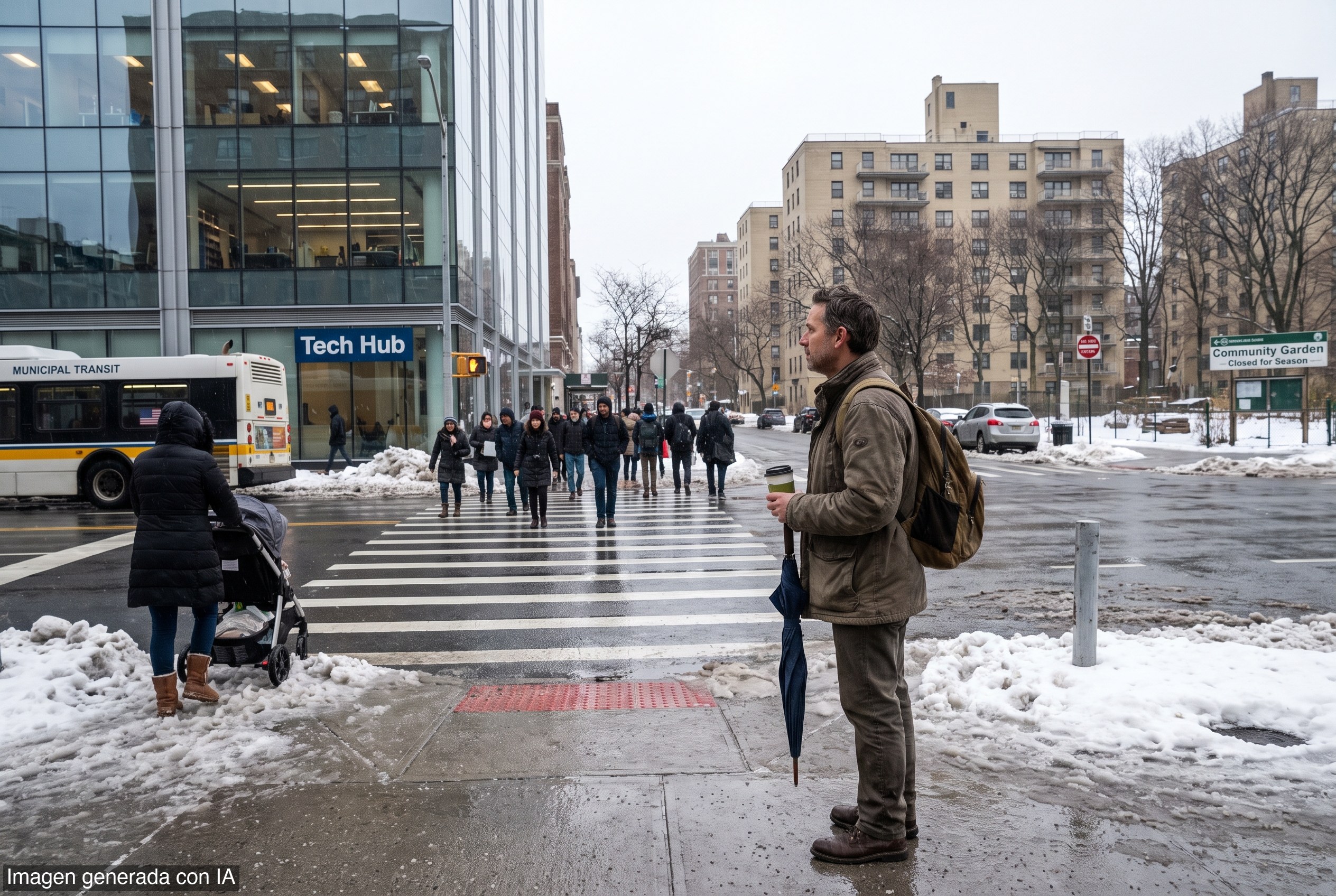
Hoffman said Philadelphia first appealed to her because of its walkability, big-city energy, and a change of pace. But once she arrived, the tradeoffs piled up fast: no car, harsher-than-expected winter weather, and more planning to get outdoors.
She said the city’s wind, snow, rain, and humidity were harder to adjust to than she expected. On the walk to work, frigid wind tunnels left her face red and numb. Without a car, there was no quick dash from a parking lot.
The practical cost showed up in daily life. Hoffman said her bus route was unreliable, and she often had to walk a mile home with groceries twice a week. When temperatures dropped below freezing, walking became something she dreaded.
The bigger issue was access. In Oregon, she had easy, everyday access to shorelines, trailheads, and open space. In Philadelphia, the kind of mountain nature she wanted often required a weekend trip and transportation planning. She said it took about an hour to reach Wissahickon Valley Park by bus from Center City.
That disconnect also affected her social life. In Oregon, hanging out with friends often meant beaches, hikes, parks, or other outdoor activities. In Philadelphia, indoor plans came up more often, including book clubs, chess clubs, trivia, knitting, or drinks. She said those plans were fine, but more expensive and less aligned with how she likes to live.
The result was a faster, tighter routine than she wanted. She described Philadelphia as more hurried, with constant honking, ambulance sirens, and people rushing around. She also said the city felt cramped and that she prefers smaller places with more room to spread out.
Now back in Oregon, Hoffman said she values the open spaces, slower pace, and the ease her car brings to daily life, especially the freedom to go to the mountains without turning it into a weekend project.
For founders and operators, the playbook is simple: location is not just a lifestyle choice, it is an operating cost. If a move increases friction in your day, it can tax your energy, your schedule, and your margins in ways a nice headline about walkability will never show.


