Ukraine has opened a new lane for private companies: buy your own air defense, run it under military command, and pay for all of it yourself. According to the Ukrainian defense ministry, the companies involved have intercepted nearly 90 threats since the spring. In late October, the count stood at just over 60, so the pace is picking up.
The experimental program is aimed at a specific problem. Russian strikes regularly target factories, energy facilities and staff in Ukraine's defense industry, and those sites are high-value targets. The ministry said the program is 'intended to provide additional protection for companies' personnel, production facilities, and energy facilities that are regularly targeted by enemy unmanned aerial vehicles.'
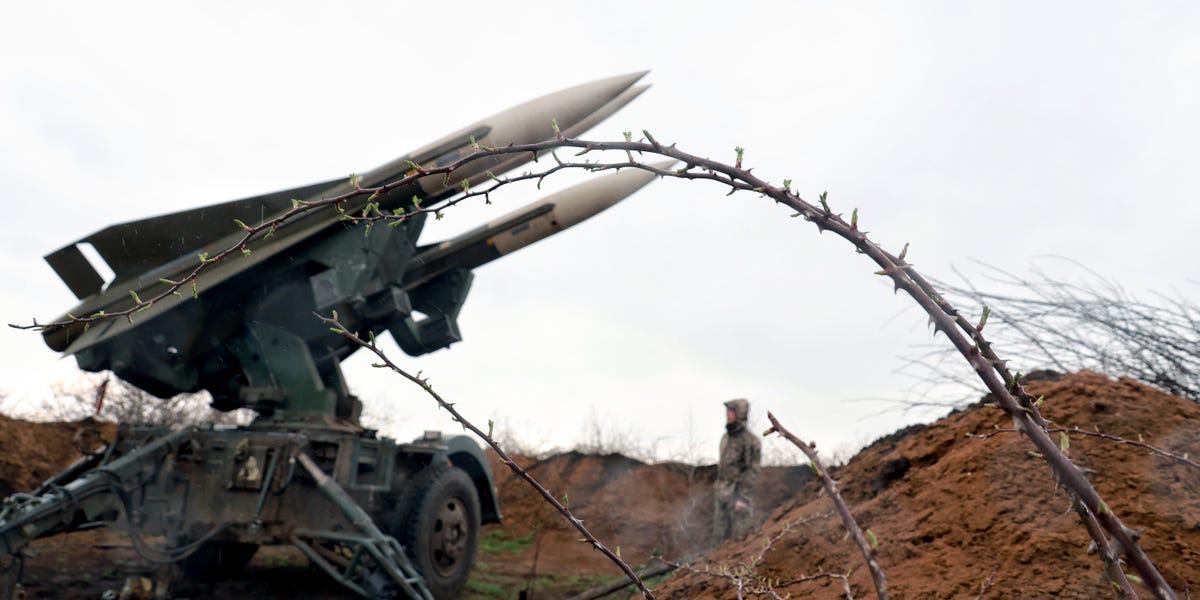
The structure is worth a close look. Kyiv launched the project last year. It lets companies buy approved air-defense weapons, including uncrewed systems, surface-to-air missile systems and anti-aircraft artillery. The companies then work with the military to train personnel on protection and storage. Once in service, the systems operate under military command and inside Ukraine's wider air-defense network. Military units can also temporarily move air-defense assets and ammunition to these groups when needed.
The ministry was explicit about the money. The companies pay for everything themselves and receive no reimbursement. The ministry also argued the model lets Ukraine 'rapidly scale up air defense capabilities without placing an additional burden on the air defense of the Defence Forces of Ukraine.' In plain terms, a stretched state military gets capacity without footing the bill, and private firms take on the cost of protecting their own assets.
The pressure behind the program is real. Ukraine's air defenders are stretched thin by constant Russian bombardment of both military and civilian targets. On Tuesday, the Russian defense ministry said it had carried out a massive overnight strike on Ukrainian defense industrial sites, including plants making cruise missiles and medium- and long-range drones, as well as transport and energy infrastructure. Both sides regularly hit each other's energy and defense-industrial bases, and the goal is to cripple the other's war machine.
For founders, the lesson is not limited to a battlefield. When the central authority cannot cover every asset, the party with the most at stake is often willing to pay for its own protection, and a clear framework of command, training and rules can turn that willingness into real capacity. The program also shows the value of defined boundaries: companies know what they can buy, who commands the systems and how they fit into the national network.
The outcome still depends on the program holding up under sustained attacks. The numbers so far point in one direction: companies that invested in their own air defense have been intercepting threats at a rising rate. Watch whether the count keeps climbing as the program matures. For the owners footing the bill, that trend is the whole argument.


