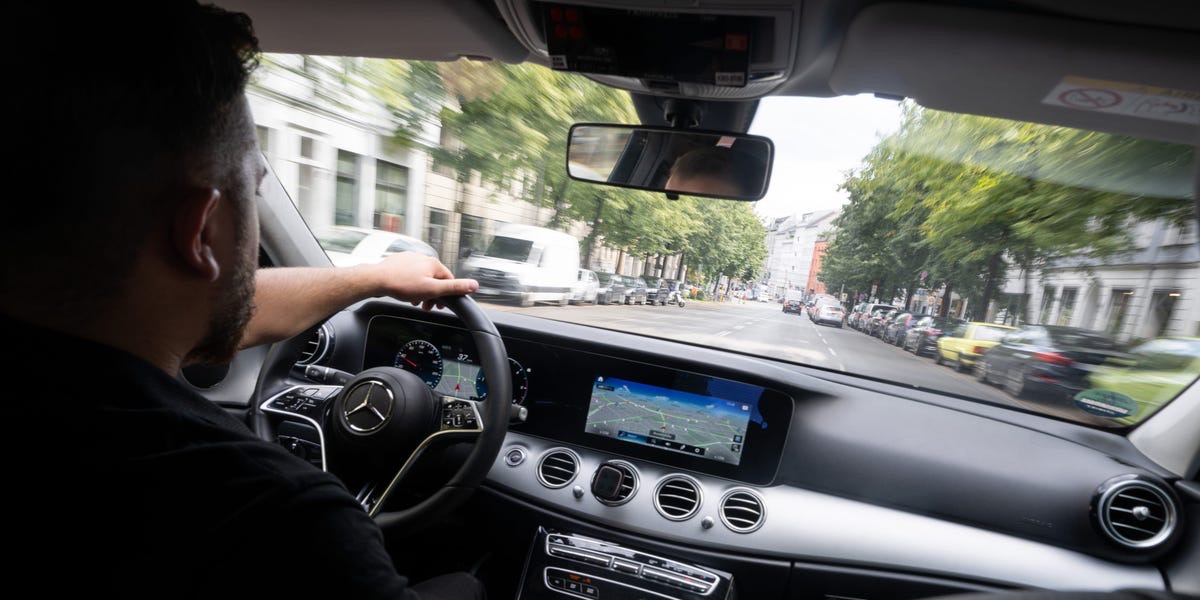
Uber is testing a new ride option for preteens, and it is paying drivers extra to take them.
According to a new page on the company's website, Uber Kids offers independent rides to children between 10 and 12 years old. Until now, the youngest passengers Uber served without an adult accompanying them were teenagers. Uber Kids is the company's latest attempt to expand its ride-hailing business to a specific group of customers.
The program is limited. Uber Kids is available to 'highly-rated drivers' in a handful of cities, including Austin, Texas; Madison, Wisconsin; and Nashville, Tennessee. An Uber spokesperson described it as 'a limited pilot program.'
The pay structure is the part founders should study. Drivers in those cities who complete their first Uber Kids ride receive an extra $20 on top of their normal pay. After that, they earn $7 for each Kids ride they complete, according to Uber. That is a clear incentive designed to get the right drivers into a sensitive new category before the company scales.
The safety layer is equally deliberate. Drivers must complete an 'education' course before accepting Kids rides, and they must confirm a PIN with the child's guardian before pickup. Parents, not the children, request the rides, and they can designate an adult to meet the child at the destination. Once the trip begins, drivers must enable audio and video recording, and parents can watch a live video stream of the ride. Uber added that livestreaming to its teen option in August.
The pilot also fits a broader pattern. In September, Uber introduced new options for senior riders, including a 'simple mode' that makes the app easier to use for less tech-savvy customers. Uber has been segmenting its rider base, then building specific features and pricing for each segment.
For drivers, the program is one more example of targeted pay. Some drivers received bonus offers worth hundreds of dollars earlier this fall for completing extra rides. Uber last offered that kind of incentive five years ago, when it was trying to coax drivers back to work after many logged off during the pandemic.
Here's the playbook. If you run a marketplace, every new customer segment brings its own trust problem, and the platforms that solve it fastest tend to win the category. Uber's answer combines a narrow launch, a premium for early supply, verification at the door and a live view for the buyer. The math is simple: the extra $20 buys you a vetted driver pool before you need one at scale.
Founders who get this right start small. Pick two or three cities, pay for the behavior you want, and instrument every step. Uber's pilot is a reminder that in a regulated, high-stakes market, trust is a product feature, and it has to be built into the unit economics from day one.


