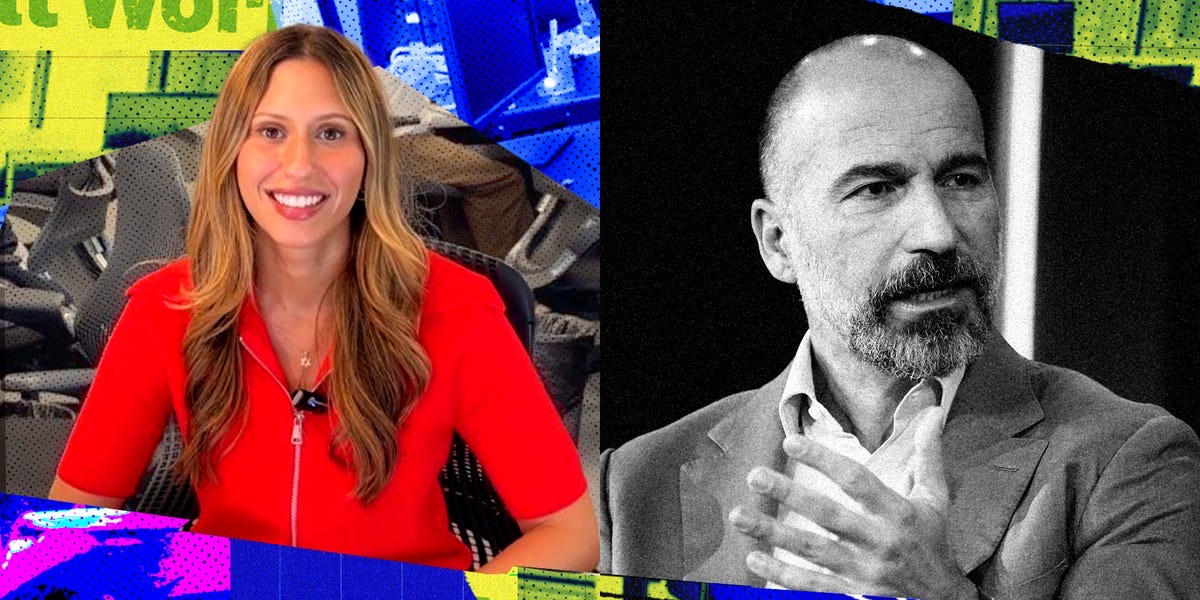
Uber CEO Dara Khosrowshahi has a blunt piece of career advice for young people: stop overplanning. In a 2023 episode of the "Acquired" podcast, he said the most common mistake he sees is building a rigid career plan and then looking only for signals that confirm it.
"There's this human bias which is to look for a signal that agrees with the plan that you have and ignore everything else that doesn't agree with it," he said.
Khosrowshahi's own path shows what that openness can look like. He started his career in the early 1990s at the investment bank Allen & Company. When an opportunity to work with Barry Diller came up, he took it. That move eventually led him to become CEO of Expedia and later Uber. His point is that the leap only happened because he was willing to change direction when the chance appeared.
The timing matters. The World Economic Forum estimates that by 2030, 170 million new jobs will be created and 92 million will be displaced. That means many employees will have to abandon the career paths they originally mapped out, and entry-level roles are already changing fast.
You don't need to quit anything today to act on this. Here's the playbook. Former Netflix talent chief Patty McCord and former Google executive Lexi Reese both suggest asking three questions before you dismiss an opportunity or decide to leave:
1. Do you love the type of work you do? 2. Does it use your strengths? 3. Is there a real need for the work you can contribute?
Run any alternative path through those three questions. If you're itching to quit or switch companies, run your current role through them too. A clear yes on all three is a strong reason to stay. A clear no on two or more is a signal to start exploring.
The free-market reading is straightforward. Workers who keep their options open can reallocate their talent to where demand is growing, and that flexibility is what lets the economy absorb a shock like the one the WEF describes. Rigid plans, by contrast, leave people stuck in roles that the market no longer rewards. Freedom to switch paths is an asset, and the individuals who protect it are the ones best positioned for whatever the next decade of hiring looks like.


