President Donald Trump said he likes data centers and sees them as economically valuable, but not if they are built right next to his house.
'I would like to have data centers,' Trump told Time Magazine in a cover story interview published Thursday. 'It doesn't mean I want them right next to my house, but certainly I like them in my county.'
Trump has repeatedly defended data centers and the AI industry more broadly, even as polling shows widespread public skepticism. He argued that communities that reject them are walking away from potentially lucrative tax revenue.
'If you want to be poor, you want to have no money, if you don't want to have a job, and if you want to live in a crime-infested area, squalor, all the things that go along with it, you should not have a data center,' he said.
Trump also said that data centers will become 'very popular' as residents see what their cooperation brings to local communities. He said that benefit might include supplying oil and gas, helping with education, or helping teachers and other people financially.
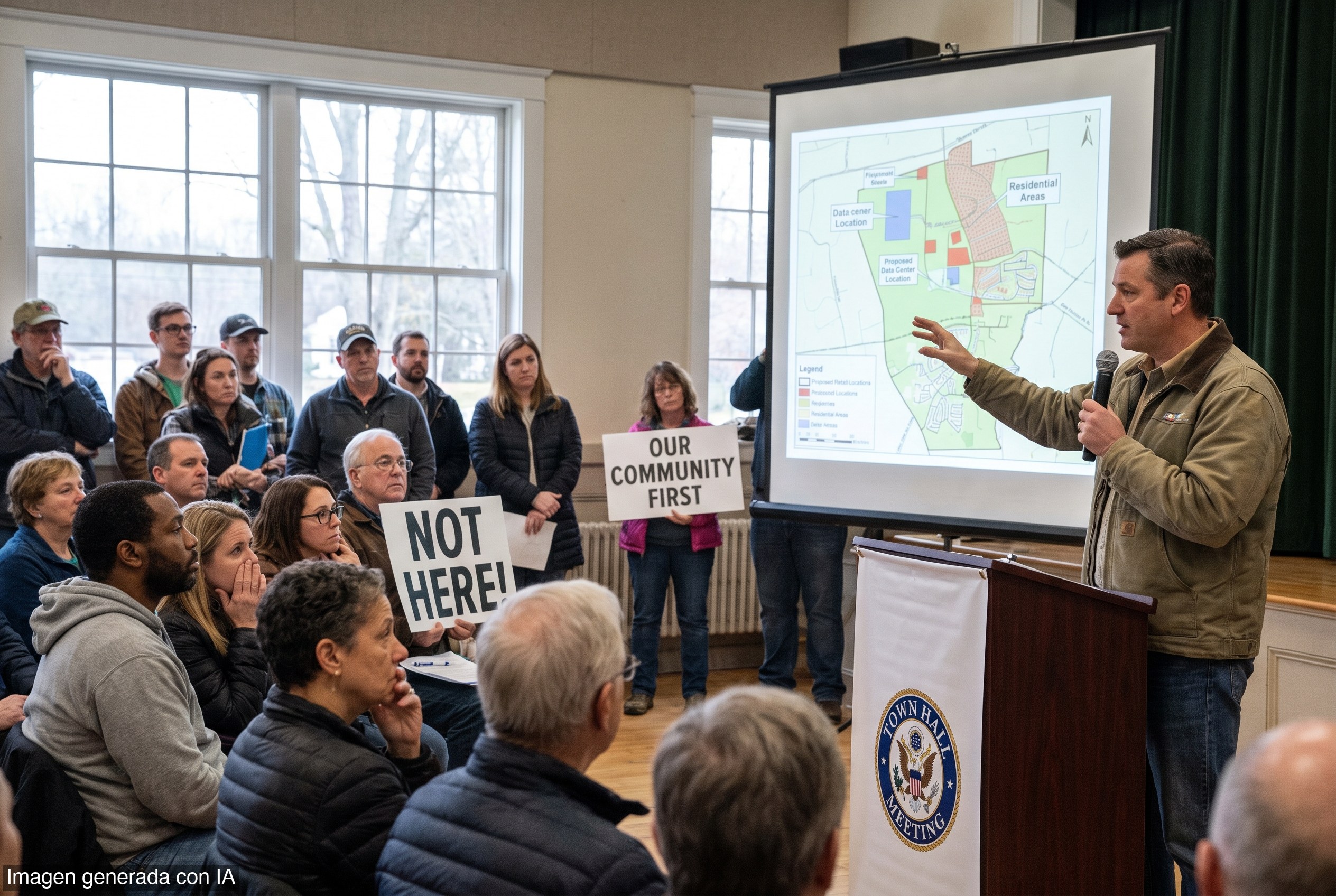
The practical problem is that local opposition is already forcing a reset in some places. In Loudoun County, Virginia, supervisors ended by-right approvals for new data centers in 2025, shifting proposals into a review process with public hearings and other steps. In Palm Beach County, supervisors approved a one-year moratorium on the construction of large-scale data centers, and a proposed hyperscale project was rejected before a smaller plan for the site was left to proceed.
The math is simple: data centers bring investment, but they also bring land-use fights. For founders and investors building AI infrastructure, that means the old playbook of 'build first, explain later' is running into local politics, public hearings, and the realities of zoning.
The bigger issue is who gets the upside and who absorbs the disruption. Trump is making a familiar free-market argument: if a project creates jobs and tax revenue, communities should not shut the door just because it changes the neighborhood. But the backlash shows that even high-growth infrastructure runs into a basic property-rights question — how close is too close when private development meets residential life?


