The Nvidia board reinstated Jensen Huang as CEO, effective immediately, after weeks of pressure from the tech industry and from President Donald Trump. According to Nvidia's account of the decision, the move followed a sell-off that rattled the stock market.
The pressure was real. Columnist Jon Levine reported that the president was worried about the recent market decline, and that tech executives and Wall Street figures had called the White House to push for Huang's return. One corporate executive with ties to both the White House and Nvidia put it bluntly: the economy's exposure to the AI trade and the data center build-out looked like it was faltering. Trump himself told CNBC he was the one who 'convinced' the board to bring Huang back.
The reinstatement is not without cost. Huang had stepped down earlier this month amid a series of scandals, including an affair with Alice Huang, whom U.S. intelligence believes was funneling information back to Chinese officials. That relationship has triggered multiple congressional hearings over national security. Huang also faced reporting by The New York Times, based on court documents and interviews with current and former employees, that he 'used humiliation as a tool' and verbally belittled staff. Those allegations come from that outlet's reporting and have not been established here.
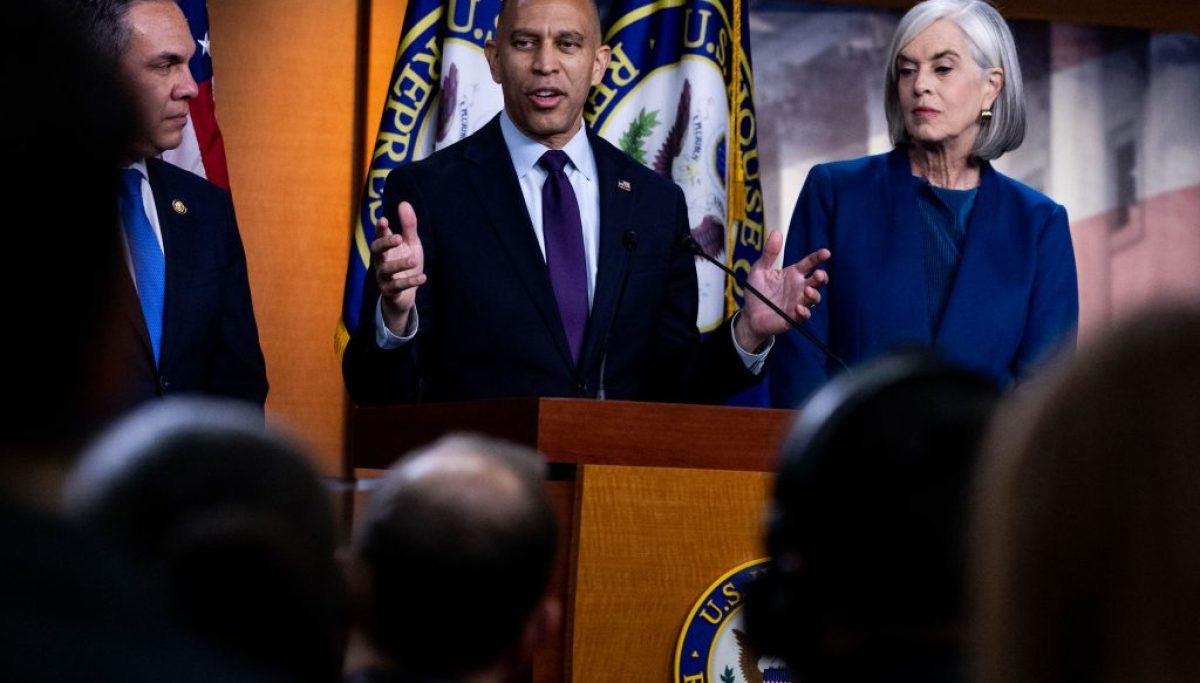
Congressional Democrats are not letting it go. House Minority Leader Hakeem Jeffries (D-NY) called the board's decision 'indefensible, irresponsible and incomprehensible,' and pushed for 'ironclad export control legislation' in the final National Defense Authorization Act for 2027. He also called out Commerce Secretary Howard Lutnick, whose department has not placed Megaspeed, the Singapore-based cloud company previously led by Alice Huang, on its trade blacklist. The Justice Department has confirmed that Megaspeed is under investigation after reports that U.S. intelligence suspected it of diverting AI chips to China.
For founders, the lesson is hard to miss. A company's valuation can be pulled around by the politics of its leadership, its relationships with governments, and its chip exports, not just its products and its numbers. Board decisions that look like crisis management can create regulatory exposure that lasts far longer than a single trading week.
The editorial reading here is simple. Markets reward stability, and a stock rebound is a short-term gain. But when a board reverses a governance decision under presidential pressure, it sends a signal that the cap table answers to Washington as much as to shareholders. That is not the free enterprise that builds lasting value. It is deal-making with the administrative state, and it leaves investors and taxpayers holding the risk. Serious operators should price that in before they assume that a single phone call from the White House will clear the path.


