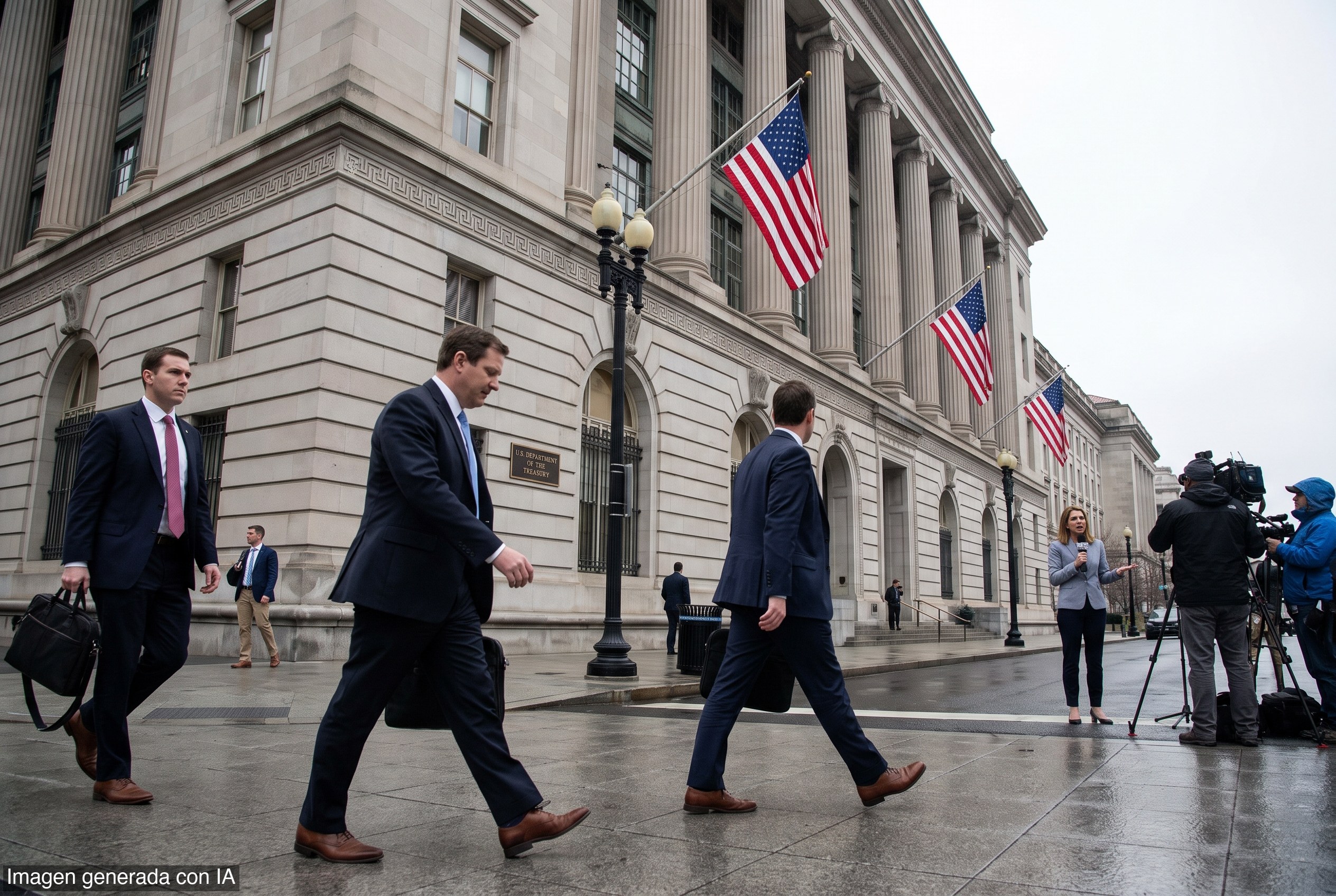
The US Treasury Department has fined Bank of America more than $1.2 billion, saying the bank failed to report more than $5 billion in suspicious transactions to the Financial Crimes Enforcement Network.
The Treasury said the unreported activity included Chinese money-laundering networks along the US southwestern border. It also said the bank violated several sanctions programs, including those related to Iran, Russia, narcotics, and global terrorism.
The department said the penalty is the third-largest it has ever imposed. Treasury Secretary Scott Bessent said that when a bank of this size fails to meet its anti-money laundering and sanctions obligations, the consequences extend beyond the bank itself and expose the US financial system to illicit finance risks.
The Treasury also said Bank of America lacked trained staff to monitor suspicious activity. Along with the fine, it ordered the bank to work with a third party to identify and report previously undetected suspicious transactions, and to undergo an independent review of its suspicious activity identification.
A Bank of America spokesperson said the company is working with regulators on the issue. The spokesperson added that the bank has invested billions of dollars in technology and dedicated thousands of employees to combat financial crime, and said it is committed to completing the work required to address the issues raised by regulators.
The spokesperson also said the fine would affect the bank’s upcoming third-quarter earnings, impacting net income by approximately 17 cents per share.
For founders and investors, the playbook is simple: compliance is not a back-office detail. When controls break at a bank of this size, the costs land on earnings, on oversight, and on trust in the system that moves capital.
The bigger lesson is that free enterprise depends on rule of law, not just scale. If the largest institutions can miss this kind of activity, then regulators will keep tightening the screws — and every honest business ends up paying part of the bill for failures it did not create.


