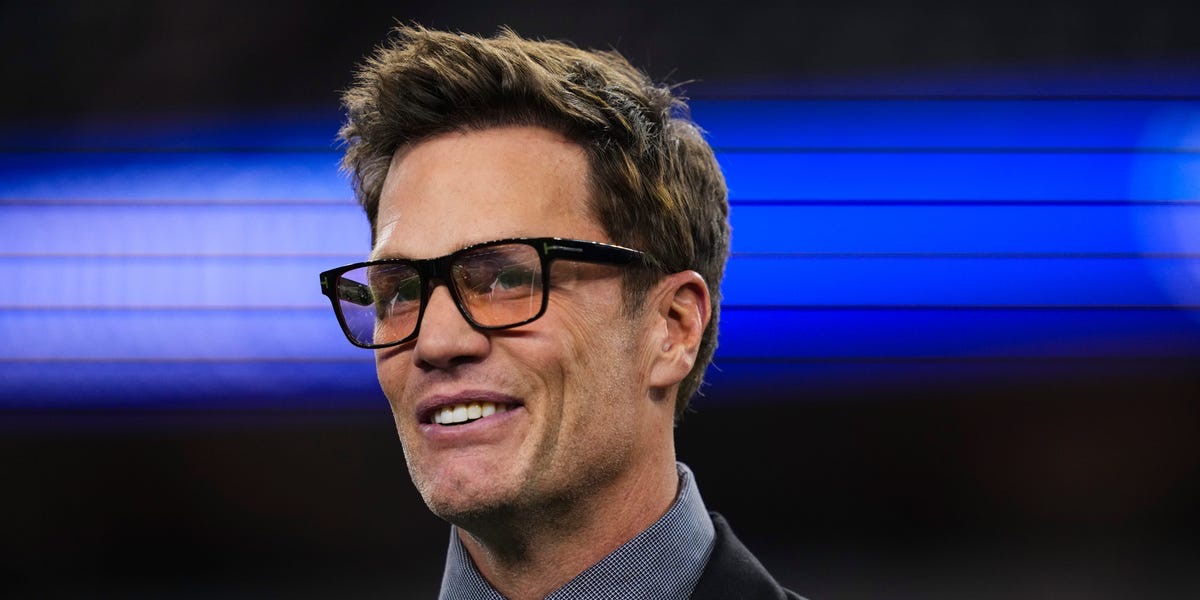
Here's the playbook from one of the most decorated careers in football, and it starts with a mindset most founders would call reckless.
Tom Brady said that being a 'delusional, naive, optimistic person' was a major reason he succeeded. In a 'High Performance' podcast episode posted on Monday, recorded at IFS Unleashed 2026 in early October, the retired NFL player reflected on the self-belief that carried him to the top of the sport.
Brady said he wakes up each day at a 'plus two happy,' feeling 'a little bit naive, a little bit optimistic about what the day looks like or what I can achieve.' He described his early outlook plainly. 'I didn't realize all the challenges that there actually were in front of me, and I would say that was very much a blessing.' He also said he could not take much credit for that mindset, calling it 'blind ass luck' that he was born with it.
The confidence showed up early. While he was in high school and being recruited by colleges, Brady said he was so sure he would win a scholarship that he told his guidance counselor he didn't think he needed to fill out applications. At Michigan, he said he was 'very delusional' about becoming the starting quarterback, without accounting for six other players who were just as talented and competing for the same job.
The Patriots drafted him in the sixth round, and he entered his rookie season as the team's fourth quarterback. He recalled calling his agent two weeks before the final roster cuts to say he wanted to buy a house in New England. When the agent asked whether he could make the team first, Brady said, 'duh, I'm going to make the team.'
The lesson he draws is not that confidence alone wins. He said it has to be paired with persistence, self-awareness and a willingness to keep working toward a goal. 'Even if you don't reach it, you'll still gain so much self-confidence in who you are because you'll have a work ethic, and you'll learn to deal with failure, and you'll learn to have more resilience for all the next obstacles,' he said.
For founders, that is the real playbook. Conviction gets you into the game, but the work decides whether you stay in it. Brady's view also offers a useful check on your own optimism: he admits he was naive about how hard the path was, and that ignorance kept him moving. Most founders need a little of both, enough belief to start and enough realism to plan the runway.
Brady is not alone in this view. Tom Cruise has said he treated himself as the 'CEO' of his own life from a young age, mapping out the skills he needed for filmmaking. Dwayne Johnson once fired his agents early in his acting career after they did not share his belief that he could become a bigger star than Will Smith and George Clooney. Johnson has since become more commercially successful than both actors.
Start with the conviction, then build the system that makes it real: a plan, a weekly review and a clear answer to what happens if you miss the first target.


