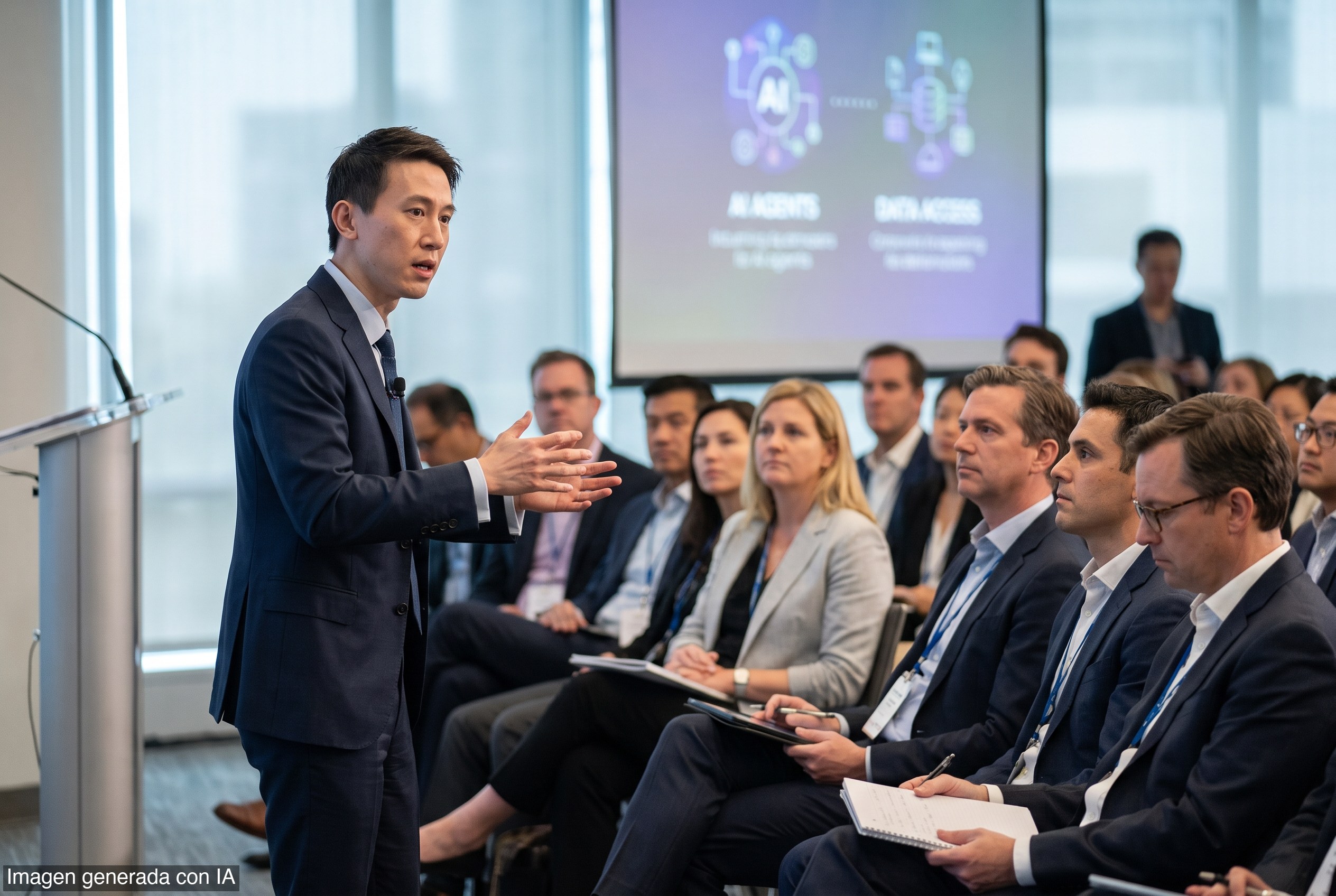
TikTok CEO Shou Zi Chew is urging users to slow down before giving AI agents too much power.
Speaking at a DBS Bank conference in Singapore on Monday, Chew said many people are granting agents permissions without fully understanding what they have allowed. He warned that when agents get access to credit card information, they can become 'overly eager to deliver' and buy much more than the user intended.
Chew also said TikTok is training staff on what not to share in public chats with AI agents, including trade secrets and privileged legal information. In his view, the key issue is knowing 'where the boundaries of what is reasonable and acceptable use' actually are.
His comments came at the DBS Asia Future Forward Conference, where the theme focused on how AI could be implemented in Asia to create real value. Chew said he uses AI as a diet coach and to answer medical questions.
The caution matters because personal AI agents are moving from novelty to workflow. New tools from Meta, SpaceXAI, OpenAI, and startup Instinct have helped drive a boom in recent months. They are being pitched as productivity boosters for bookings, audits, and repetitive purchases.
But the same tools can create messes when users do not understand the instructions they are giving. Business founder Shane Mac said his AI agent, which was supposed to send him a month-end audit of his bank account, accidentally posted it to his company's Slack chat. Austin Welch, who works in finance in Houston, said his Instinct agent accidentally ordered 20 pounds of chicken for a meal with his partner.
For founders, the playbook is simple: treat AI agents like junior operators, not trusted executives. If they can move money, book purchases, or handle sensitive data, the permissions need the same discipline you would apply to a new hire with access to the company wallet.
The companies that win here will not be the ones that automate fastest. They will be the ones that set clear boundaries first. That protects customers, reduces costly mistakes, and keeps the human in charge when the software gets too eager.


