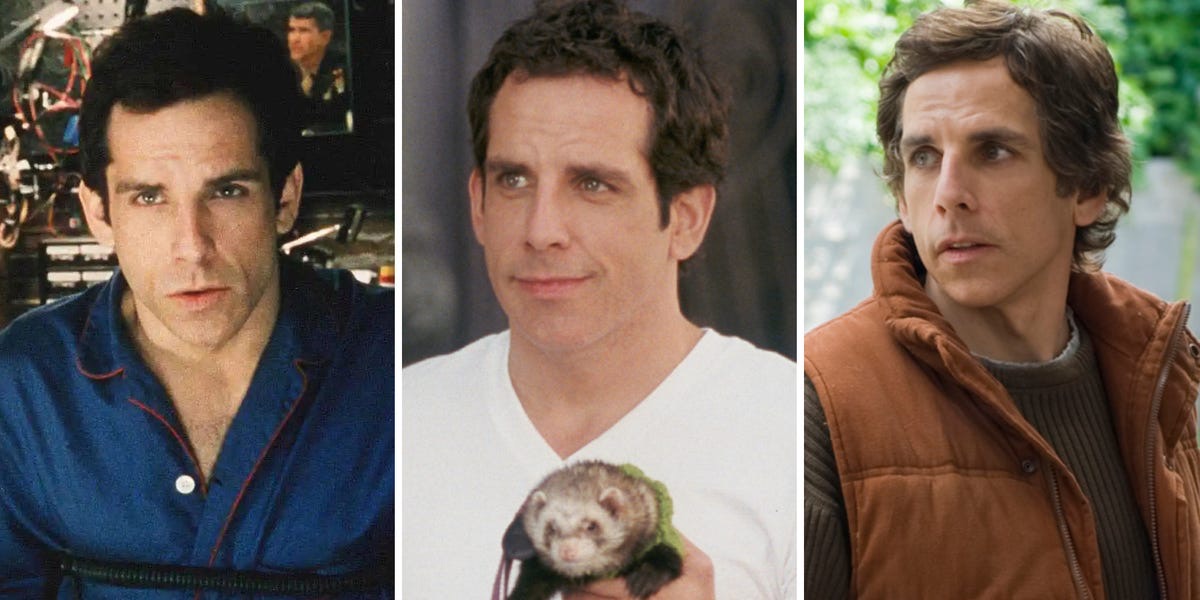
Aaron Sorkin's 'The Social Reckoning' puts three high-profile actors in the middle of Facebook's most damaging public fight.
Jeremy Strong plays Mark Zuckerberg, Mikey Madison plays whistleblower Frances Haugen, and Jeremy Allen White plays Jeff Horwitz, the reporter who helped break the story around Facebook's internal documents. The film opens in theaters on October 9 and serves as the follow-up to 2010's 'The Social Network.'
Jesse Eisenberg, who played Zuckerberg in the earlier film, told Variety that he was asked to return but declined. He said he was 'moving in different directions' and did not want to be associated with the character, even while calling the movie wonderful.
Sorkin said Strong went method for the role. He told The New York Times' 'The Interview' that Strong stayed in character around the rest of the cast and treated them the way he imagined Zuckerberg treats people around him. Sorkin said, 'You cannot argue with the results.'
Haugen's role in the real scandal was central. She was a data scientist and former product manager on Facebook's civic misinformation team, also called the civic integrity team. In 2021, she became known as the Facebook whistleblower after leaking tens of thousands of internal Facebook documents to reporters and lawmakers.
She testified before a Senate Commerce Subcommittee on Consumer Protection that Facebook's algorithm prioritizes divisive and extremist posts. She also pushed for government regulation and stronger oversight.
Haugen told The Hollywood Reporter she did not meet Madison before the film, but said she hoped Zuckerberg would watch it. 'He should be reminded that, hey, you are making choices,' she said. 'You don't have to be the head of Meta forever.'
Horwitz, now a Reuters reporter in San Francisco, won several journalism awards for 'The Facebook Files,' the 2021 investigative series based largely on the documents Haugen provided. White said he was initially hesitant to take on another real person role.
Sorkin also said he did not name Bill Burr's character after Roger McNamee because of legal concerns. McNamee, a venture capitalist and early Facebook investor, published 'Zucked: Waking Up to the Facebook Catastrophe' in 2019 and is credited as research material, along with Haugen's memoir and Horwitz's book, 'Broken Code.'
The setup matters because this is not just a casting exercise. It is a reminder that Facebook's power is still measured in human damage, legal risk, and the cost of leaving one platform to police itself. For founders, the lesson is blunt: when incentives are misaligned, the bill does not stay inside the company. It lands on users, lawmakers, and the market.
The real takeaway is not celebrity resemblance. It is accountability. Companies that shape public discourse eventually answer for the system they build, and the longer they delay oversight, the more expensive the reckoning becomes.