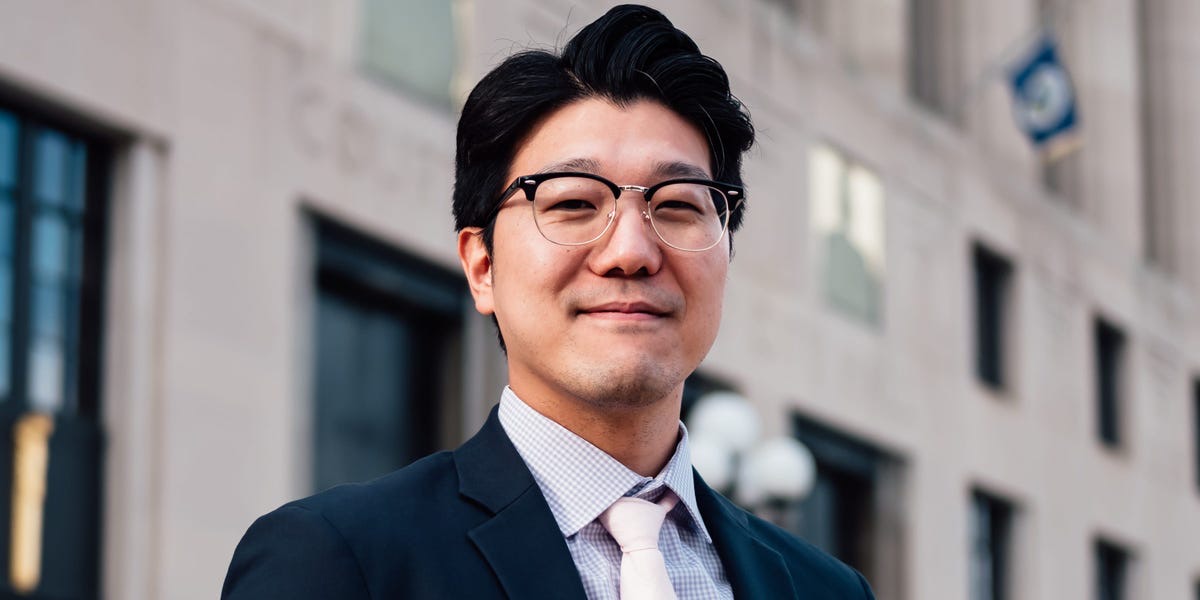
When the Trump administration introduced a $100,000 fee on some H-1B visas in September 2025, Joe Kwon, a business immigration lawyer in Nashville, says it felt like an inflection point. His firm handles H-1B and O-1 applications, as well as green cards, for employers and individuals.
Here's what he is seeing on the ground. Employers that once defaulted to the H-1B are now looking at alternatives such as the O-1, L and TN visas. Kwon has had clients with a chance to pursue a Ph.D. in the United States choose Canada or the UK instead because of the uncertainty. He is also getting more inquiries from people who want to sponsor their own green card without an employer.
The catch is that more people trying these routes does not mean more are getting approved. Each applicant still has to show they meet the criteria.
The math for founders is harder to pencil out. The fee may or may not survive, since it has been held up in federal courts. That means employers have to budget for a cost that could disappear or could stay. Kwon says workers are weighing whether it is safe to travel, change jobs or wait. Every decision now carries the same question: what if the rules change again?
The policy shifts go beyond the fee. In May, a government memo said it would grant 'adjustment of status,' which lets some people apply for green cards from inside the US, only in 'extraordinary circumstances.' Kwon says that news triggered panicked responses, and he offered free consultations for about two months. He was doing four to five a day, often working 10 to 12 hours, five or six days a week. He has since cut back to closer to 40 hours a week.
For founders, the lesson is operational. Map which of your hires depend on H-1B status and which have a fallback. Ask your counsel now what an O-1 or L-1 petition would require, rather than discovering the gap during a hiring crunch. Budget for the fee as a scenario, not a certainty, and keep a plan B and C ready before a candidate or an employee needs one.
The administration says its approach is deliberate. A Department of Homeland Security spokesperson told Business Insider the controls on the H-1B program are 'increasing scrutiny of every petition, prioritizing higher-skilled and higher-paid petitioners, and reducing fraud.' The White House said the $100,000 fee discourages companies from 'spamming the system' and focuses the program on 'truly highly specialized temporary labor.' A Department of Labor spokesman declined to comment.
The editorial reading here is simple. Every hour a company spends on immigration contingency planning is an hour and a dollar not spent building product, and every talented founder who chooses Toronto or London over Boston or Austin is a loss in the American startup ecosystem. A stable, predictable visa system is a form of economic infrastructure. When the rules change by memo and the fee bounces through the courts, the cost falls on the employers who create jobs and the taxpayers who depend on them. Free enterprise needs rules it can plan around, and right now that is the scarcest resource in the room.


