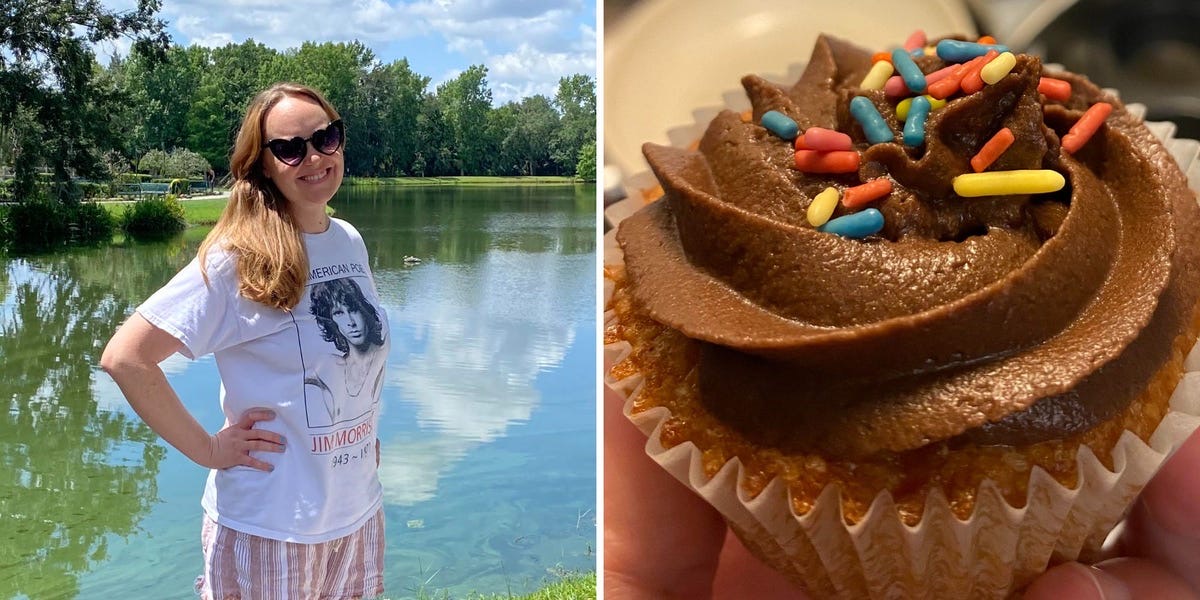
When the author was in college, the math on a traditional four-year degree stopped adding up. The author describes feeling their stomach drop at the thought of the 9-to-5 jobs waiting after graduation, and turned instead to the thing that brought them joy: baking. By college, the author was already sharing weekly baked goods with friends and had been baking their whole life.
The obstacle was money. Culinary school was out of reach without their father's financial help, and the author knew he would not support a switch to that path. So the author made a deliberate move: they left Miami, where rent was climbing fast, for a smaller town and went looking for work experience instead of a diploma.
Here's the playbook they used. First, they built a portfolio, a photo album of their best desserts, and took it to bakeries across town. Most of the shops were family-run and turned them away. Second, one bakery owner suggested the author obtain the Florida Certified Food Manager certification to improve their odds. The author found a local restaurant supply company that offered the state's required course and exam, which the author described as a small investment that gave them an edge.
With the certificate in hand, the author walked into a bakery that intimidated them. The owner was impressed by the portfolio and asked if they could start the next day. She offered $10 an hour from the start, rather than an unpaid internship, which the author said they would have accepted just to gain professional experience.
The author worked up to running the vegan and gluten-free baked goods, a new area in the baking world around 2010. They bought a used textbook from the Culinary Institute of America on gluten-free baking and found the cookbooks of Isa Chandra Moskowitz, their favorite vegan chef to this day.
The bakery job then became a launchpad. The author moved into a restaurant position, started a small catering company, and used restaurant wages to save and reinvest in the dessert catering business. They sold at local farmers' markets and filled personal orders for about two years, until family and career changes redirected them.
The pattern repeated. After their son was born, the author went back through the same process of asking what they loved to do. A scholarship covered a 200-hour yoga training, which let them teach classes while finishing their four-year degree. They ran a small cleaning business alongside teaching and eventually became an English teacher.
For founders, the lesson is about sequencing. You do not need the most expensive credential to get started. You need proof of work, a credential that opens doors at low cost, and the nerve to be rejected half a dozen times before someone says yes. Start with the skills you can prove, keep a small revenue stream running, and reinvest every dollar into the next step. The author's career shows that a $10-an-hour job can compound into a business, a second career, and a much larger set of options.


