Affordability is the question on every shopper's mind this holiday season, and retailers know it. Walmart is pushing a $35 Thanksgiving basket that feeds 10, and Aldi has advertised a dinner for 10 for less than $39. Trader Joe's took a different route, using its free seasonal newsletter, the Fearless Flyer, to pitch holiday items as budget-friendly. Its $2.49 mushroom soup was framed as a way to 'expand your sense of Trader Joe's value,' and its $3.79 fried onions were meant to keep you from 'frying your budget.'
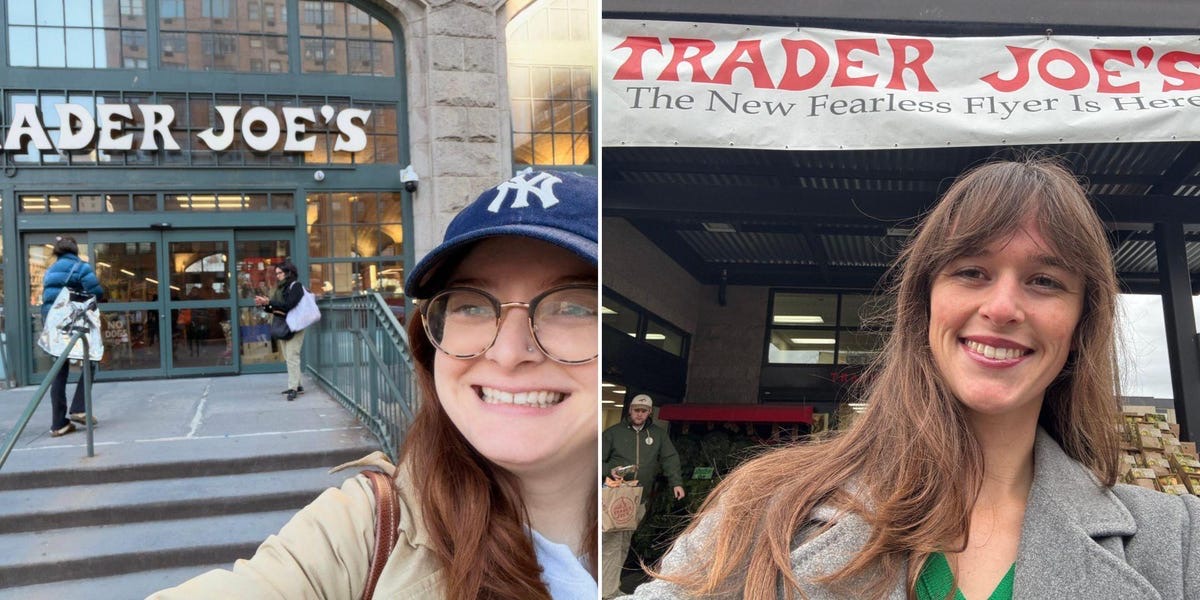
To test those claims, Business Insider reporter Gabbi Shaw shopped a Trader Joe's in Manhattan on a Tuesday morning, and Tristin Hoffman shopped the only Trader Joe's in Eugene, Oregon, on a Friday afternoon. Oregon has no sales tax, while most groceries in New York City are tax-exempt. Eugene, a city of about 178,000, is home to the University of Oregon, and the next Trader Joe's is nearly an hour away in Corvallis.
Shaw's Manhattan haul included an organic turkey, which cost slightly more than the pre-brined bird, along with stuffing, a sweet onion salad kit, cheeses, and wine. Her wine choices were a $6.99 moscato and a $6.99 cabernet sauvignon. The store was out of the classic whipped cream, so she left the chocolate version on the shelf. Had the classic been in stock, her receipt would have come to $146.30 instead. Because she bought wine and cider, she paid $1.55 in sales tax. Shaw concluded the haul was not bad, but she did not think there were enough sides or desserts for a full Thanksgiving meal, especially with a turkey and a ham.
Hoffman bought a 14.07-pound all-natural brined young turkey, an apple cabbage slaw kit for $4.49, a 16-ounce cranberry sauce, two triple-cream cheeses, and whipped light cream for $4.49. Her total was about $21 more than Shaw's, even though Oregon's lack of sales tax lowered the bill.
The gap shrinks once the details are sorted out. Much of the difference came from personal preferences and product availability. After setting aside the wine and cheese and adjusting for the different salad kits and meat weights, Hoffman's haul was about $4 more than Shaw's. Had Shaw's preferred whipped cream been in stock, the two hauls would have been nearly tied, with New York still about $1.40 cheaper.
What this means for a household budget is clear. A state's tax code is only one line item. Your grocery bill depends on what you put in the cart, which store carries it, and whether the shelf is full when you arrive. Founders and households alike should read the receipt, not the slogan.
The editorial takeaway is about taxpayer money and the choices it funds. New York's tax-exempt groceries mean the state leaves more of your paycheck in your pocket on the food itself, while Oregon's no-sales-tax model keeps the government out of the transaction altogether. Both approaches reward shoppers who compare prices and resist the marketing. Trader Joe's can tout its value all it wants, but the free market, not a flyer, decides what a Thanksgiving dinner actually costs.


