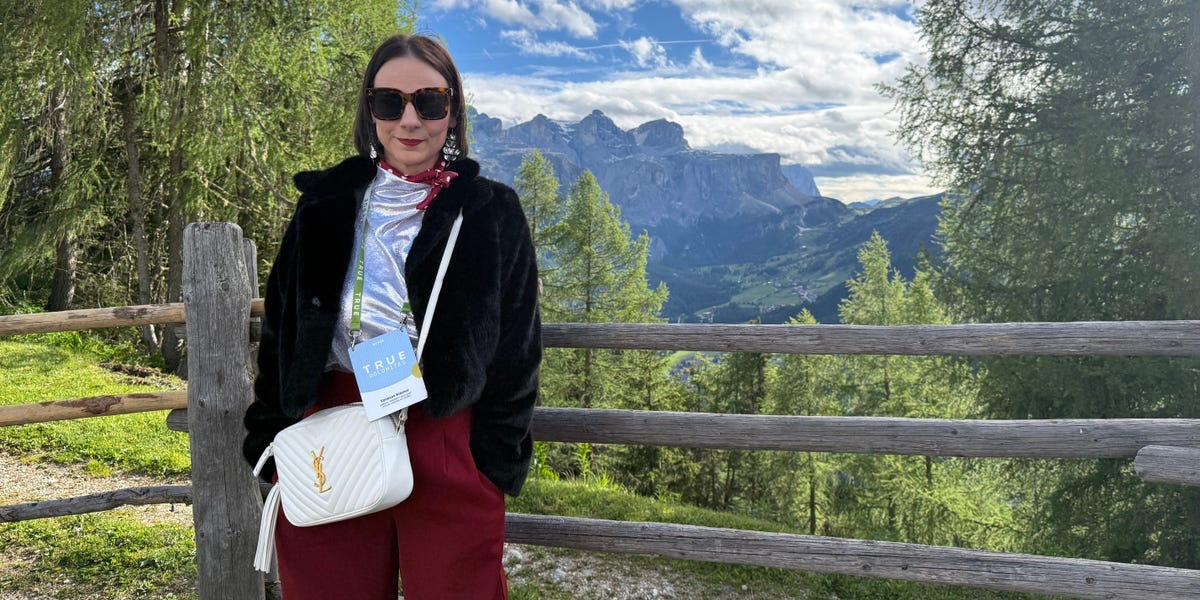
Here's the playbook from someone who has seen it all. According to a luxury travel advisor who has sent hundreds of clients to Italy over the past 16 years, most trips go wrong long before the plane lands. The problems are predictable, and they are fixable.
The first mistake is trying to see too much. Many travelers want to visit three to five Italian cities in nine days, changing hotels every two nights or less. The advisor's verdict is blunt: the only souvenirs those travelers bring home are extreme sleep deprivation and no real memory of what they saw. Her recommendation is to limit the trip to two or three hotel changes at most, so you aren't living out of a suitcase and can actually enjoy each place.
The second mistake is checking boxes. Popular sights often get added to an itinerary simply because they sit on a bucket list. She calls that a waste of valuable vacation time. If you have no desire to see the Vatican or the Colosseum, you can spend that time on something in Rome that genuinely interests you. If you don't drink wine, skip the winery and spend the afternoon in smaller Tuscan cities such as Siena or Lucca.
The third mistake is overpacking. Venice alone is enough to prove the point: travelers with large checked bags dragging them up and over hundreds of steps to their hotels. Taxis, trains and ferries also impose luggage limits. Her rule is simple. Travel with a carry-on, pack layers, and build outfits from mix-and-match staples.
The fourth mistake is trusting AI-generated itineraries without a human check. Clients increasingly arrive with plans produced by software, and the advisor says the tools lack the judgment that only firsthand experience provides. A long train ride may look fine on paper, but it is punishing in July heat. The bots also generate hard-to-navigate routes into remote areas that no experienced advisor would suggest to a first-time visitor. Her advice: use AI as a starting point, then have someone who has actually been to Italy review it.
The fifth mistake is rushing. In her view, Italy is best enjoyed slowly, whether that means a glass of wine at a rooftop bar in Florence, a long dinner with views in Positano, or an espresso and cornetto at a Milan café. She never recommends more than one tour a day, and she suggests keeping either the morning or the afternoon open for unplanned exploration.
The math here is simple. Every hotel change, every oversized bag and every box-ticking stop consumes hours you paid for. Cut the sprawl, pack light, verify the plan and leave room to wander. Founders who plan their own travel this way get more out of it, and the same discipline of cutting waste and protecting time applies to how you run a company.


