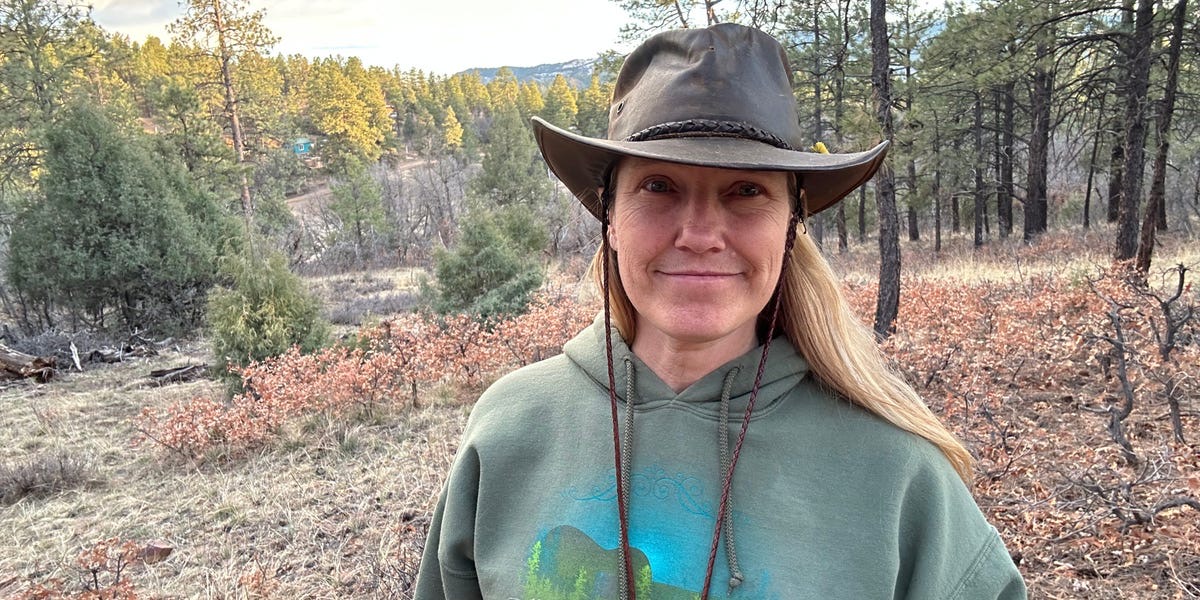
Most people who start prepping begin at the store, not at the kitchen table. They buy a bulky bag, fill it with gear, and assume they are ready. According to Jessie Krebs, a 54-year-old former Air Force SERE (Survival, Evasion, Resistance, and Escape) instructor, that is the central error.
Krebs trained military personnel to survive behind enemy lines and avoid capture. Her core lesson is simple: skills matter more than equipment. 'The fun thing about my training in the military is that it basically teaches you skills so that you don't need as much equipment,' she said. If you are in a room and need a rope, you can look at the curtains and rugs and improvise one.
Her advice is organized around five basic needs.
Communication first. Before any emergency, set a plan. Pick a meeting point, such as a landmark most of your family can reach, and write it on paper in your kit. Agree on a signal, and set times for check-ins. Krebs's example: a specific blue slide at a local park, with a backup location five miles out of town if the first one fails.
Protection. Clothing and equipment are your first line of defense. Rope, a headlamp, a knife, and a lightweight sleeping bag cover most scenarios. A poncho or any water-resistant material adds shelter. Knowing how to build a fire, and how to shield it in bad weather, is part of the same plan. Krebs noted that a fire is also a signal: 'If somebody sees a fire, they're likely to come.'
Water and food, in the right order. Water is the priority. Krebs said most people can go about three days without it, while they can often go 30-plus days without food. Many people pack too much food and too little water. When you do choose food, favor high-fat items such as peanut butter and oil, which are harder to find once a crisis starts.
Navigation. In most emergencies, the goal is to stay put and let rescue come to you. But if you must move, you need to read a map and use a compass without a phone. Knowing where you are safest is part of the same skill.
Mindset and hygiene. Panic is the real enemy. 'Most people freak out, and now they can't think at all,' Krebs said. Learn to calm yourself so you can think rationally. Hygiene is also a survival issue, not a luxury. Poor hygiene can lead to health problems, and it affects morale.
The lesson for the prepper, and for the founder who treats preparedness as a business discipline, is the same. The more you know, the less you need to carry. As Krebs put it, most people 'have all this gear, but most of it they don't know how to use.' Buying a kit without understanding it is not preparation. Start with the plan, learn the skills, and then add equipment you have actually practiced with.


