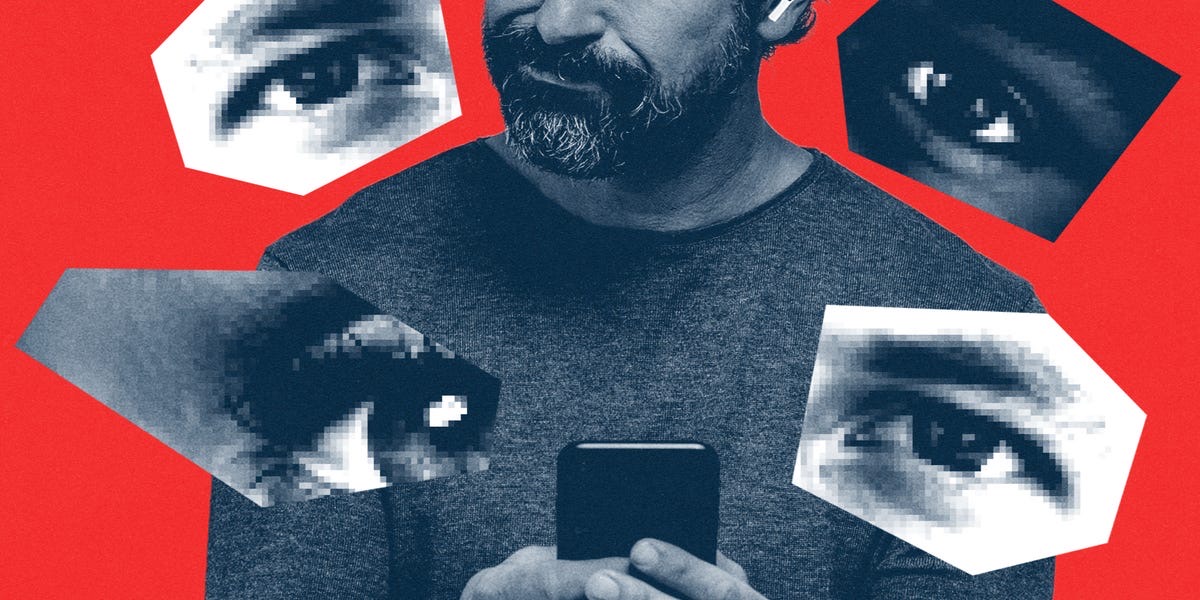
If you build in AI, chipmaking or any R&D that a foreign government might want, your biggest exposure may not be a firewall. It may be a person.
That is the message security professionals are delivering to tech companies right now. Catherine Marinis-Yaqub, a veteran of both the FBI and the CIA who now advises corporations through the security consulting firm Control Risks, puts it plainly: 'people don't realize how prevalent it is.' A foreign asset is not necessarily a foreign national, and a spy does not always look like one. In her words, it could be 'the all-American guy wearing a Yankees hat.'
The recent cases give founders concrete reasons to pay attention. According to the Justice Department, a former Google software engineer was convicted in January of corporate espionage after downloading more than 2,000 pages of confidential information about Google's supercomputers and AI models. In October, the FBI arrested an OpenAI engineer who allegedly bugged a conference room in the office. In November, a federal grand jury indicted a Russian national who had been stalking employees of a Palo Alto technology company. And Nvidia CEO Jensen Huang's career was briefly shaken after he admitted to a series of extramarital affairs, including one with a woman whom US intelligence agencies suggest is a Chinese spy.
Here's the playbook security firms are selling, and it is worth understanding even if you never buy it. Mark Trott, a former FBI special agent now at the San Francisco firm Concentric, says that anyone working on emerging technology could be a target. Revelio Labs found that AI firms have doubled their internal hiring for counterintelligence roles over the last year. David Kilby of Strider Technologies says more tech companies are getting in touch, AI firms in particular. Strider's services include detecting when employees are being compromised, vetting vendors with suspicious affiliations, and identifying hidden nation-state ties among people close to staff. Kilby says one client found an employee copying data from a work laptop and sending it to contacts in China. He declined to name the company.
The math is simple. Cyber defenses only go so far when the weakest link is a person. Founders who get this right treat human security as a line item, not an afterthought. Start with three moves: map which roles touch sensitive models or hardware, run a basic background and affiliation check on vendors, and train staff on the approaches that actually happen, such as a friendly stranger at a bar or a new contact at a run club. OpenAI reportedly ran training sessions on exactly those scenarios earlier this year, according to the Wall Street Journal.
There is a cost to the atmosphere, too. The Huang episode has made founders wary of their own networks. Alyssa Tsai, founder and managing partner at Five Mounts Capital, says she sees a growing concern about backing Chinese founders or teams, partly because China's 2017 national intelligence law requires citizens to cooperate with state intelligence work. Tsai, who was born in Taiwan, says she has been jokingly accused of being a honeypot at networking events. 'Everyone jokes about it,' she says, though she is not offended.
For the founder, the lesson is to protect what matters without letting suspicion replace judgment. Vet the risks that are real, document your controls, and keep your hiring and partner decisions tied to evidence, not rumor.


