Ukraine says Russia has moved turbojet drones from a rare threat to a mass one.
Col. Yuriy Ignat, the main spokesperson for Ukraine's air force, told national broadcaster TSN on Wednesday that the Kremlin has launched 7,700 turbojet drones into Ukraine so far. He said the pace accelerated sharply over the summer, from 350 jet-powered drones in June to 1,500 in July and 2,850 in August. Russia has launched 1,900 of the faster drones so far this month.
That means at least half of all Russian long-range drone attacks now consist of jet-powered systems, according to Ignat's figures. Kyiv says the surge has made interception harder and more expensive, because jet drones fly faster than the propeller models Ukraine had been countering with cheaper interceptor drones.
Ukraine has said the jet engines are sourced from China, and that it has also found critical electronic components in the drones originating from US or European firms. Kyiv has repeatedly warned that Russia's military production base has been able to evade international sanctions at a scale that allows it to mass-produce weapons with foreign parts.
The newer systems include the Geran-3, which is thought to be a Russian analog of the Shahed-238, and the Geran-5, which Ukrainian authorities say closely resembles a cruise missile. Ukraine says the Geran-5 can reach about 370 mph in flight, with a range of nearly 600 miles and a 198-pound payload.
Russia's scale-up is not limited to the airframes already in use. Politico reported that a Russian state firm has plans to produce enough airframe material for another 28,000 one-way attack drones a year, on top of the 36,000 it's already estimated to make annually. Business Insider also reported satellite images showing a new facility this year dedicated to launches for jet-powered drones, equipped with 280-foot rails.
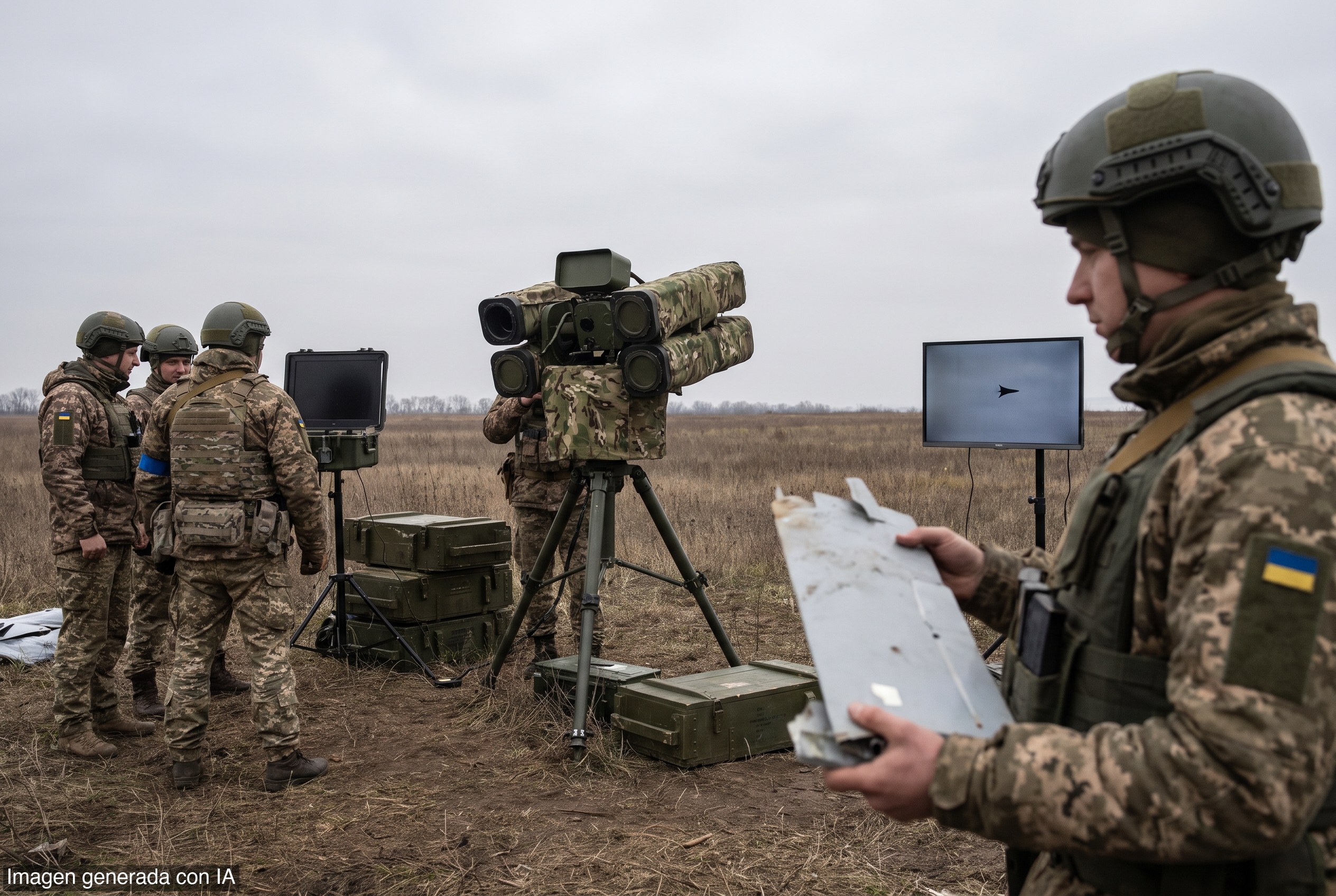
Ukraine has started developing more advanced jet interceptor drones, and Zelenskyy said this week that the country had already tested four types in combat. But those countermeasures are still early, and Ukrainian firms have announced only a small number of takedowns this summer.
The math is simple: when the attacker can buy time and scale faster than the defender can build cheap interceptors, every raid gets more expensive for the side on defense. For founders, the lesson is familiar — capacity beats novelty when the market turns into a volume war.
The bigger issue is sovereignty and supply chains. If foreign components keep reaching Russia despite sanctions, then Ukraine's air defenses are fighting not just drones, but a global procurement network that helps convert outside parts into battlefield pressure.


